
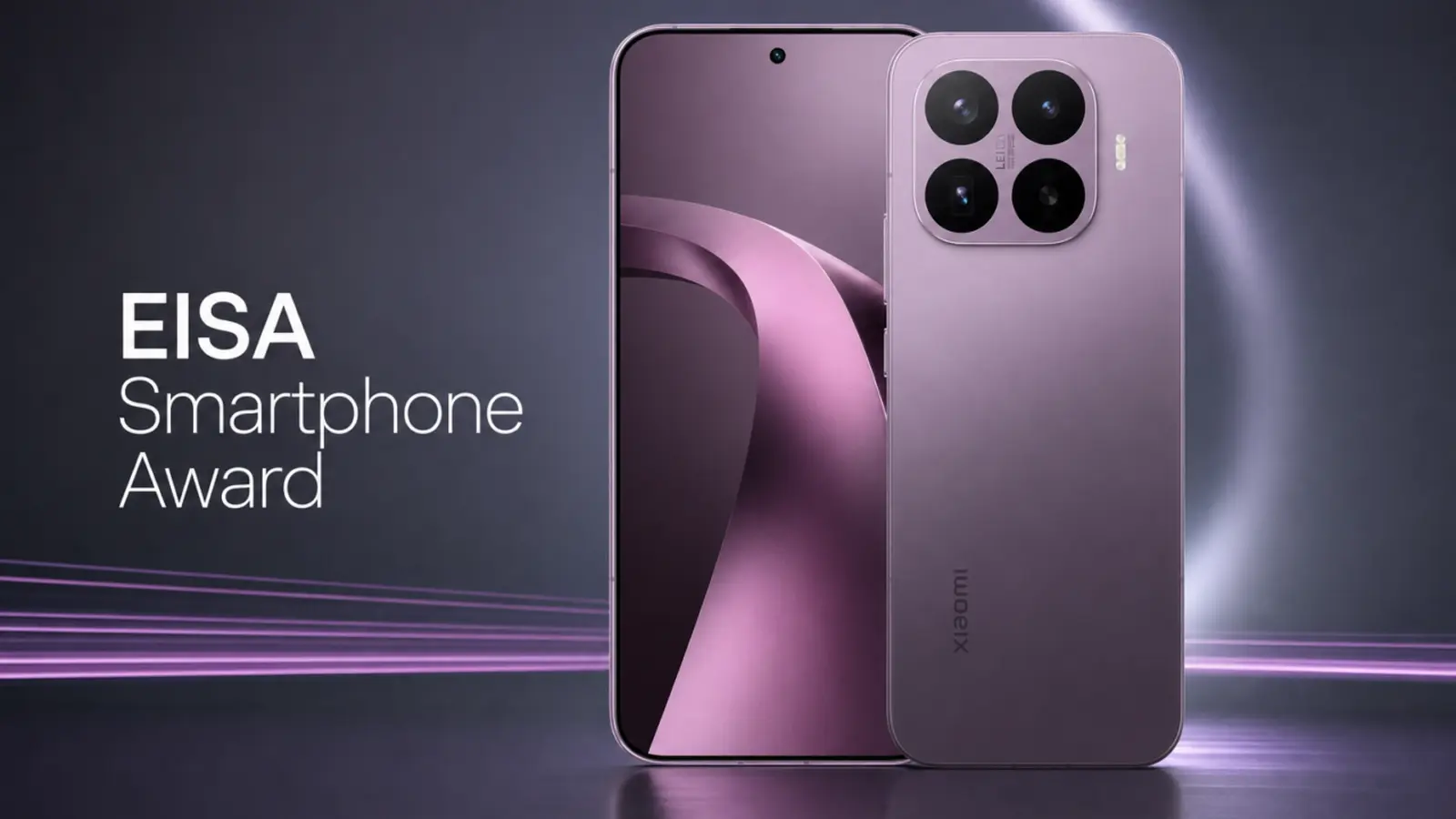
Rain on the glass. A photographer squints at a screen and scrolls through frames that look like they were shot on a full-size camera. That moment captures why this year’s EISA awards felt less like a ceremony and more like a snapshot of what smartphone makers are chasing.
The Expert Imaging and Sound Association gathered verdicts from member publications across the globe, each testing devices in real-world conditions and bringing at least five independent reviews to the ballot. The result: a lineup where imaging prowess, battery endurance, and AI smarts traded blows for top honors.
Xiaomi's 17T Pro walked away as the headline winner. Judges pointed to a camera system that punches well above its class, a vibrant display, a flagship chipset that keeps performance taut, and a battery life that doesn't shy away from long days. It’s the kind of phone that makes you rethink compromises: when you ask for speed, you get endurance; when you want crisp images, the hardware obliges.

Camera ambition, folding stamina, and AI that actually helps
Honor took the foldable crown with the Magic V6. What stood out was the phone's appetite for power. A class-leading battery paired with robust IP ratings and solid displays meant fewer concessions for users who want a tablet-like screen without trading durability or uptime.

Oppo's Find X9 Ultra grabbed the Photo and Video award by refusing to play it safe. Its camera approach is unapologetically ambitious, delivering telephoto reach and versatility that had judges comparing it to dedicated super-zoom cameras. For mobile photographers who demand range and creative freedom, the Find X9 Ultra is a compelling proposition.
Samsung's Galaxy S26 Ultra was singled out as the year's AI smartphone. The suite of features ranges from small conveniences to genuinely forward-looking tools: contextual suggestions that feel timely, and an AI-driven Photo Assist that edits scenes through voice or text prompts. Samsung also introduced the world's first built-in Privacy Display, plus machine-learning alerts that flag potential privacy issues. Together these features framed the S26 Ultra as a test bed for proactive, context-aware intelligence on phones.

Audio didn't go unnoticed either. Samsung finished the sweep with the Galaxy Buds4 Pro picking up the in-ear headphones award. Reviewers praised their balanced sound profile, Enhanced Adaptive ANC, and an AI-powered Adaptive Noise Control that adjusts to your surroundings. A safety-minded Siren Detect feature was highlighted for allowing critical alerts through noise cancellation, and call clarity ranked among the earbuds' strongest points.

So what do these choices tell us about the industry? For starters, imaging remains the marquee battleground. But batteries, durable foldable design, practical AI, and thoughtful audio features are closing the gap between niche advances and everyday usefulness. It’s no longer about one flashy headline spec. The devices honored this year earned attention by solving real user problems in ways that feel intentional and refined.
Expect next year’s ballots to push harder. Manufacturers know the checklist now: top-tier cameras, smarter AI that respects privacy, and hardware that endures. The race is on. And the photos will be better for it.

“I love exploring gadgets, apps, and trends that redefine how we connect, work, and play in a digital world.”

Discussion
Leave a Comment
Comments
No comments yet. Be the first.