
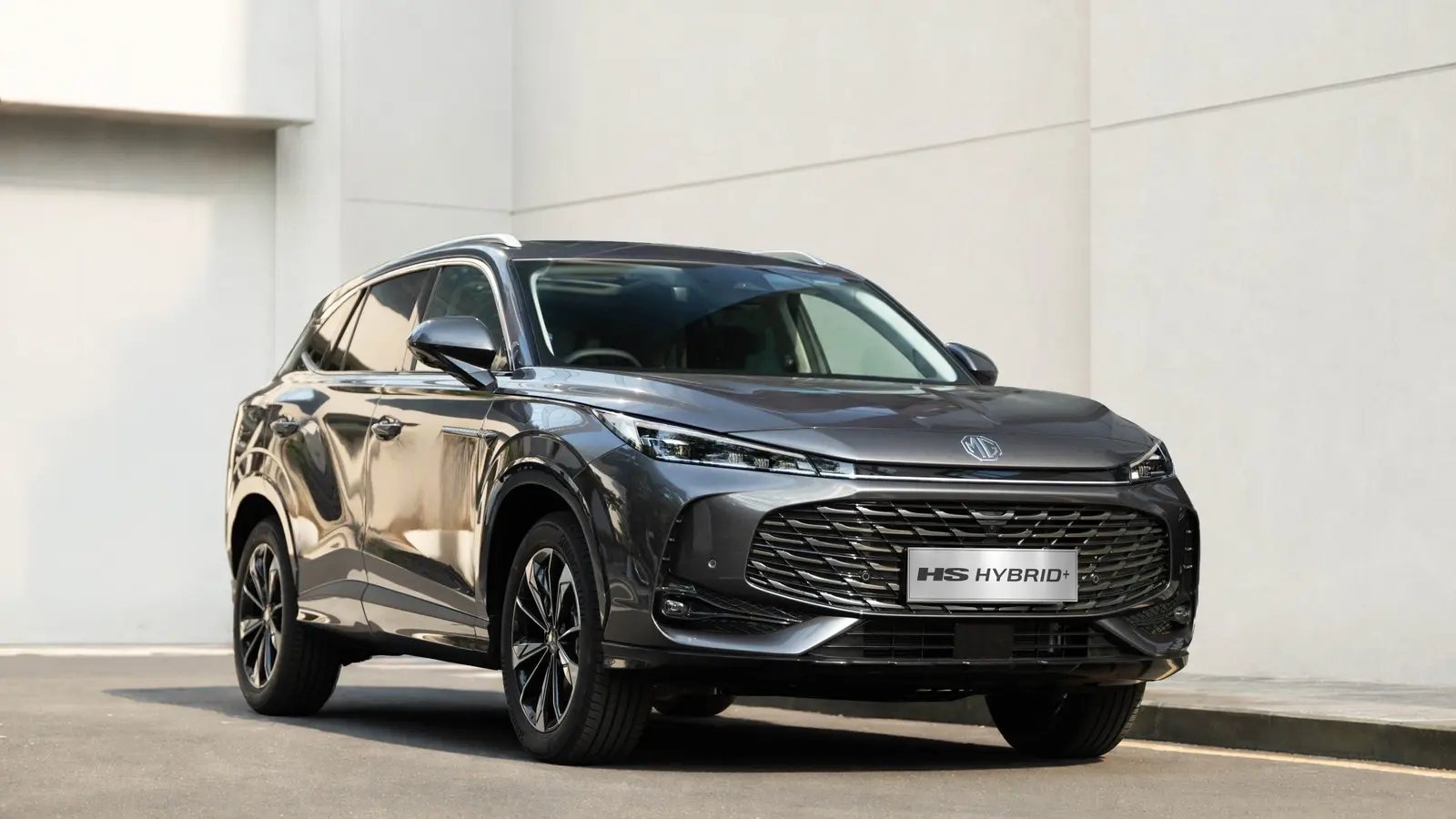
Brussels has told Andy Burnham's government to raise tariffs on Chinese-built electric vehicles to match the European Union's trade measures, according to the Financial Times, which cites two people familiar with the discussions. The message is blunt: align with the EU's duties or lose preferential treatment for UK-based supply chains under the bloc's made-in-Europe rules.
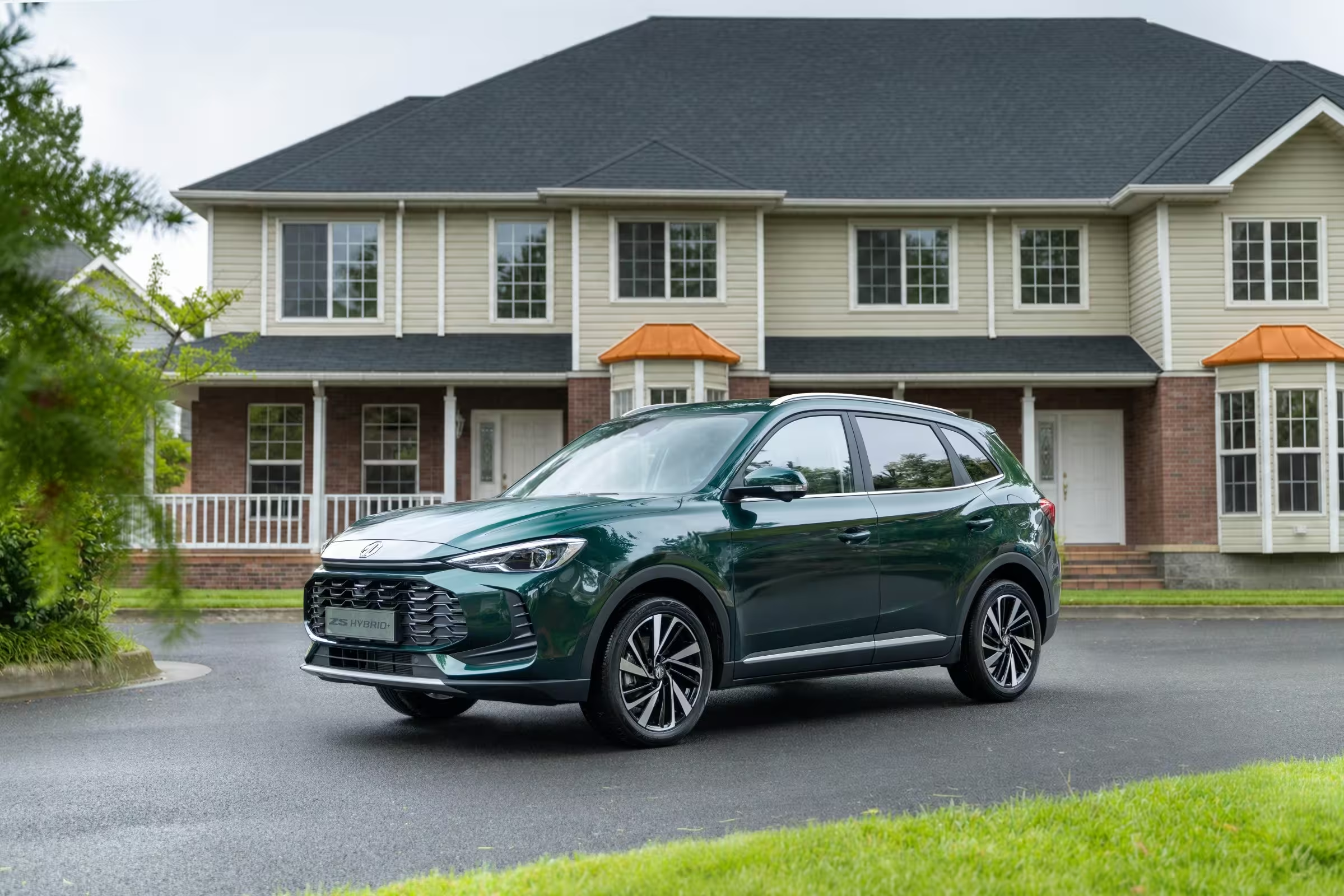
The immediate issue is a gap in protection: the EU imposed countervailing duties of up to 45 percent on Chinese-built EVs in 2024, on top of the standard 10 percent import duty, while the UK has not adopted equivalent measures. That divergence has helped Chinese brands win roughly 16 percent of the UK's new-car market, a share Brussels fears could be used to route vehicles into the single market without facing EU levies.
Customs union proposal divides Brussels and London
According to the Financial Times, European officials prefer a simple fix: customs union membership for the UK that would close the tariff gap and square Britain's rules with the EU's made-in-Europe framework. London, the FT reports, has spent weeks lobbying to have UK supply chains recognised as European without taking that step.
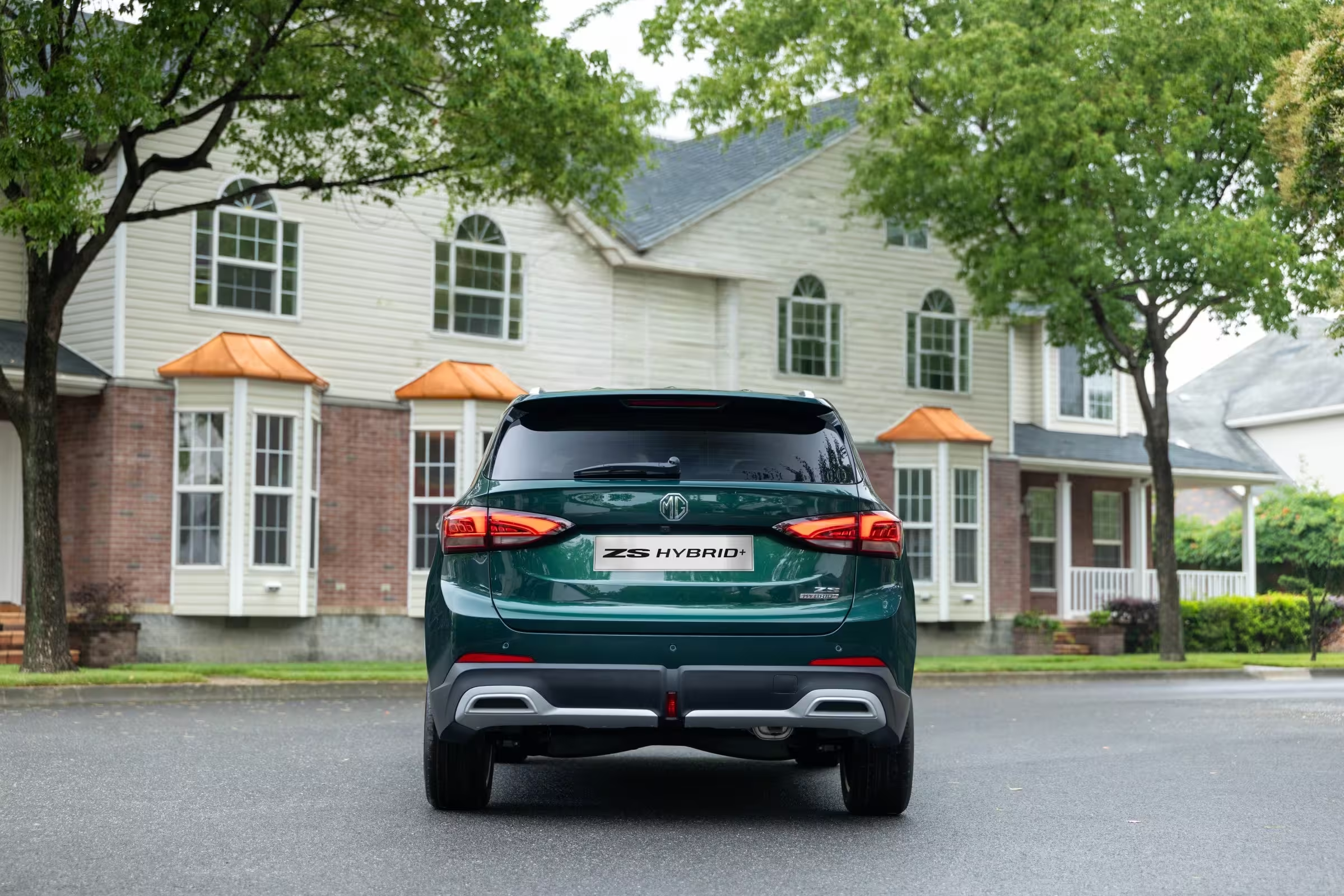
Brussels' concern is practical rather than abstract. Policymakers view the current arrangement not as an open market but as a potential unregulated entry point into the single market. If UK tariffs remain lower, Chinese-built EVs could be shipped to the UK and then exported into the EU without paying the bloc's countervailing duties.
The political trade-offs are stark. Matching the EU's measures would amount to adopting a tariff wall that protects continental producers but limits the availability of lower-cost Chinese models in UK showrooms. Keeping the market open preserves consumer choice and the flow of factory investment, but it risks estranging trading partners and prompting restrictions on UK-origin exports.
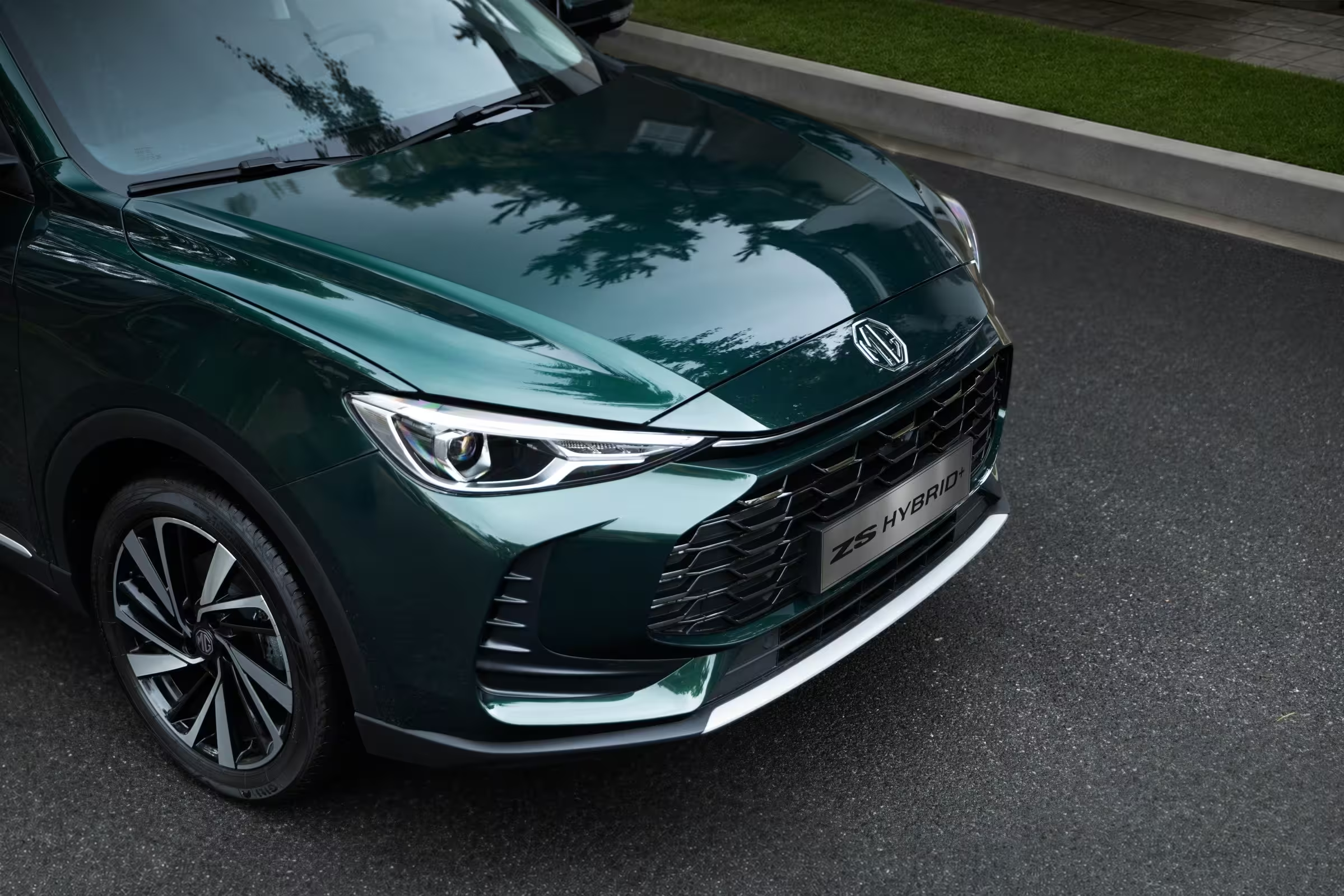
There is precedent for the UK shifting position when costs bite. Earlier in 2026 the United Kingdom doubled its steel tariff to 50 percent while halving quotas, mirroring the EU's response to a Chinese-driven global steel glut. The automotive sector has its own warning signs: Massimiliano Messina, Nissan's European boss, has warned that Britain risks becoming a corridor for Chinese vehicles into the EU, and reports say UK ministers are actively courting Chinese investment for car plants, including discussions about Chery building at Nissan's Sunderland site.
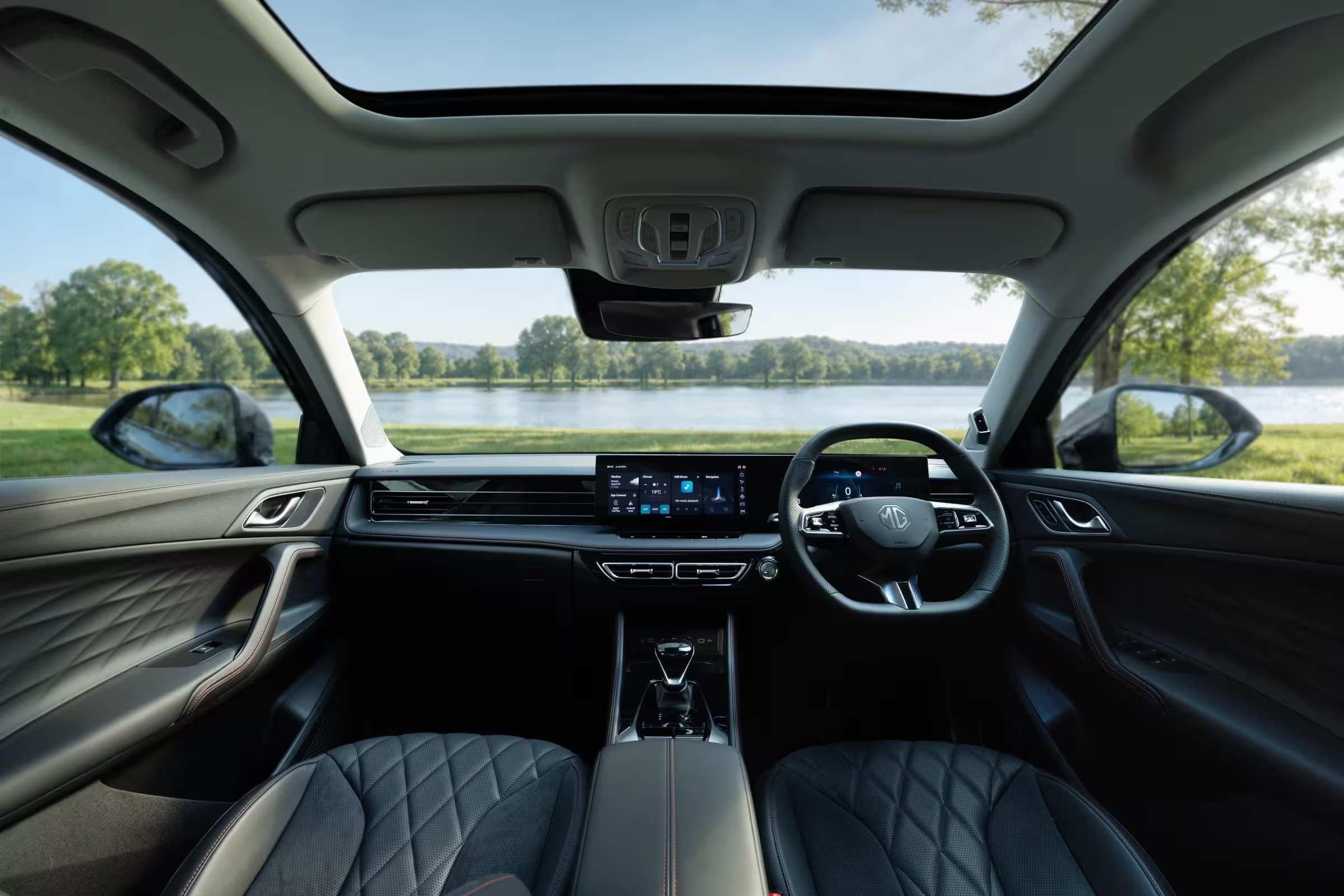
Those competing pressures leave London with a binary menu. It can prioritise short-term gains from affordable imports and inward investment, or it can align with Brussels and accept the trade defences that come with deeper economic coordination. The Financial Times reporting suggests Brussels is prepared to enforce its standard by treating non-aligned UK supply chains as outside the made-in-Europe umbrella.
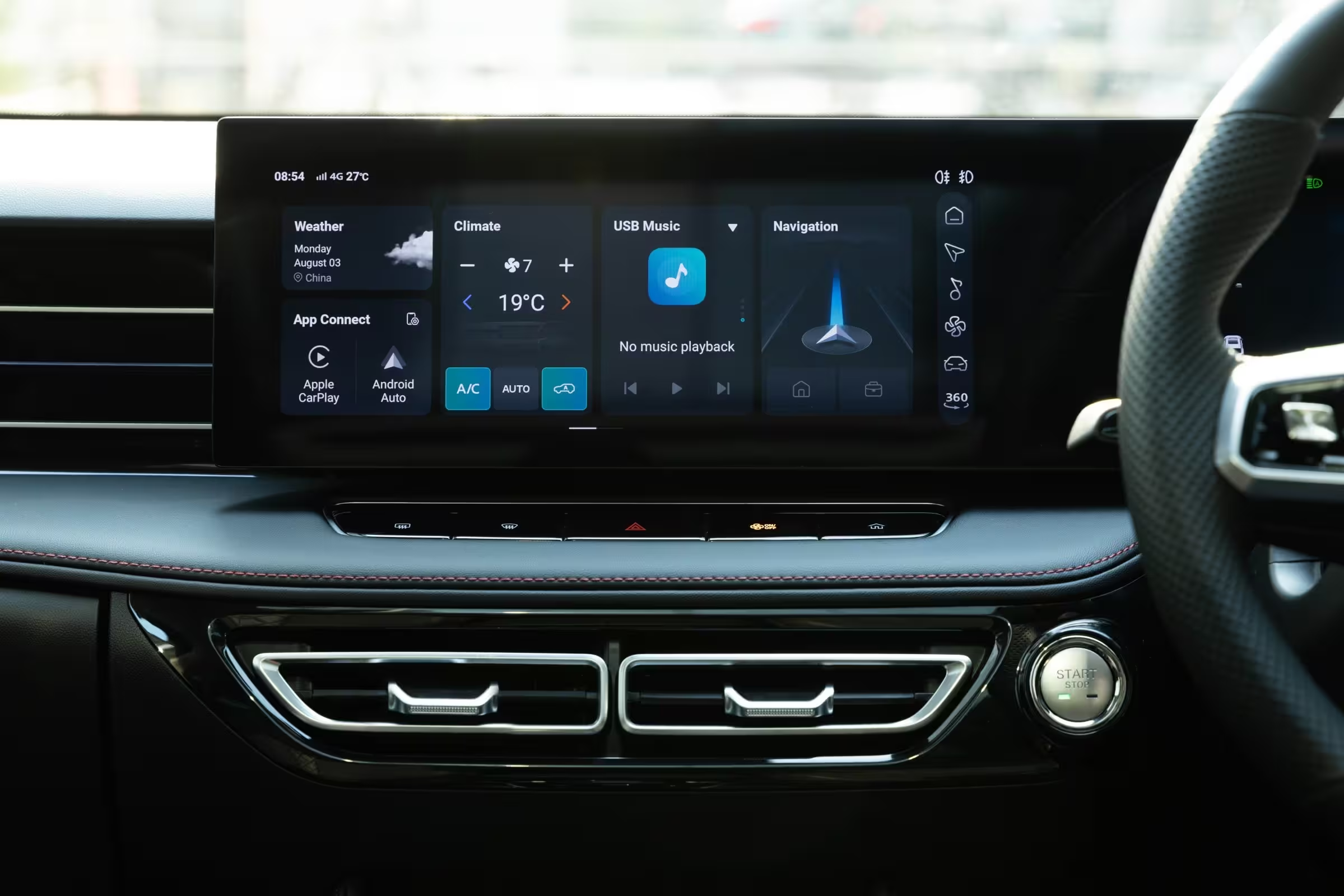
The EU's countervailing duties on Chinese-built electric vehicles, introduced in 2024 and reaching up to 45 percent, remain at the centre of the standoff, and Brussels' demand that the UK match those measures is what has driven the recent round of talks and lobbying.


“Cars are evolving faster than ever. I cover electric vehicles, smart mobility, and the future of transportation worldwide.”

Discussion
Leave a Comment
Comments
No comments yet. Be the first.