
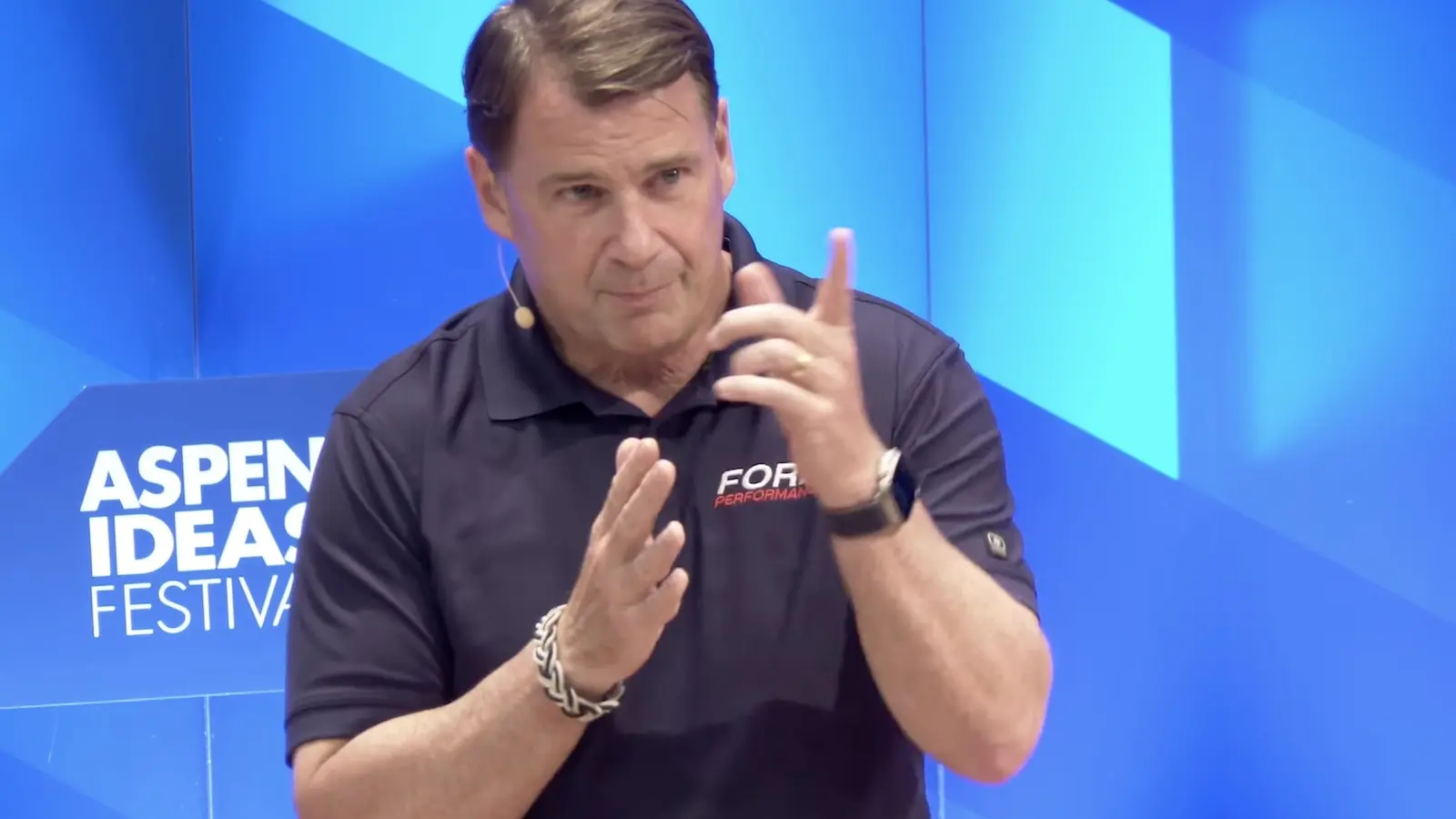
When Jim Farley returned from China he didn't bring back a trophy. He brought back a timetable. He saw factories humming at a speed most Western executives can only envy. Battery cells, software updates, autonomous sensors — all moving through development cycles that feel compressed by years.
So Farley told his team what many in Detroit have tried to avoid saying out loud: Chinese automakers are not just capable. They are coming. And not as niche imports. As mass-market contenders. He warned the industry to expect a serious presence in the United States within the next five to ten years, and he figures that by 2036 at the latest, Chinese brands will be knocking hard on American showrooms.
A different kind of arms race
Washington has already tried to slow that knock. There are steep tariffs on many EV imports from China, high duties on batteries and critical minerals, and tough levies on semiconductors tied to auto applications. In addition, federal regulators have cracked down on connectivity software from Chinese suppliers, citing security and privacy risks, a move that has already sidelined some players from the U.S. market.

Yet tariffs and rules are blunt instruments against an industry powered by software and scale. Innovation cycles matter more than borders. A rapid leap in battery chemistry, a cheaper pack architecture, or a breakthrough in driver assistance can reorder competitiveness faster than trade policy ever will. That is what worried Farley when he toured Chinese plants: the combination of technology, speed, and unit economics.
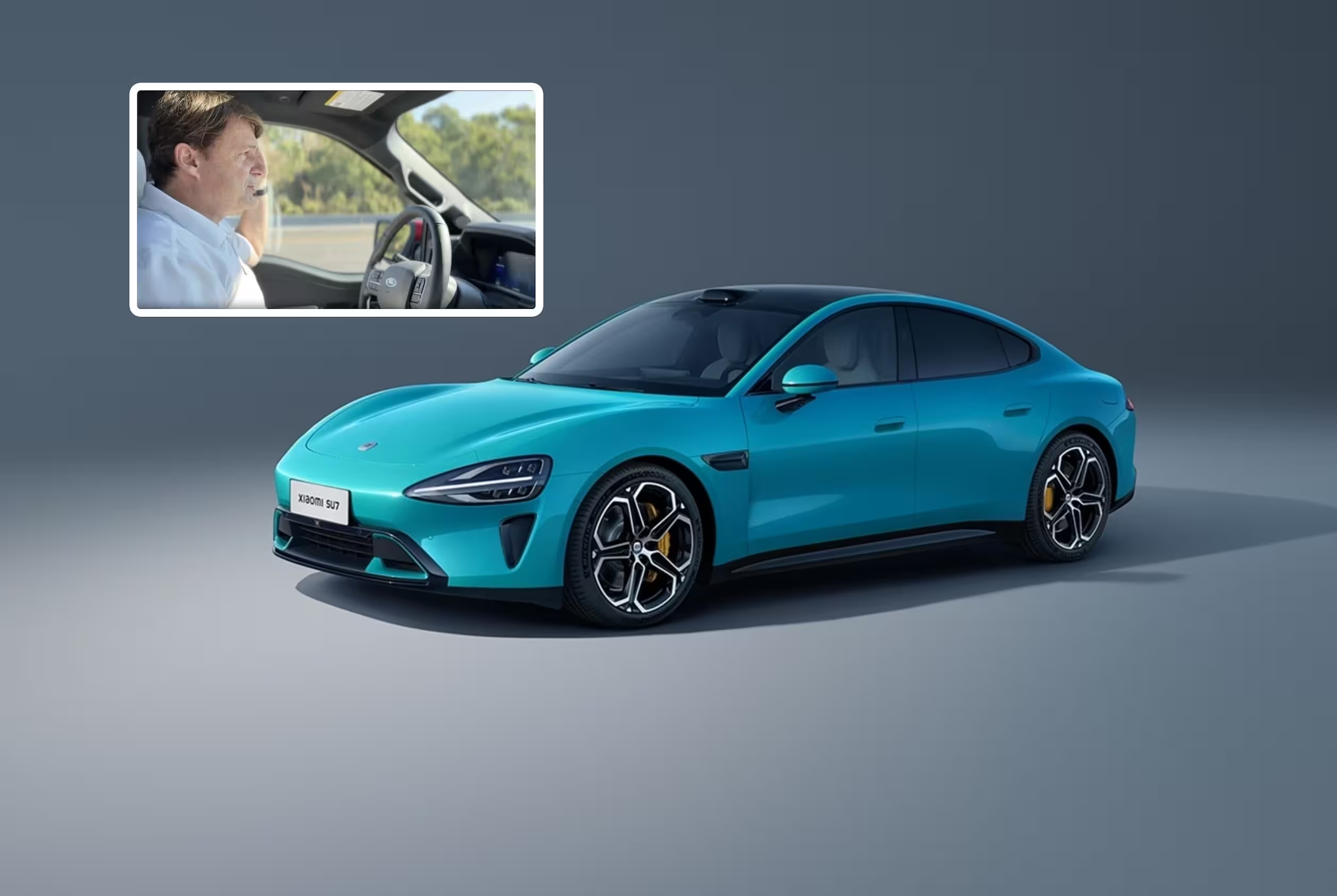
He also made it personal. A few years ago he imported a Xiaomi SU7 and drove it daily for a stretch, not as a publicity stunt but as reconnaissance. That kind of hands-on curiosity informs his current strategy at Ford. The message is simple: don't wait to react. Build strategy around being the challenger, not the incumbent resting on legacy strength.


Evidence of that shift is visible in Ford's recent product moves. A three-row electric SUV that had been road-testing was shelved. Production of the F-150 Lightning hit a snag after a supplier plant fire, and Ford has used both setbacks as a reason to rethink platforms and supply chains rather than patch old plans.
Underpinning the response is Ford's new Universal Electric Vehicle Platform. It's intended to be modular, scalable, and cost-efficient. The first model scheduled to roll off the line will be a midsize electric pickup whose starting price the company intends to make notably aggressive at about €27,500. That price point is strategic. It signals a direct appeal to buyers who might otherwise be curious about lower-cost imports.
But pricing alone won't win. The challenge is twofold: match technical competence while beating scale and margins. Bill Ford put it plainly recently: 'We have to go toe-to-toe with China. We can’t expect to keep them out forever, and we have to be able to beat them at their own game.' That rhetoric is matched by concrete moves to accelerate R&D, secure supply chains, and retool factories.

Can tariffs delay the arrival? Yes, temporarily. Will they prevent it? Probably not. Technology and consumer value cross borders in ways policy struggles to control. What matters now for legacy automakers is not how to block the front door, but how to sharpen the offering inside the door: better batteries, smarter software integration, nimble production, and a cost structure that makes lower retail prices feasible without bleeding margins.
Expect the next few years to feel like an arms race without explosions: rapid product announcements, surprise partnerships, and aggressive price moves. Consumers will benefit. Competition will intensify. And the auto industry will be forced to evolve faster than many anticipated.
Either way, Ford's warning is not a surrender. It's a wake-up call. The company is betting it can meet the challenge by reinventing itself from the inside while the world watches how quickly a foreign competitor can turn a knock on the door into a line at the showroom.

“I cover automotive innovation, electric vehicles, and the future of mobility — where technology meets sustainability.”

Discussion
Leave a Comment
Comments
No comments yet. Be the first.