
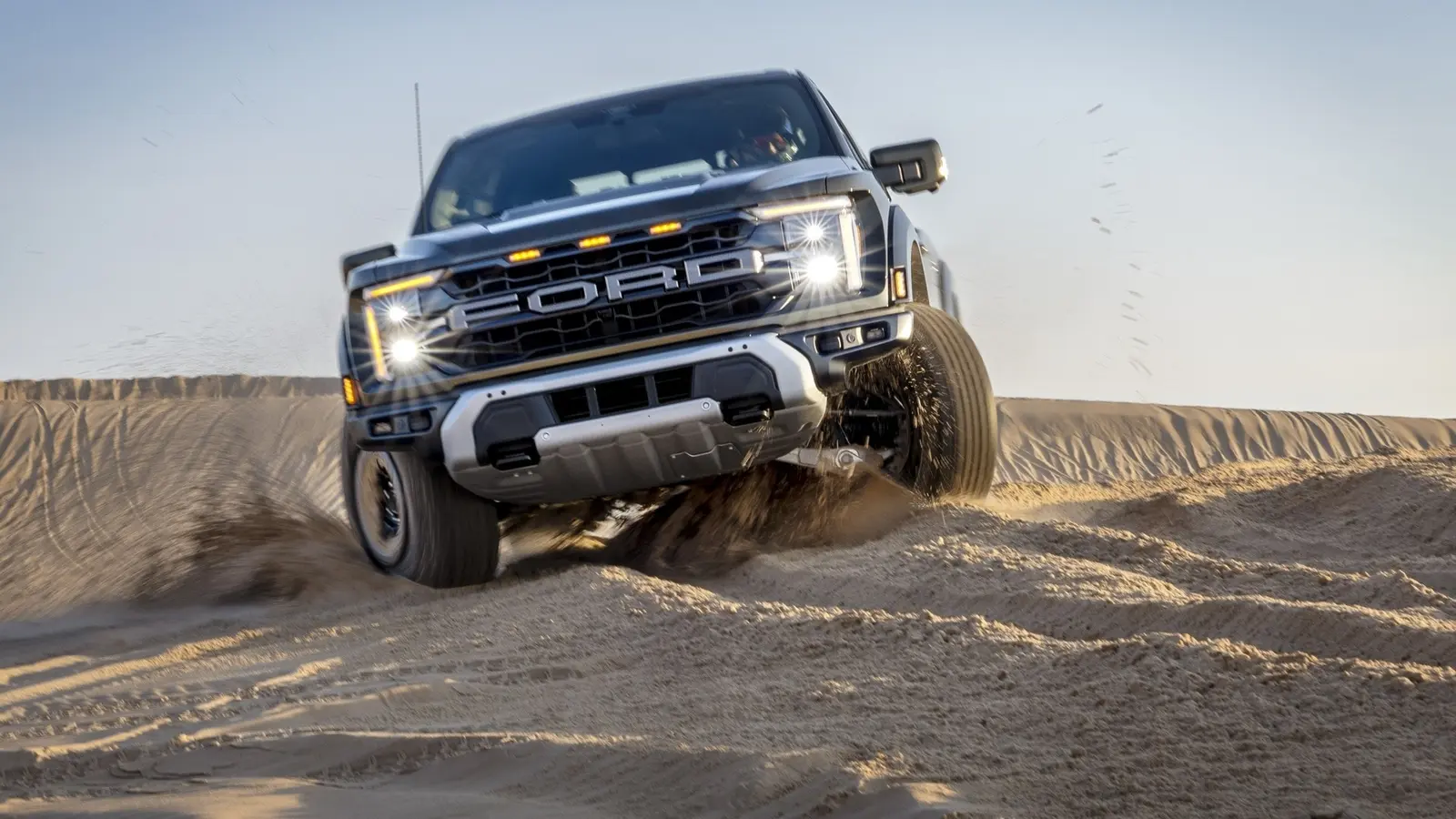
Close your eyes and picture a Raptor charging across a desert ridge: a spray of sand, suspension soaking up the bumps, and that guttural bark fading into a whoosh as the truck finds momentum. That visceral thrill—raw, mechanical, uncompromising—has been the Raptor's promise since 2010. But the way that promise gets delivered is quietly changing.
Electric assistance that sharpens the edge, not softens it
Can electrification make a truck feel meaner? The short answer: yes. Ford Racing is steering the Raptor family toward hybrid powertrains, driven by tightening emissions rules and the practical advantages of electric torque. Instant motor grunt helps in two very different settings: it snaps the truck forward out of rock piles and fills the torque gap at the bottom end before turbos spool up on high-speed desert runs. The result is smoother, faster, and more controllable performance—without surrendering the Raptor's character.

Leadership at Ford has been explicit about the strategy. Will Ford, who now heads Ford Racing, and CEO Jim Farley have both signaled that motorsport-derived hybrid systems will influence future production Raptors. That matters because racing programs accelerate learning: engineers take what works under extreme stress on track and adapt it for buyers who want reliability and drama in equal measure.
Think about Ford's return to top-level endurance competition with a V8 hypercar that uses hybrid assistance. That program isn't a marketing stunt. It's a testbed intended to keep big-displacement V8s relevant in markets where emissions rules would otherwise force downsizing. Technologies proven there could cascade into Raptors—meaning the next generation might reap hypercar-grade tricks without losing their heavyweight punch.
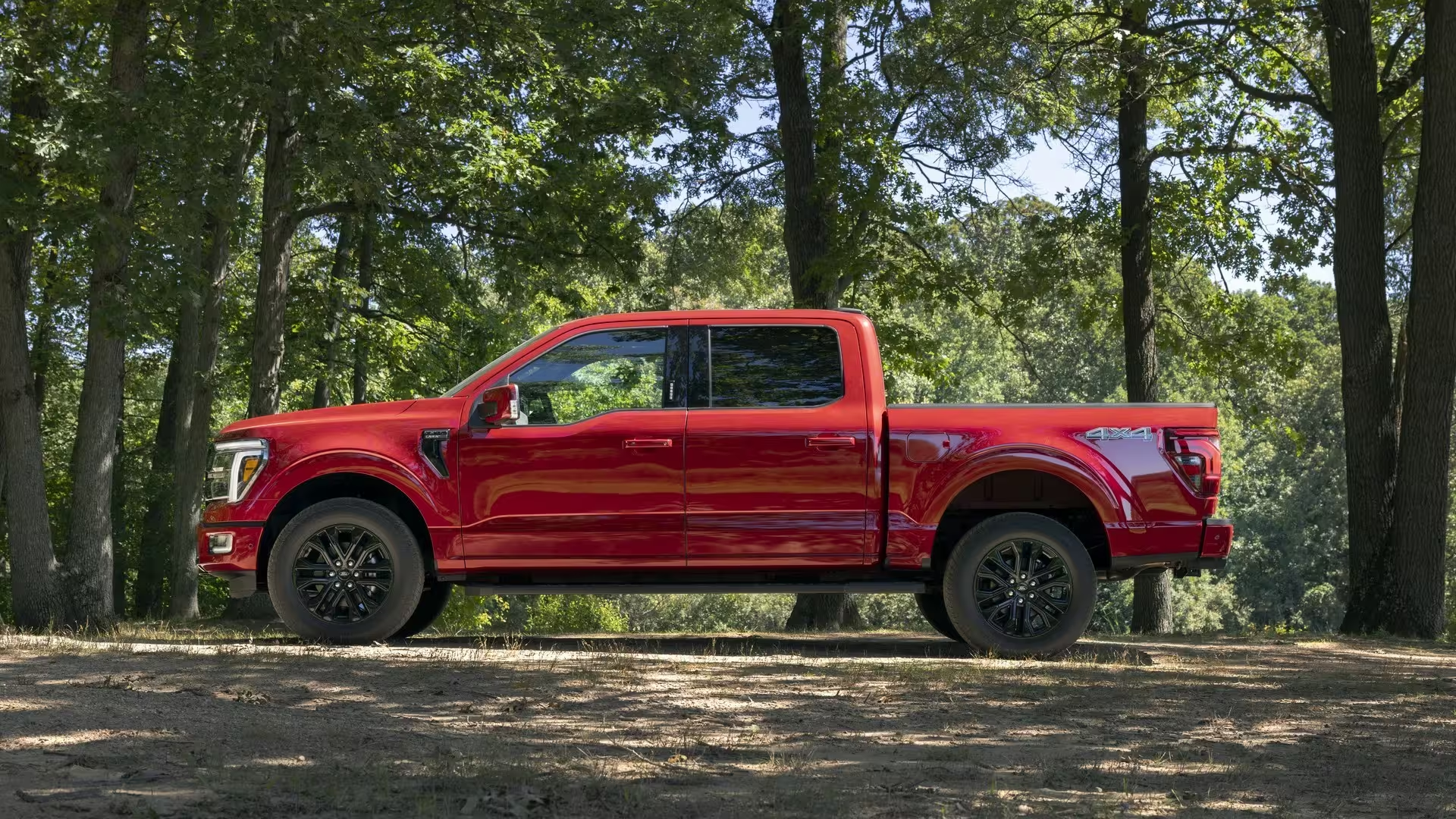
On the business side, electrification is not just compliance theater. In places like Australia the Ranger Raptor is a meaningful slice of sales, and regulatory pressure is real. Adding electric motors gives engineers tactical benefits: better low-end response, torque smoothing, and potential for higher overall output while trimming tailpipe emissions. Those are tangible wins for off-road performance and for meeting global regulatory targets.

The flagship Raptor R remains a benchmark: its 5.2-liter supercharged V8 puts out well over 700 horsepower and roughly 600 pound-feet of torque. Pair that combustion bravado with electric drive units and you get a package that could push peak power higher while cutting emissions when the truck is operating under typical conditions. In plain terms: more go, cleaner footprints.

There are design challenges, of course. Packaging batteries and motors into a truck built to suck in air, shed mud, and survive impacts demands clever engineering. That is precisely why Ford has folded road car development and racing expertise under a single umbrella. Motorsport engineers, aerodynamicists, and production teams working together mean hybrid systems can be tuned to feel authentic to the Raptor badge rather than an afterthought.
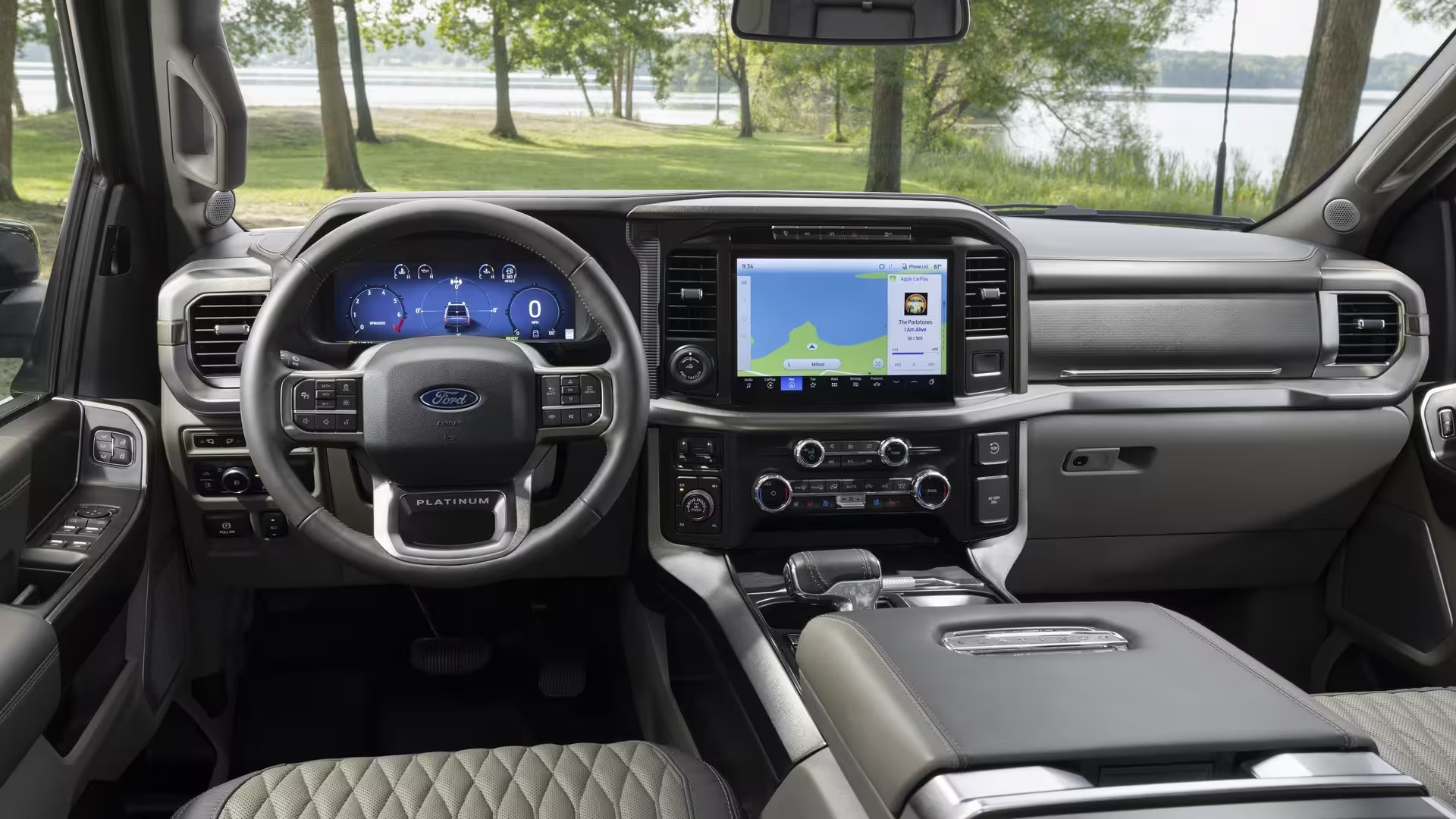
Purists may grumble. They always do. But when electrification is used to amplify the things enthusiasts love—instant torque, throttle precision, and extended performance under stress—it stops feeling like an intrusion and starts feeling like an upgrade. Expect next-gen Raptors to hit dunes harder and cleaner, with a soundtrack and capability that respect their roots while embracing what comes next.

“Cars are evolving faster than ever. I cover electric vehicles, smart mobility, and the future of transportation worldwide.”

Discussion
Leave a Comment
Comments (2)
Is this even true? Hybrid torque filling turbo lag sounds great but cramming batteries into a proper offroader without ruining balance seems hard. service costs??
Whoa, electric boost that makes a Raptor meaner? Didn't expect that. If they keep the V8 soul and add torque, sign me up... but curious about weight, packaging and real world range