
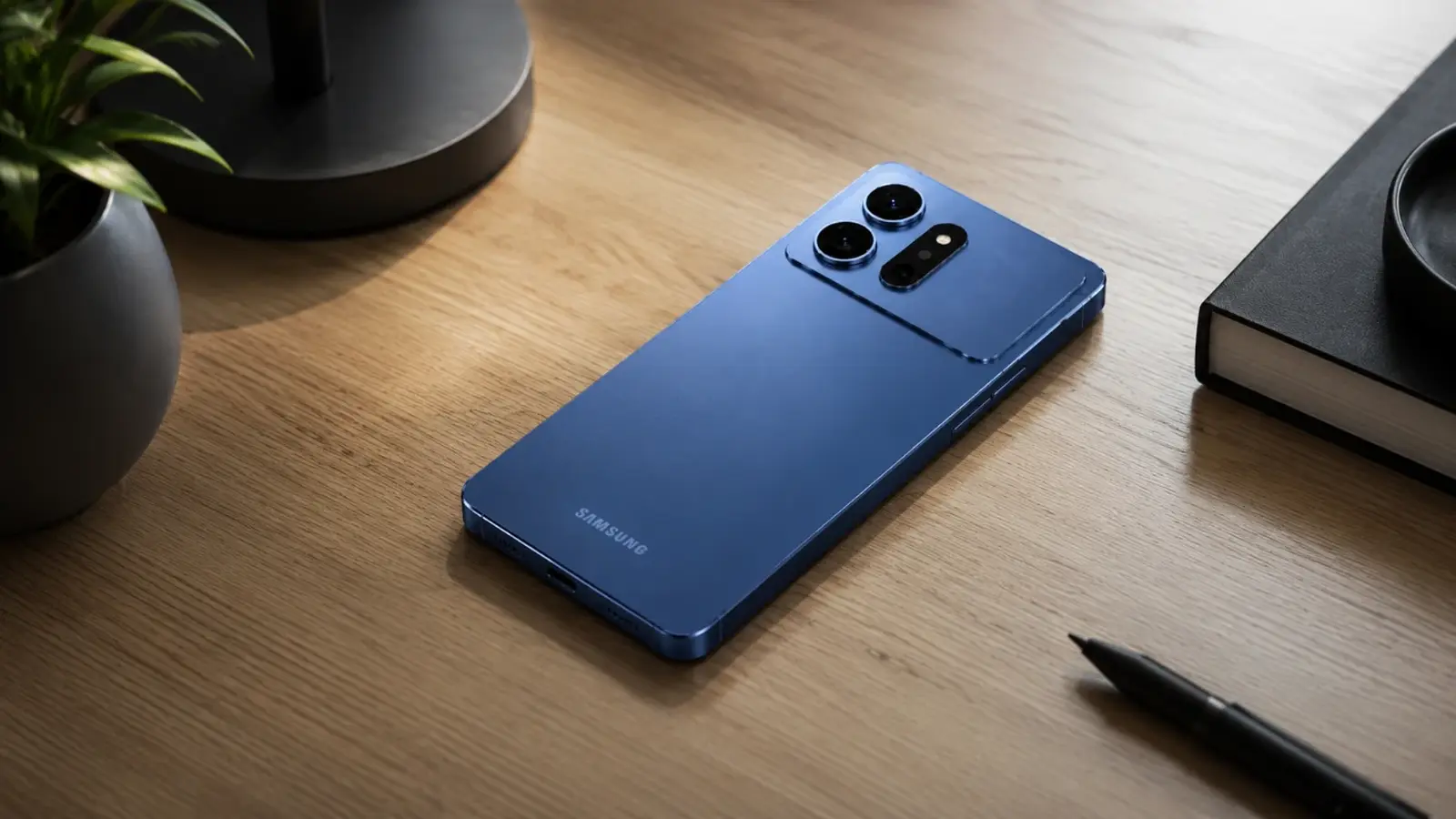
Imagine opening the camera on a flagship phone and finding one telephoto where there used to be two. It feels like a gamble, but the rumor mill says Samsung may be doing exactly that with the Galaxy S27 Ultra.
One lens, bigger sensor, clearer intent
A new tip posted on X claims the S27 Ultra will drop the quartet of rear modules down to three, combining the previous 3x and 5x telephotos into a single 4x optical unit built around a 1/1.9" type sensor. That’s a notable shift. The S26 Ultra split telephoto duties between a 1/2.52" 5x camera and a much smaller 1/3.94" 3x camera. If the rumor holds, the S27 Ultra’s new sensor would be substantially larger, with clear advantages for light gathering, dynamic range, and low-light performance.
Why does sensor size matter? Bigger photosites collect more photons. Translation: cleaner images when light is scarce, finer highlight and shadow detail, and a better foundation for advanced computational processing. A single, larger telephoto simplifies the optical path while giving the image pipeline more raw data to work with. That’s the kind of upgrade photographers notice even before pixel counts or marketing numbers come into play.

Does this mean losing reach? Strictly speaking, yes and no. The 4x sits between last year’s 3x and 5x optics, so long-range framing at 5x could rely more on software assisted zoom or multi-frame reconstruction. But with a larger sensor behind the lens, hybrid zoom at higher magnifications could actually look better than a small-sensor 5x did in difficult conditions. It’s a trade-off: a slight step back in pure optical reach for a potential leap forward in usable image quality across a wider range of scenarios.
There are other practical upsides to consolidating lenses. A single telephoto can reduce internal complexity, freeing space for improved stabilization systems, larger batteries, or thermal headroom. The latest leaked renders already hint at a refreshed exterior that’s sleeker than before. Fewer camera modules can also mean fewer compromises in autofocus tuning and color matching between lenses, giving a more consistent shooting experience.
None of this is confirmed yet. Leaks and tip-offs tend to evolve as launch day approaches, and Samsung has a track record of last-minute changes. What’s interesting is the design logic: choose a stronger, more versatile sensor over multiple specialized modules. It reads like a phone maker betting on software plus optics rather than on stacking more lenses.
Will users miss the dedicated 5x shooter? Some will. Enthusiast photographers love dedicated glass for predictability and reach. But if the S27 Ultra’s single 4x telephoto delivers noticeably cleaner crops and better low-light performance, many will welcome the compromise. Expect more details and concrete specs as Samsung’s unveiling draws near. Until then, the rumor leaves one clear question hanging: is consolidation the smarter path forward in mobile imaging, or a shortcut that sacrifices what mattered most?

“I love exploring gadgets, apps, and trends that redefine how we connect, work, and play in a digital world.”

Discussion
Leave a Comment
Comments (2)
Whoa a single 4x? kinda bold move. If it actually gives cleaner crops in low light then ok, but 5x lovers will be mad
Wait so they're ditching the 5x? sounds risky. Better low light but what about tele reach when traveling? hope they dont nerf it