
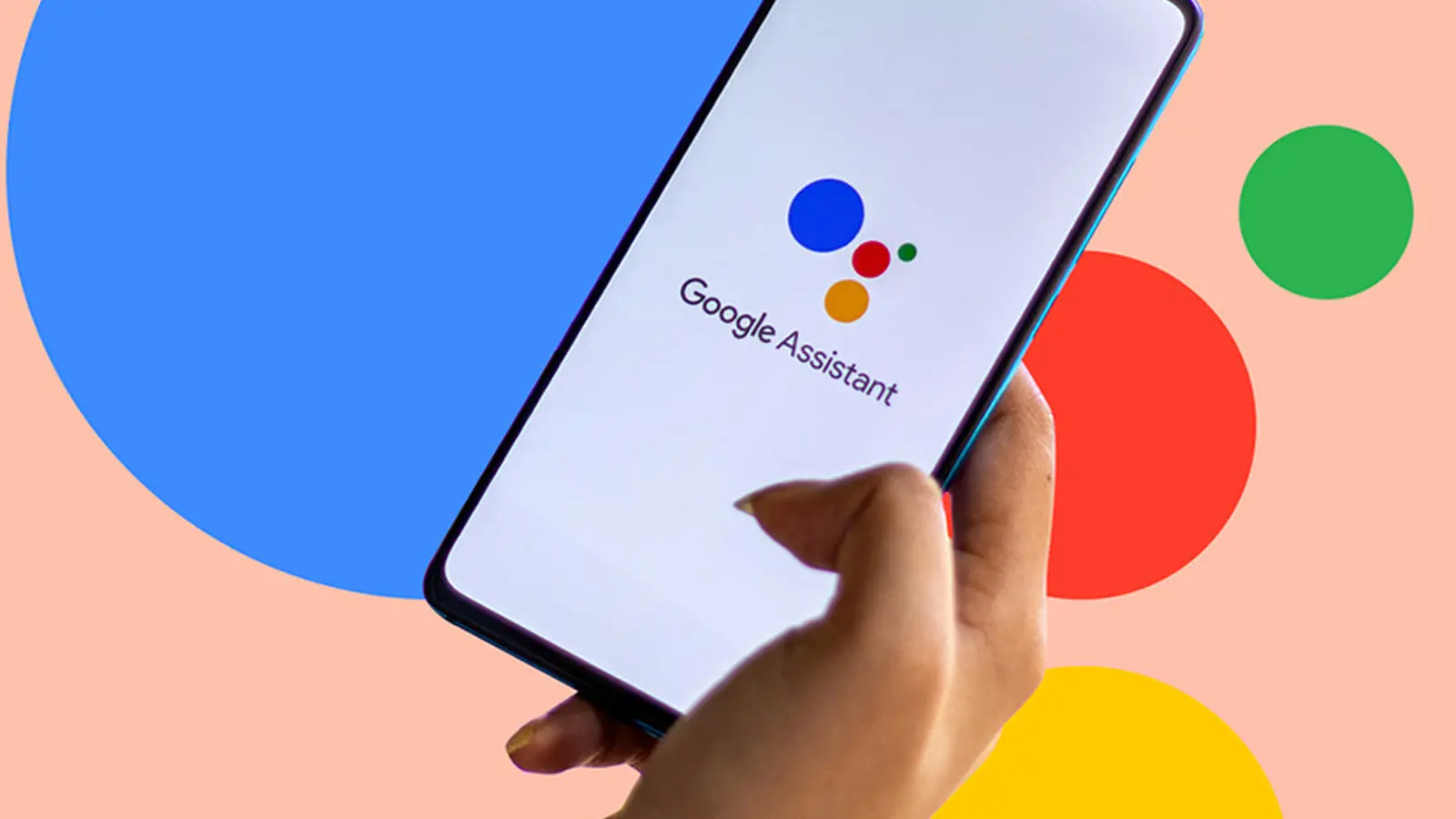
You say 'Hey Google' and sometimes no one answers. Starting September 4, 2026, Google will begin winding down Google Assistant as Gemini steps into the role most phones and wearables have played for years. The change won't be instantaneous; Google warns the cutover may take a few weeks to reach every device.
What’s turning off, and what stays running
Not every product will lose voice help. But a large slice of the ecosystem will see Assistant removed from its usual spot.
- Impacted: Android phones and tablets, Wear OS watches, headphones that relied on the phone's Assistant, and vehicles using Android Auto.
- Unaffected for now: cars running Android Automotive with Google built in, Google TV, and Google Home speakers and smart displays.
In short: if your car uses Android Auto and calls the Assistant on your phone, expect interruption. If the vehicle has Android Automotive built into the dash, the voice assistant will keep working as before.
Google frames this as a handover, not an eviction. The company says it will smooth the transition and expects Gemini to deliver a richer, more capable assistant experience. That sounds promising, but transitions are messy. Features move. Interfaces get rewritten. Familiar shortcuts sometimes disappear.
So what should users do? Check for updates. Keep your Google apps current. Watch for notifications about feature migration and, if a device looks unsupported after the switch, look for alternative assistants or OEM updates that reintroduce voice features. If you depend on voice in the car, verify whether your vehicle uses Android Automotive or Android Auto now, and plan accordingly.
This is a pivot from a single wake word to a broader AI layer. For many, Gemini will feel like an upgrade. For others it will be an inconvenient change that surfaces only when the coffee is cold and the commute is long. Either way, the voice assistant you knew is entering a new chapter.

“I love exploring gadgets, apps, and trends that redefine how we connect, work, and play in a digital world.”

Discussion
Leave a Comment
Comments
No comments yet. Be the first.