
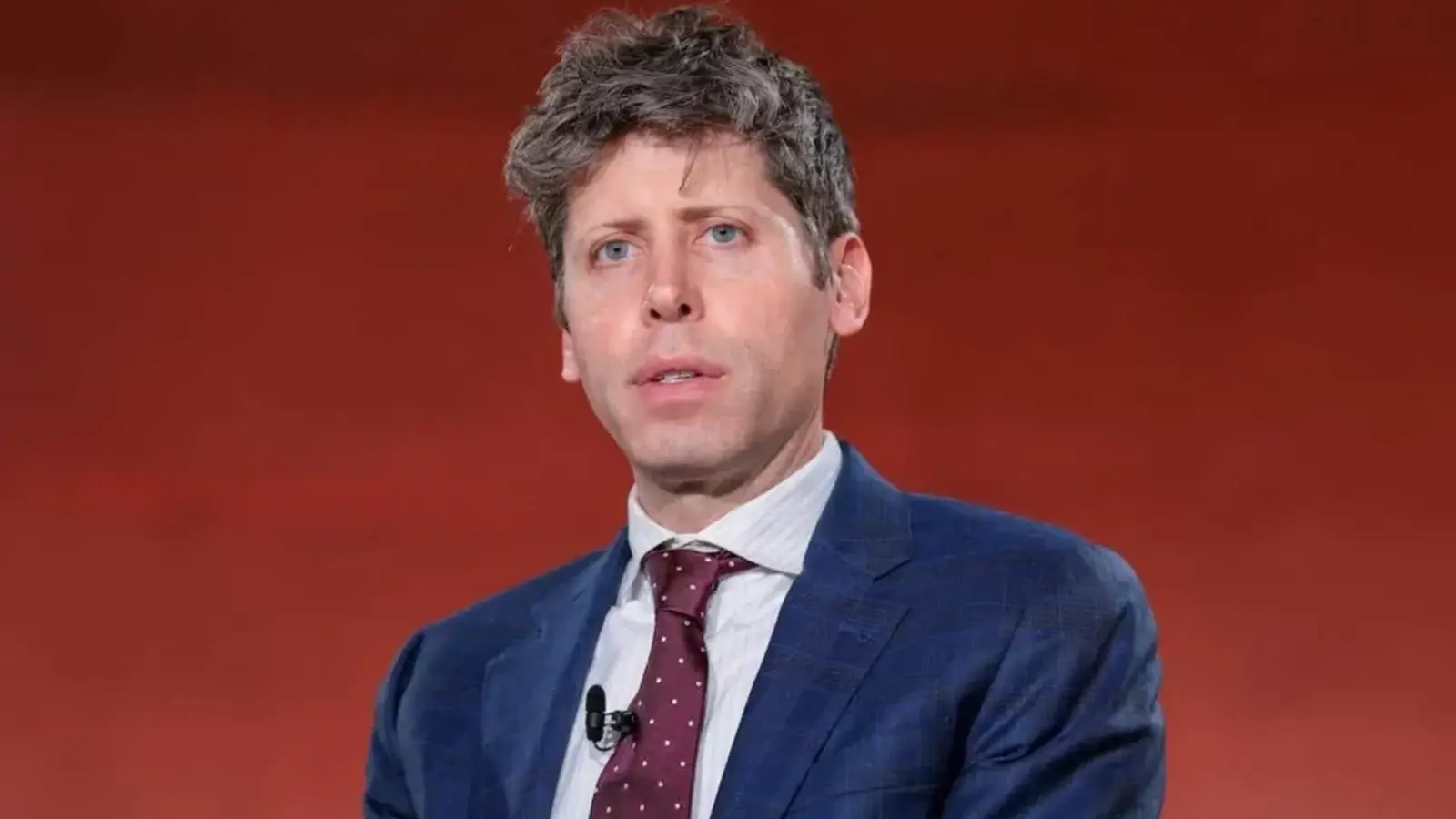
For a tense few minutes on Wednesday, a simple Google search told a startling story: Sam Altman, CEO of OpenAI, had died. Social feeds filled with screenshots. Questions spread faster than facts.
When a public record goes off the rails
Users on X and Reddit noticed the incorrect death notice in Google’s knowledge panel, the informational box that sits above many search results. Google later said it stopped showing that claim and that the change was not made manually by the company. Instead, the search giant pointed to a deeper vulnerability: when public sources are manipulated, those false signals can cascade into search results.
One obvious target was Wikipedia, the free encyclopedia that many search engines and readers rely on. The edit history for Altman’s page showed unusual activity on Wednesday — 22 edits that day after only five edits across several earlier days. At 09:47 UTC an edit appeared that falsely claimed Altman had been murdered and had died the same day. That specific line was corrected at 10:29 UTC, though additional vandalism followed, including claims about his education and even a name change. Volunteers ultimately reverted the page to a correct state.
The Wikimedia Foundation confirmed to Business Insider that the Wednesday edits were identified and rolled back within a window of one to 43 minutes. Volunteers flagged the vandalism, issued warnings, and placed the article under semi-protection. Under that restriction only accounts at least four days old with a minimum of 10 prior edits can make changes — a basic throttle to slow down mass edits from brand-new accounts.

Wikipedia is a frequent and visible source for Google’s knowledge panels, but it is not the only one. Google aggregates information from hundreds of public sources across the web. The company said users can report inaccurate information and that it will manually remove content that violates its policies when it becomes aware of it. Still, Google emphasized that malicious edits to public sources can affect what appears in search results.
So what’s the bigger picture? A few points are clear. First, volunteer editors and site protections often work quickly to undo obvious vandalism. Second, even brief exposure to false claims on major platforms can spread widely and be amplified by automated systems. And third, the system that delivers instant answers — knowledge panels and quick facts — depends on a mosaic of public data, each piece vulnerable in its own way.
Trust in online facts is partly technical and partly social. Machines pull the pieces together. Humans patrol the seams. When either side slips, the result can be confusing, and sometimes alarming. This episode was corrected. But it’s a reminder: in a wired world, a few malicious keystrokes can ripple into headlines before verification catches up.

“I cover emerging technologies, digital innovation, and the intersection of tech and everyday life. My goal is to make complex trends accessible and inspiring.”

Discussion
Leave a Comment
Comments (2)
Is this even verified? if Wikipedia can be weaponized like that, search engines need better checks or ppl will panic fast
wow that was wild, Google showing a fake death notice? scary how fast lies spread... volunteers did good work but yikes, trust a bit shaken