

There was a time when every AI image came stamped with a telltale corner mark. It was obvious, uncluttered, and frustrating for creators who wanted a clean result. Google has just made that frustration optional.
Users of Gemini and Flow will now see a new setting to remove the visible watermark from images. That control is rolling out more broadly, with Google Search's AI Mode expected to get the same toggle soon. But this change is not limited to still images.
Not just pictures: video and music join the party
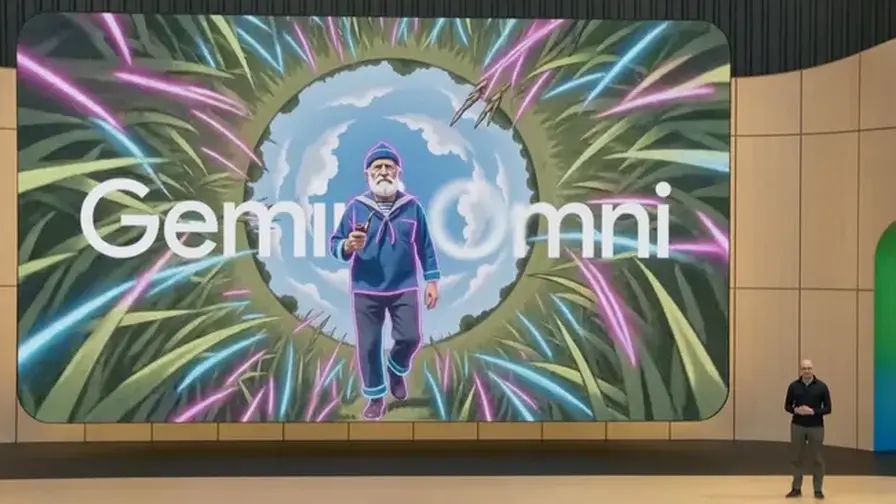
Creators using Gemini Omni can opt to remove visible watermarks from generated video. Musicians and audio producers using Google’s Lyria will see the same option for songs. The only caveat is regions where local laws require visible attribution. In those places, the watermark stays.
The reason this feels both practical and cautious comes down to provenance. Google is making the visible mark optional. It is not abandoning traceability. Invisible SynthID watermarks and C2PA metadata remain embedded. That means Gemini can still identify whether an asset was produced by AI when asked, and platforms can maintain chains of custody behind the scenes.

Why would Google do this now? Because there are two competing pressures. One is user experience. Clean visuals help designers, marketers, and hobbyists present polished work without the distraction of a corner stamp. The other is accountability. Regulators, publishers, and fact checkers need verifiable signals about origin. Google appears to be trying to satisfy both.
What this means in practice is straightforward. If you prioritize aesthetics, turn off the visible watermark and carry on. If provenance matters to you or your audience, keep it on or rely on the invisible markers that remain active. And if you live somewhere that legally demands visible attribution, you will not have a choice.
Expect small but meaningful ripple effects. Stock-style platforms and social apps may adjust their moderation and labeling workflows. Content creators should also be mindful: a clean image can be more persuasive, but it is still traceable through embedded metadata if someone looks.
This is an incremental but notable shift. Google is loosening the visible label while keeping the technical scaffolding intact. For everyday users, that feels like more control. For observers of AI policy and media trust, it reads like a compromise worth watching.

“I cover emerging technologies, digital innovation, and the intersection of tech and everyday life. My goal is to make complex trends accessible and inspiring.”

Discussion
Leave a Comment
Comments
No comments yet. Be the first.