
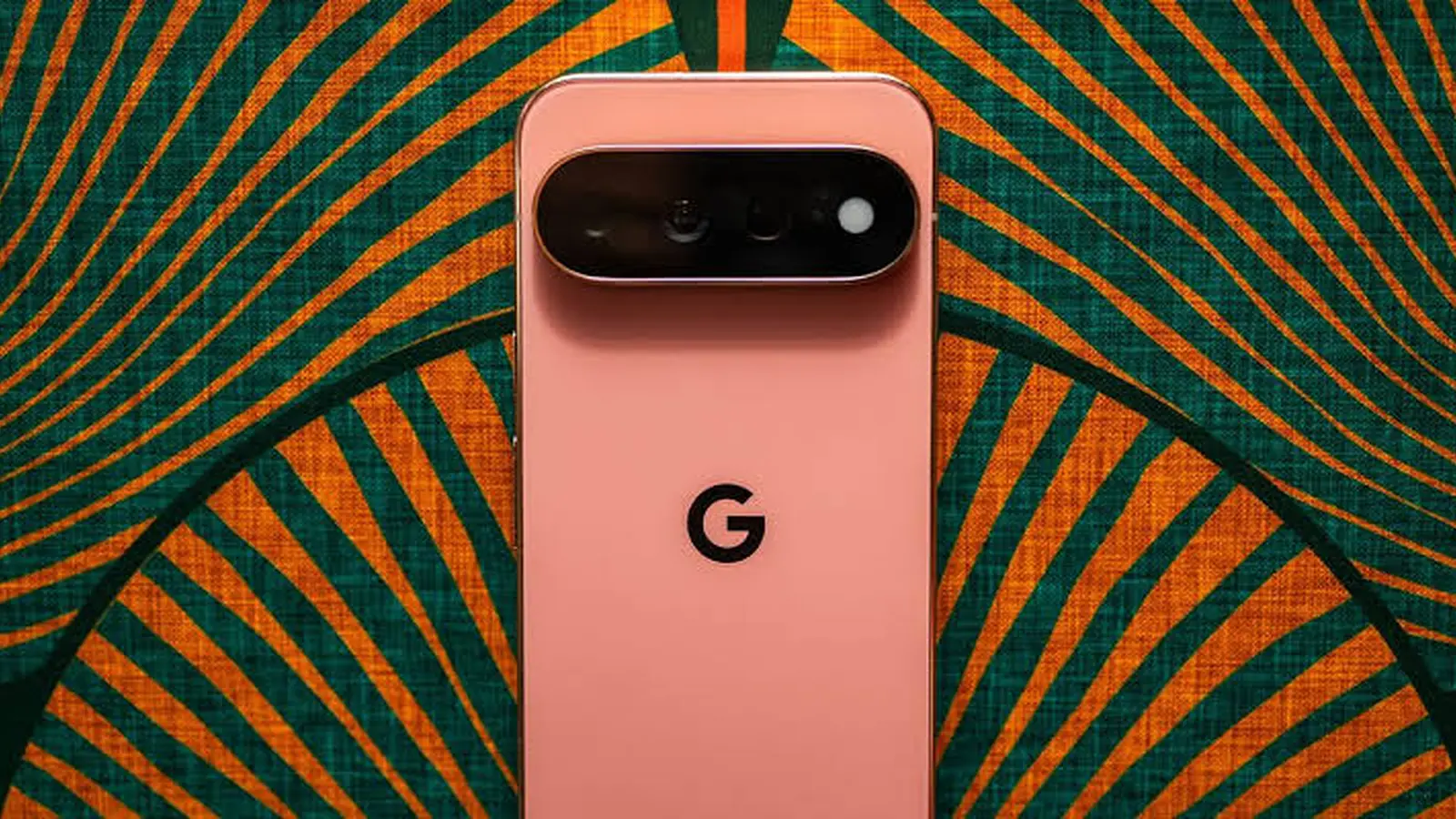
Picture a phone assembly line humming along in Shenzhen, then slowly packing up. You won't see headlines about it in Beijing, but the rumor mill in the industry is loud: Google plans to stop making Pixel hardware in China by 2027. That includes phones, smartwatches and earbuds.
It's not a sudden panic. For several years Google has quietly expanded factories in Vietnam and India. This year, the company says it proved it can build Pixel phones in Vietnam, and that confidence matters. Phones are fiddly. They require tighter tolerances and more complex final assembly than a watch or a pair of earbuds. If Vietnam can handle phones, it can handle everything else.
Supply-chain strategy, not theater
Why move? Think of it as insurance. Google doesn't sell phones in China, so shifting production carries fewer commercial risks than it would for other brands. Samsung already took a similar route. For Google, diversifying away from a single manufacturing hub reduces geopolitical exposure and gives more control over costs and timelines.
The company is reportedly aiming to ship 8 to 10 percent more Pixel phones this year versus last year's 12 million units. To avoid getting squeezed on memory prices, Google has been grouping its memory chip purchases with the needs of its cloud business when talking to Samsung, SK Hynix and Micron. In plain terms: bundle more demand, get better leverage.

There are market implications too. An anonymous executive at a supplier that works with Google and Xiaomi suggested Google could carve into Apple's share in the United States, Japan and Europe if iPhone pricing rises. Could Google meaningfully nudge customers away from iPhones? Maybe. Hardware is only one piece of the puzzle, but manufacturing moves like this make the product roadmap more predictable.
Consider the bigger picture. This is part of a broader global reshuffle where tech companies balance cost, resilience and politics. Factories in Vietnam and India will take time to scale. Parts still flow from the same handful of suppliers. But the narrative has shifted. Supply-chain resilience is now a competitive feature.
If Google follows through, expect Pixel hardware to be largely built outside China by 2027, and for supply-chain strategy to become as visible a part of product planning as cameras and software.


“I cover emerging technologies, digital innovation, and the intersection of tech and everyday life. My goal is to make complex trends accessible and inspiring.”

Discussion
Leave a Comment
Comments
No comments yet. Be the first.