
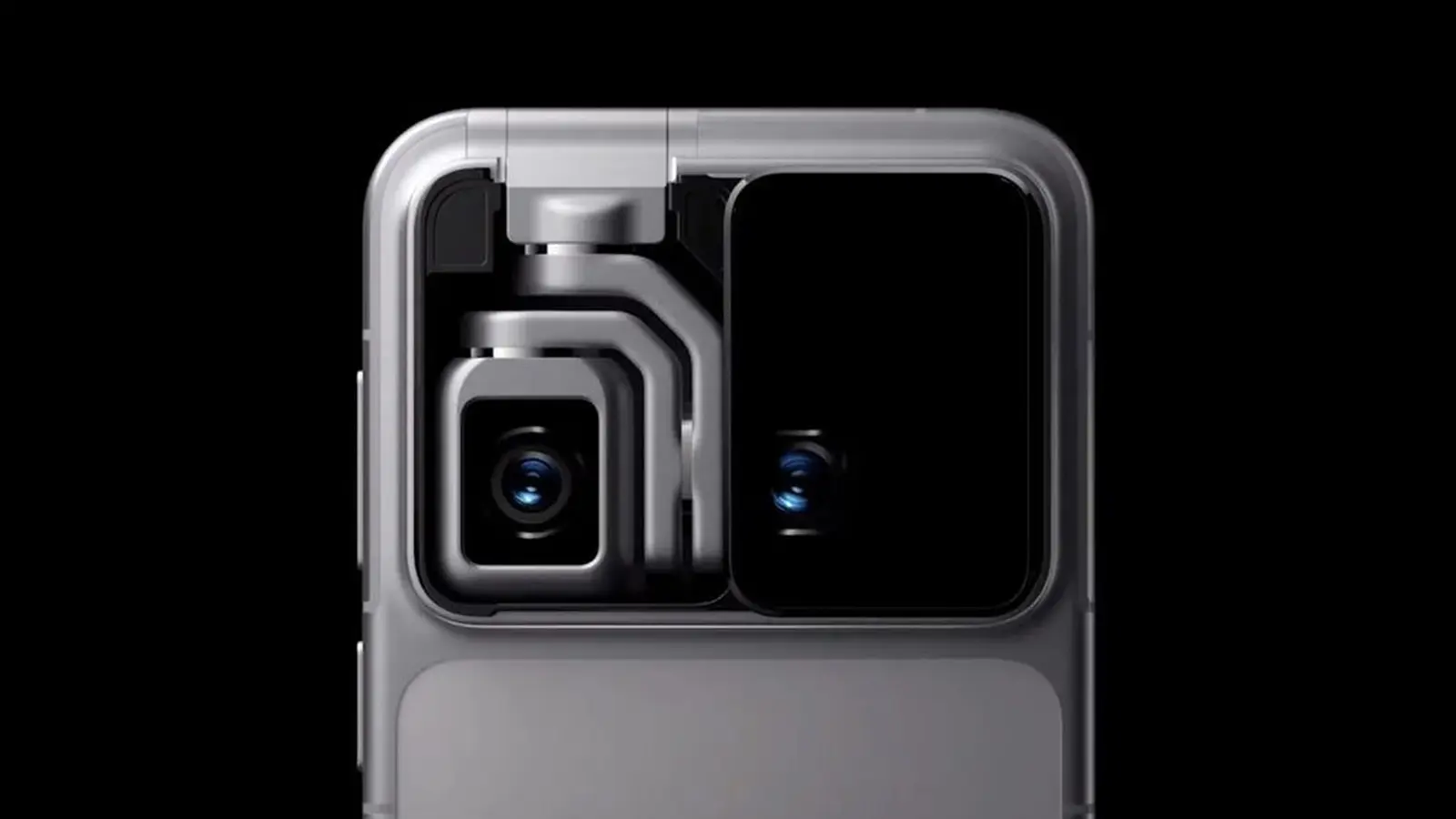
There was a small moment in Shanghai when a phone stopped feeling like a phone and started behaving like a tiny camera crew. Flashbulbs, red carpet chatter, and a quiet whir of motors: the Honor Robot Phone stole a scene at the Shanghai International Film Festival by turning handheld shoots into something almost cinematic.
When a smartphone borrows from cinema
Elle Men, SIFF’s fashion and lifestyle partner, handed the device to photographers to capture jury portraits. The results weren’t just steadier frames. They looked different in a way you notice but cannot always name. Less crop. More fidelity. Natural motion. Why? Because this phone relies on a physical gimbal rather than leaning on aggressive digital stabilization that crops and squeezes detail out of the image.
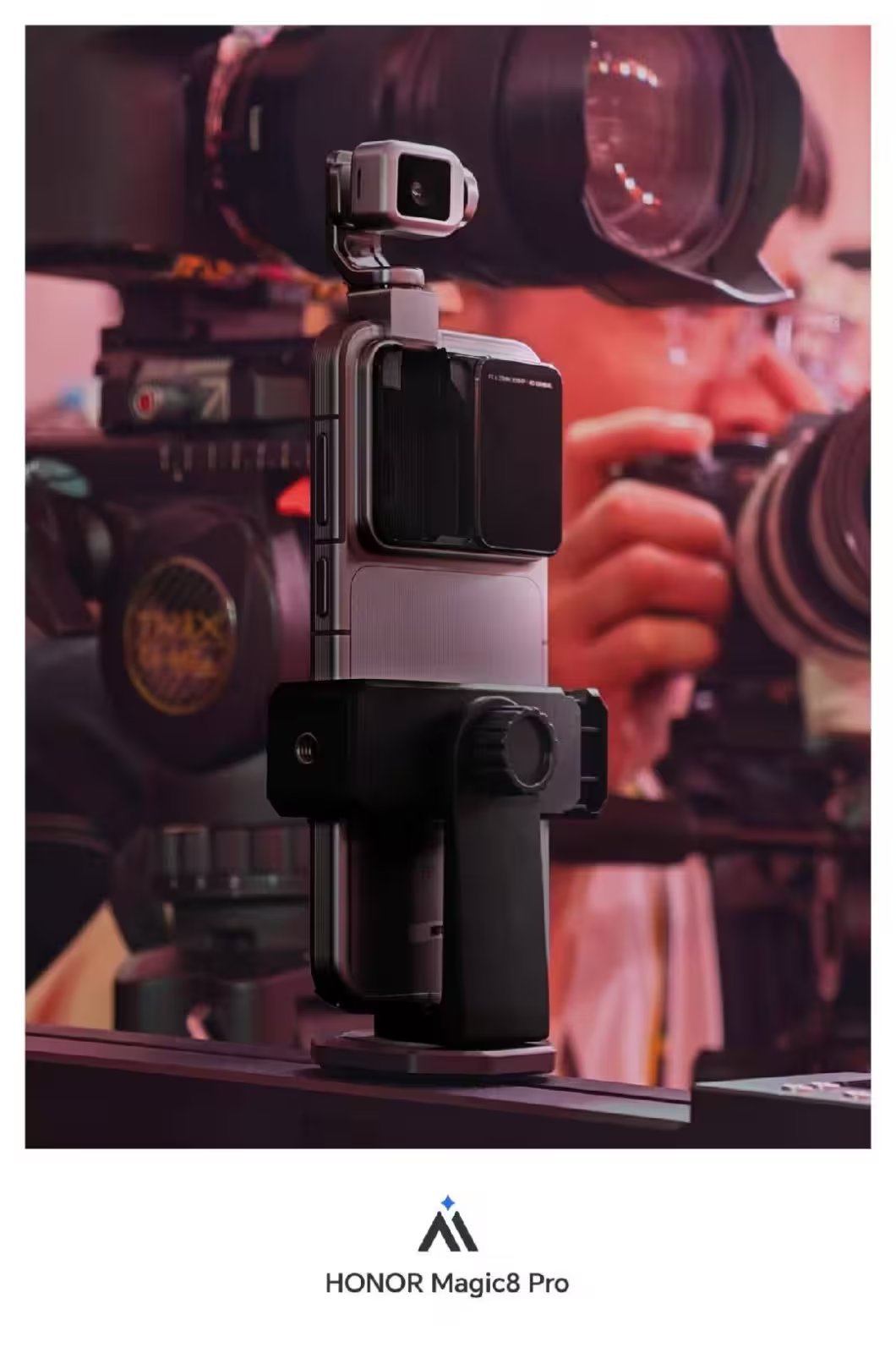 |  |
Digital stabilization is convenient. It is not without cost. Crop in. Lose pixels. Lose clarity. The gimbal’s mechanical stabilization keeps the sensor aligned with the subject, preserving the original field of view and, crucially, the image quality. Short sentences. Long ones. Both work. The point is simple: fewer software tricks, more honest footage.
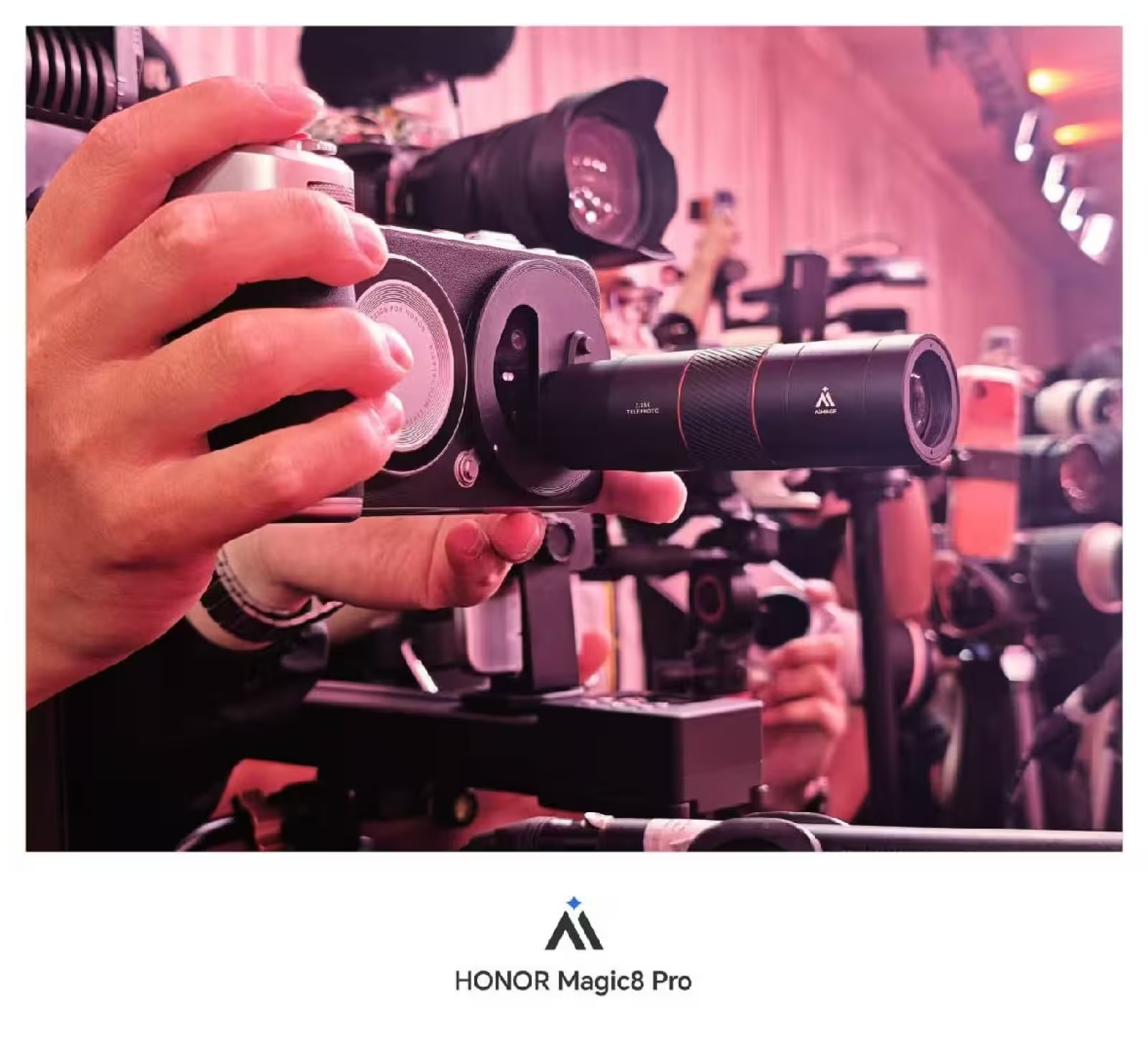
Honor had already signaled bigger ambitions at Cannes China Night, announcing a Q3 launch window. At SIFF the phone felt like a proof point. It is the first device born from Honor’s partnership with ARRI, the name every cinematographer respects. That collaboration explains why the Robot Phone seems less like a gadget and more like a tool borrowed from film sets.
 |  |
Other Honor gear filled the festival too. Some stills were taken with the Magic8 Pro. There was a red robot in attendance, too—the same one that recently outran humans in a half marathon featuring mixed competitors. The festival felt like an ecosystem: phones, robots, people, and a blend of old-school craft with modern automation.
The gimbal itself is compact but thoughtfully engineered. Titanium alloy construction. High-performance motors. It retracts into the chassis for protection and extends when the shot demands it. Add AI-driven object tracking, and you have a small device that keeps its subject in frame while the operator moves. It feels reactive, intuitive, and occasionally uncanny in its smoothness.
 |  |
Does this make the Robot Phone the future of mobile filmmaking? Not overnight. But it changes a familiar calculus. For creators who value frame integrity and motion that reads as natural, a mechanical stabilizer is a meaningful difference. For casual users, it’s an impressive party trick. For directors and cinematographers scouting tools, it is an intriguing mashup of mobile convenience and cinematic intent.
At SIFF the phone wasn’t a prop. It was a collaborator. You could see it in the portraits: steadier eyes, cleaner backgrounds, a sense of motion that didn’t fight the frame. Small tech choices can shift how a story looks. Honor appears intent on nudging that shift, one gimbal-assisted shot at a time.

“I cover emerging technologies, digital innovation, and the intersection of tech and everyday life. My goal is to make complex trends accessible and inspiring.”

Discussion
Leave a Comment
Comments (2)
Looks neat, but is the mechanical gimbal worth added size? and how long before that retracting mech gets loose from constant use? sounds like a cool party trick if durability fails.
wait, a phone that actually behaves like a tiny camera crew? mind blown. shots feel filmic, not just filtered pics. curious about battery life tho…