
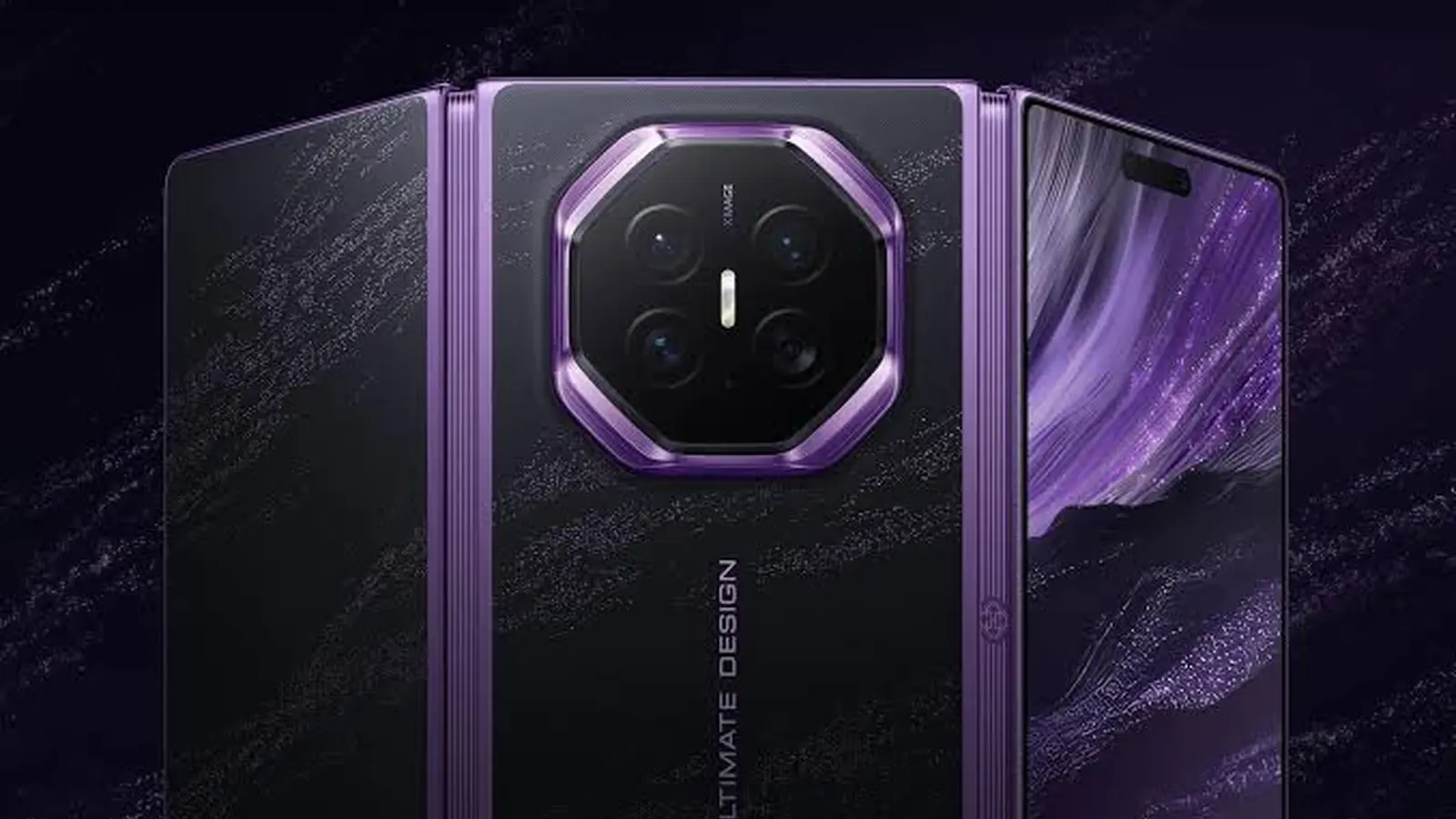
Unfolding it feels almost ceremonial. The Huawei Mate XT 2 closes like a pocket notebook and opens into a tablet-sized canvas, but the real work is under the skin — and inside the hinge.
At just 12.3mm folded and 3.5mm fully opened, this tri-fold blends surprising compactness with a 10.2-inch inner display that runs at a 3K resolution and a wide 12.8:9 aspect. The outer panel is a usable 6.5 inches at 2442 x 1140 and peaks at a blistering 6,500 nits of brightness. That’s not marketing hyperbole; it’s a screen built for daylight.
Huawei rebuilt the chassis and hinge structure from the ground up. The Mate XT 2 is rated IP58 and IP59 for dust and water resistance, making it the first tri-fold with that level of protection.

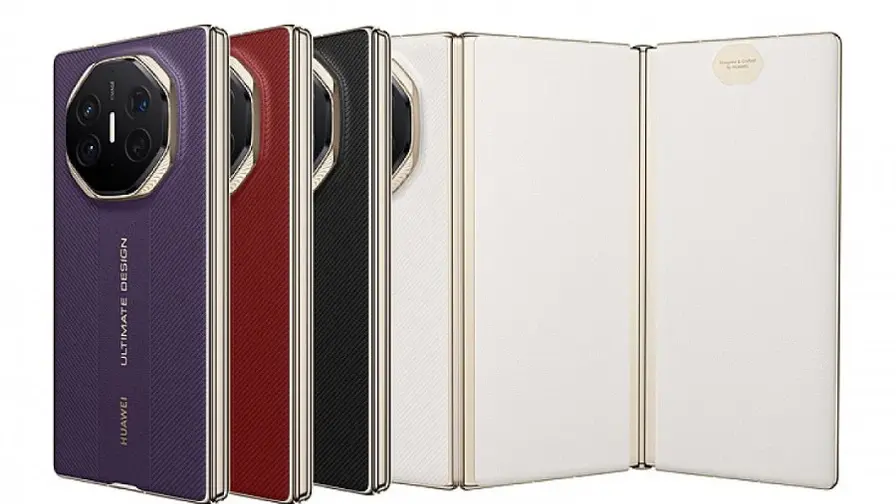
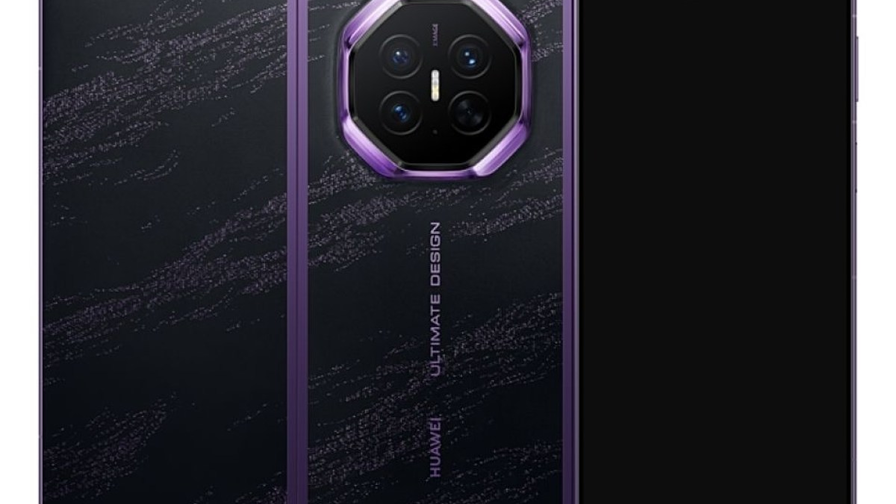
The glass choices are aggressive: basalt glass for the outer display, which Huawei says dramatically improves drop and scratch resilience, and a multi-layer composite for the inner panel that improves impact resistance roughly threefold. You get three finishes — Black, White, and Purple — each carrying a star-diamond camera module, a gold-woven brocade motif, and an "Extraordinary" badge near the hinge.

Built for foldable computing and private moments
Under the hood sits the Kirin 9050 Pro — a chip Huawei teased before launch and one that’s clearly tuned for a multi-panel device. Huawei claims about a 42% uplift versus the prior Mate XTs: 24% better single-core, 52% better multi-core, and a Ma Liang GPU that adds real-time ray tracing across up to 50 million lines while pushing rendering performance by 142%. The Da Vinci NPU runs an edge mixture-of-experts model with around 30 billion parameters and 2 billion active at runtime, a big bet on on-device AI.
Connectivity gets a nudge too. The Balong baseband brings satellite paging and messaging, and Huawei says it reduces video-call stutter on high-speed trains by roughly 25% compared with the previous model.
And then there is Lingdun, the privacy feature that steals the conversation. This is a hardware-level privacy system integrated into the foldable display. A double tap on the outer screen or a press of the smart control key narrows the viewing angle so the display remains clear to you while making side glances far less useful. You can also prop the outer panels upright to physically shield the screen from prying eyes. It’s a tactile, practical answer to shoulder-surfing.

The phone also includes ECG analysis and has received Class II medical device certification in China, so Huawei is leaning into health functions as part of the package.
Camera hardware aims to match the ambition. The setup centers on an 18EV ultra-high dynamic range main camera with a 50MP RYYB sensor and a variable aperture from F1.49 to F4.0, joined by a 50MP RYYB periscope telephoto with 3.5x optical zoom and a 40MP RYYB ultra-wide. Huawei’s third-generation Red Maple color system promises up to 95% better color accuracy over the previous generation.
 |  |
Software is where the tri-fold form gets practical. This is the first Huawei device to ship with HarmonyOS 7, offering split-screen layouts tailored to three-panel workflows. Think three apps side by side or a PC-style workspace when you need it — not just a stretched phone UI, but a workspace designed for multiple active windows.
Practical takeaway: the Mate XT 2 is engineered to be a usable tri-fold, not a fragile concept device.

Pricing lands at the premium end. The 16GB + 256GB model starts at €2,600. The 16GB + 512GB is €2,860, while 16GB + 1TB costs €3,120. Add the Lingdun privacy screen and the 1TB model rises to €3,250. At the top end, a 16GB + 2TB configuration bundled with a stylus set is €3,900. Early buyers get a rotating stand case (value €65) for free; the M-Pen 3 Mini is offered separately for €156.

Huawei will put the Mate XT 2 Extraordinary Master on sale in China starting September 13. The device is a clear signal: foldables have left the prototype phase and are being engineered for everyday resilience, privacy, and productivity.

“I love exploring gadgets, apps, and trends that redefine how we connect, work, and play in a digital world.”

Discussion
Leave a Comment
Comments (2)
6500 nits?? daylight for sure, but 3x impact resistance and on-device 30B AI… is this even real or marketing spin?
Nice engineering, but €3,900 for a tri-fold? feels overhyped. Hinge sounds solid though, Lingdun privacy is clever, battery life though…