
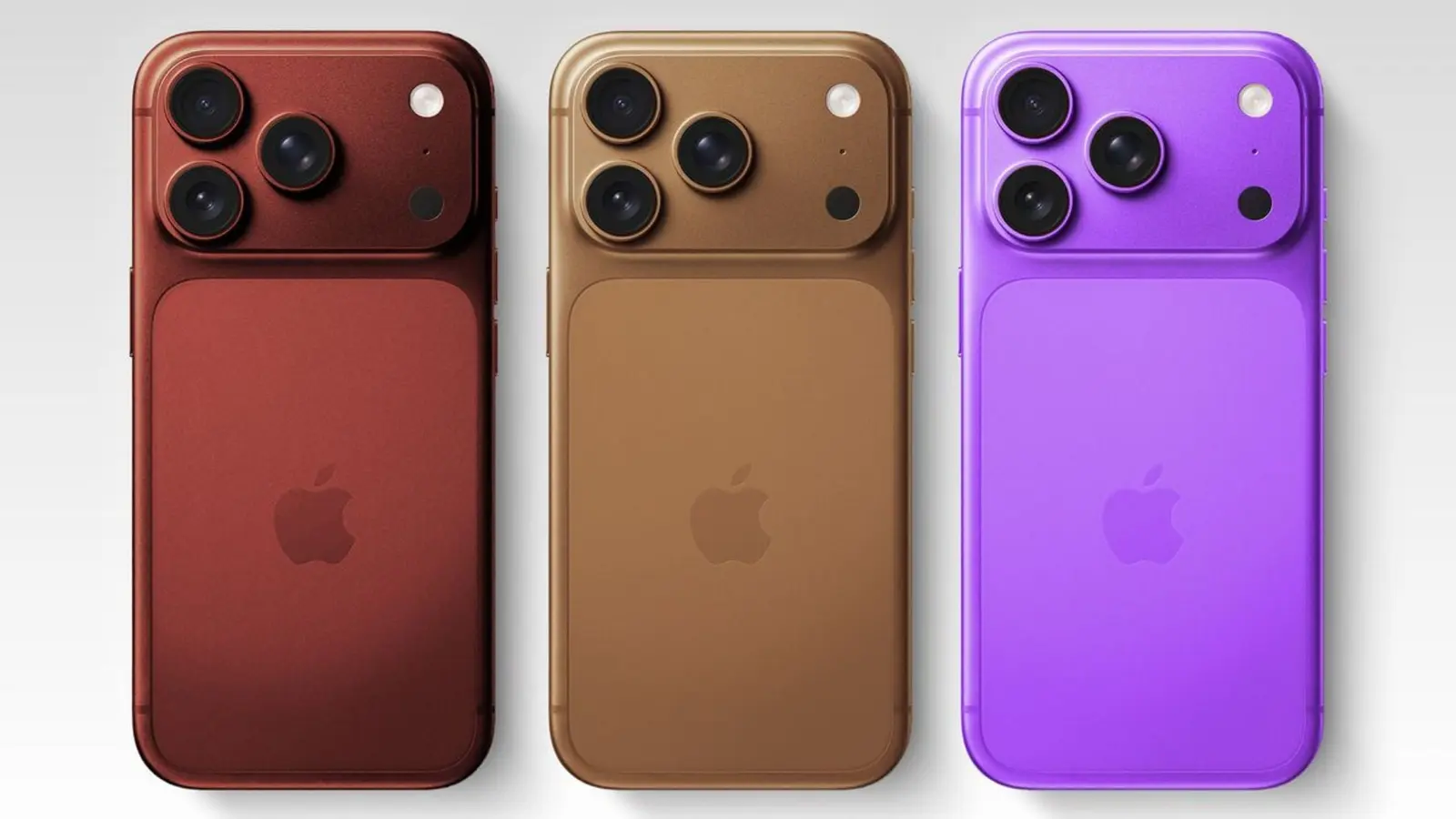
Picture a chip that sips less power and pushes frames harder. That’s the image now circling through supply-chain whispers as Apple prepares for next month’s iPhone 18 Pro debut.
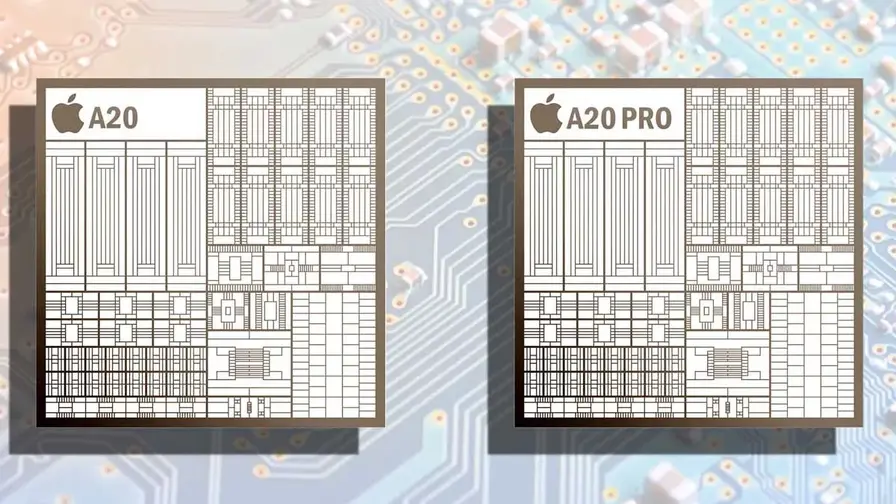
Leaker Fixed Focus Digital on Weibo claims the A20 Pro will move to TSMC’s 2nm Gate-All-Around process. The headline figures are attention-grabbing: roughly an 18% performance uplift over the A19 Pro and power draw that could fall by as much as 30% in some workloads. Shorter battery drains. Cooler phones. Better sustained performance.
Why the numbers feel like a double-edged sword
Smaller transistors and a GAA architecture explain the gains. But advanced nodes do not come cheap. Multiple industry sources have been signalling rising fabrication costs, and the rumor mill now ties that to a potential 40% increase in the iPhone 18 Pro’s bill of materials. Add a tight memory market, and the math starts to look uncomfortable for buyers.
The A20 Pro promises about 18% faster performance and up to 30% improved power efficiency, but higher production costs could push the iPhone 18 Pro starting price to roughly €1,287.

That price estimate lines up with recent reports that combine pricier chips and strained memory supplies. For comparison, the previous generation aimed for tiered pricing strategies around cost offsets; this cycle may be less forgiving.
What should you take away? First, technical progress is real. A move to 2nm GAA isn’t just marketing; it’s a material jump in transistor density and thermal behavior. Second, supply economics are shaping product strategy more than ever. Chip performance and phone price are linked now in a way they haven’t been for some time.
Apple still has room to maneuver. Component subsidies, regional pricing, or trimming features could blunt sticker shock. Or Apple might accept thinner margins to keep retail prices competitive. Expect more leaks and BOM estimates in the coming weeks as analysts and suppliers digest the A20 Pro claim.
Until the official announcement, treat these numbers as an informed preview rather than gospel. But if the A20 Pro delivers even a portion of the rumored gains, it will be one of the more notable silicon leaps in recent handset cycles.

“I love exploring gadgets, apps, and trends that redefine how we connect, work, and play in a digital world.”

Discussion
Leave a Comment
Comments
No comments yet. Be the first.