
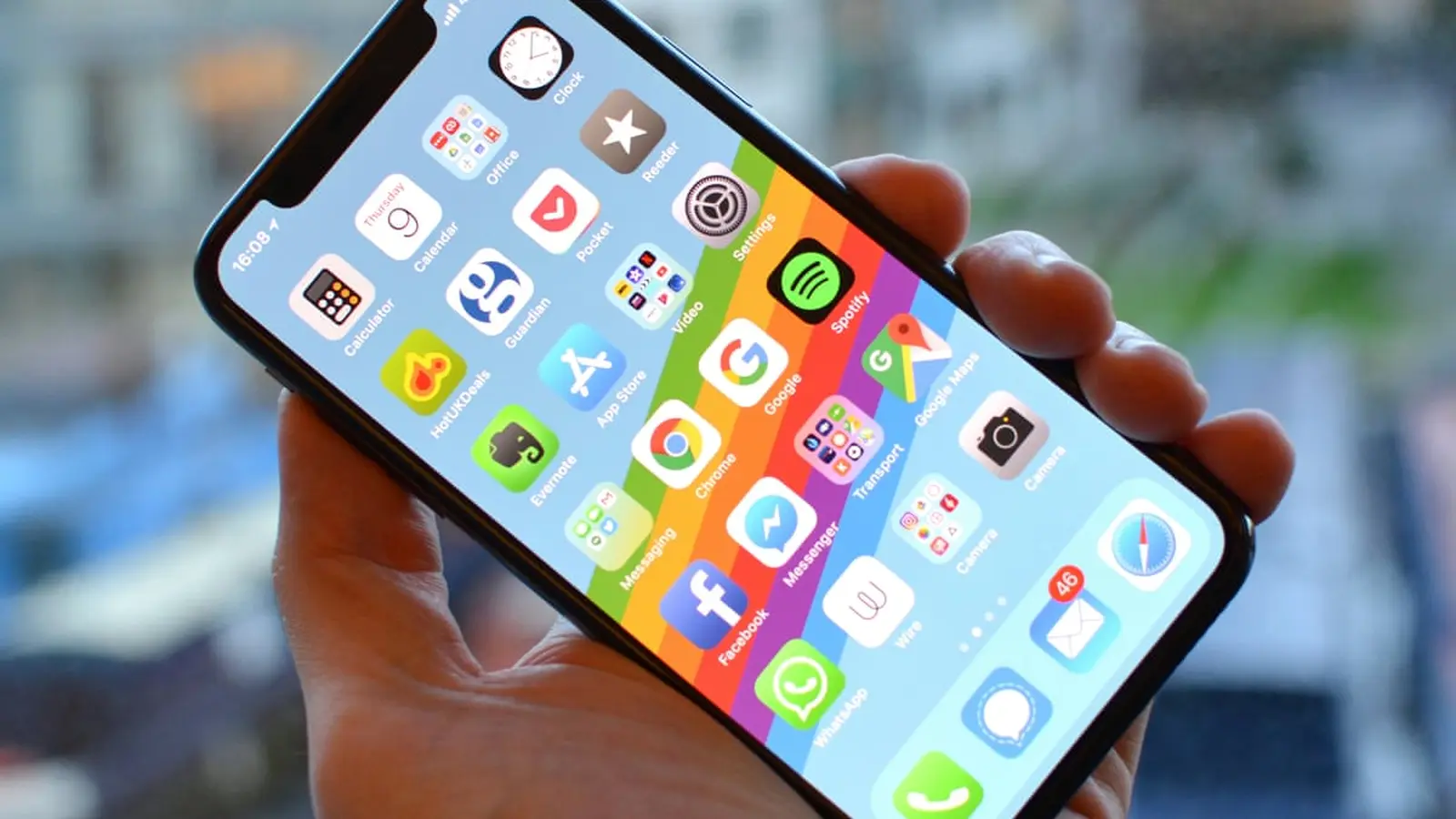
It felt like forever ago when Apple walked onto the stage and declared the iPhone X the start of a new design era. Glass backs. Face ID. A notch that changed how we see screens. Fast forward nearly nine years, and that milestone handset has quietly been added to Apple’s obsolete products list.
End of the road for a milestone device
Alongside the iPhone X, Apple also placed the 2018 15-inch MacBook Pro on the same list. The practical effect is simple and stark: once a product is labeled obsolete, Apple no longer provides hardware service for it. Repair centers cannot order official replacement parts through Apple channels anymore. If you own one of these machines and something breaks, your options narrow quickly.
So what does obsolete actually mean in practice? For most Apple hardware, the company moves devices to this status after they have been out of sale for more than seven years. There’s an exception for Mac models: battery service can sometimes remain available for up to ten years from the last sale date, but only if the parts are still in stock.
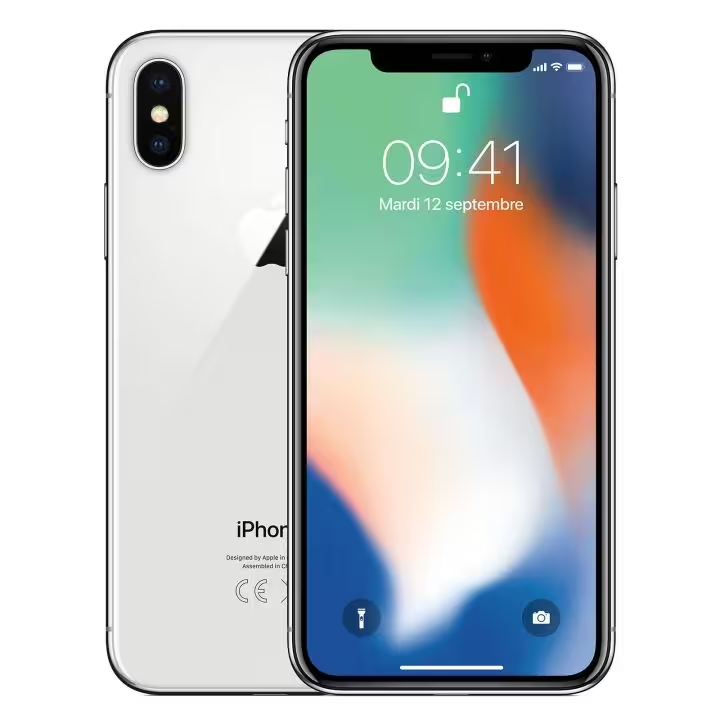
Software support has already wound down for both devices. The iPhone X received its last update with iOS 16.7.16, while the 2018 15-inch MacBook Pro’s final security and compatibility updates arrived as macOS 15.7.7. In short: security patches and feature updates are behind them.
Owners facing aging hardware have a few paths. You can keep using your device as-is, mindful that repair will be harder and that future software compatibility is unlikely. Third-party repair shops may be able to help, but parts and quality vary. And if you’re planning a move to newer hardware, now is a sensible moment to back up data and check migration options.
Apple maintains a public list of obsolete devices. If you’re unsure about a model you own, it’s worth checking that list to confirm service eligibility. The shift is a reminder of how quickly flagship tech becomes legacy hardware—iconic in memory, limited in support.

“I cover emerging technologies, digital innovation, and the intersection of tech and everyday life. My goal is to make complex trends accessible and inspiring.”

Discussion
Leave a Comment
Comments
No comments yet. Be the first.