
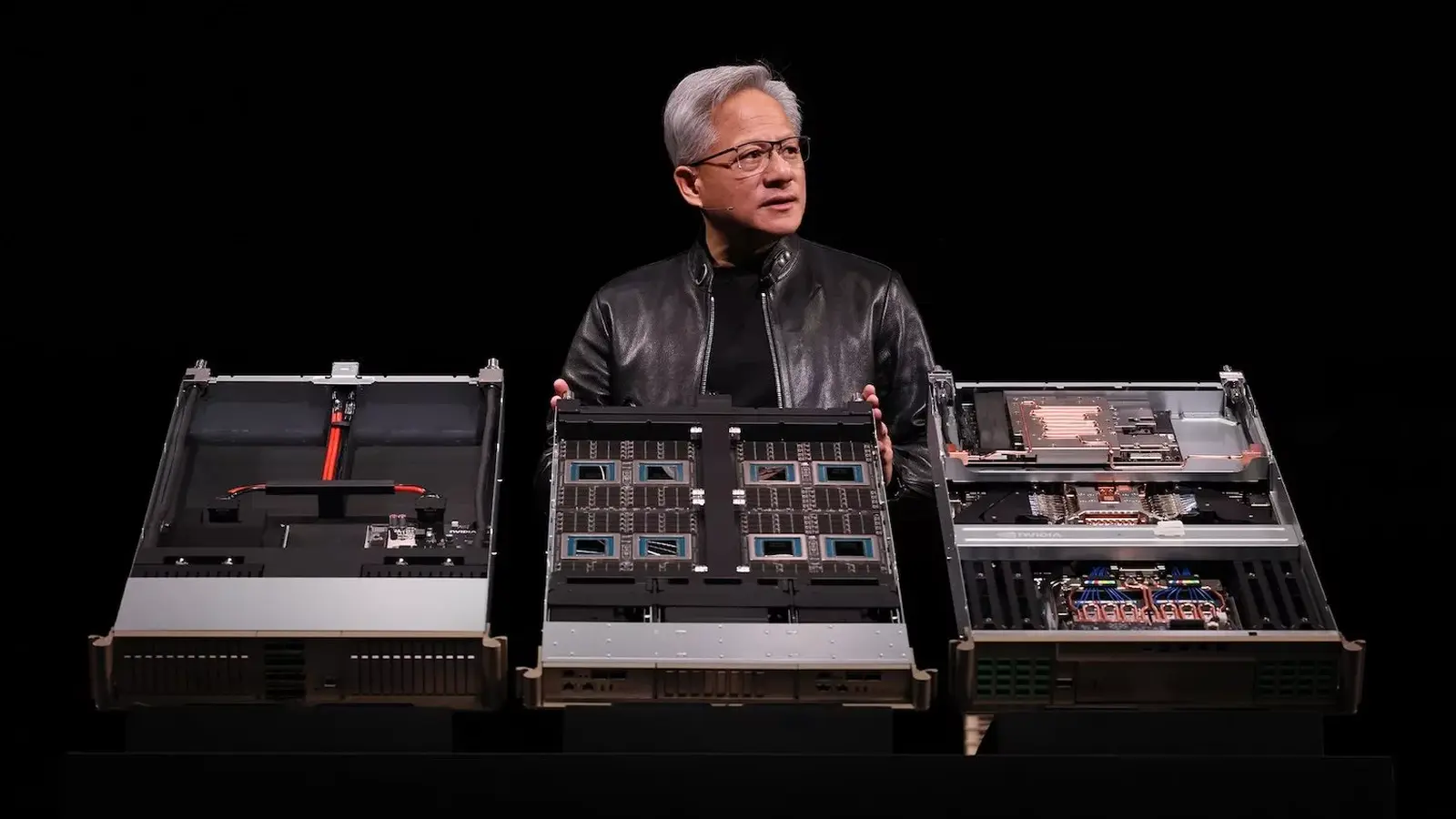
The hum of thousands of fans. A floor plan lit by endless LEDs. Japan and NVIDIA are not just building a data center — they're engineering a national brain for robots, factories and digital twins.
Inside the stack: Rubin, Vera and an industrial-sized backbone
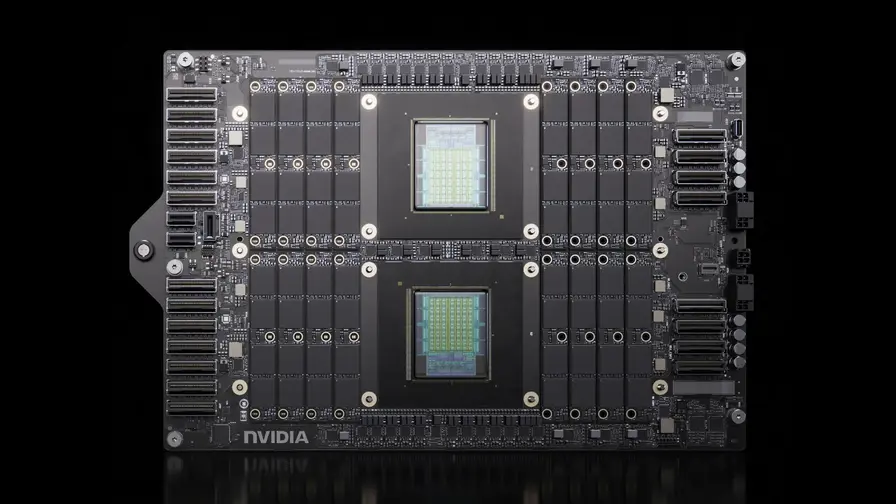
NVIDIA is teaming with the Noetra consortium to erect a 140 megawatt national AI center that will serve as the computational spine of Japan's FRONTia initiative. At its core sits NVIDIA's DSX data-center platform and racks of Vera Rubin NVL72 systems. Each NVL72 rack combines 72 Rubin GPUs with 36 Vera CPUs, and racks connect over Spectrum-X Ethernet for low-latency, high-throughput training.
Scale is not an afterthought. The installation will house roughly 27,500 Rubin GPUs and 13,750 Vera CPUs, architected so capacity can grow to train multimodal models with trillions of parameters. This is a facility designed for more than language and images; it wants to speak to machines in the physical world.

What this means for robotics and industry
Think of pre-trained foundation models that can control a robotic arm, optimize a logistics chain, or simulate an entire factory floor. NVIDIA presents Rubin as a full-stack AI factory: chips, networking, systems and software combined into a single platform for building and deploying multimodal base models that interact with physical systems rather than just process text and pictures.
Who gets access? The plan is to share pre-trained weights widely with Japanese developers and companies so they can fine-tune and customize models for robotics, logistics, industrial automation and digital twins. That distribution strategy could accelerate applied AI across supply chains and manufacturing in Japan — fast.
Hardware scale is striking even by modern AI data-center standards. By parts count, the site will include 382 Vera Rubin NVL72 racks, each containing NVLink-connected components within a rack and Spectrum-X links between racks to sustain massive model-parallel workloads.
Estimates put a single VR200 NVL72 system in the range of €4.7 to €6.5 million. That implies rack-only hardware costs between about €1.8 and €2.5 billion. Memory arrays, additional networking gear and the cooling and power infrastructure needed to tame 140 megawatts will push the total well beyond those figures.
Cost is one thing. Capability is another. This facility is built to turn Japan's industrial strengths into AI-native applications, rather than import finished models with limited adaptability.
Japan and NVIDIA are building not just compute, but an ecosystem: a national AI factory meant to seed industrial-scale multimodal intelligence across robotics and automation.
Questions remain. How will data governance, security and developer access be managed? What regulatory guardrails will shape the models created here? Expect debate as the center moves from construction to production. For now, the machines are still warming up, but the signal is clear: Japan wants an AI infrastructure tuned to its factories and its future.

“I love exploring gadgets, apps, and trends that redefine how we connect, work, and play in a digital world.”

Discussion
Leave a Comment
Comments (2)
Huge move for Japanese industry, hope they actually share weights with smaller firms so makers can build on it, oversight and privacy matter tho
Is this for real or PR? 27,500 GPUs and trillions params, sounds insane, but who owns the data who vets the robots? curious, wary.