
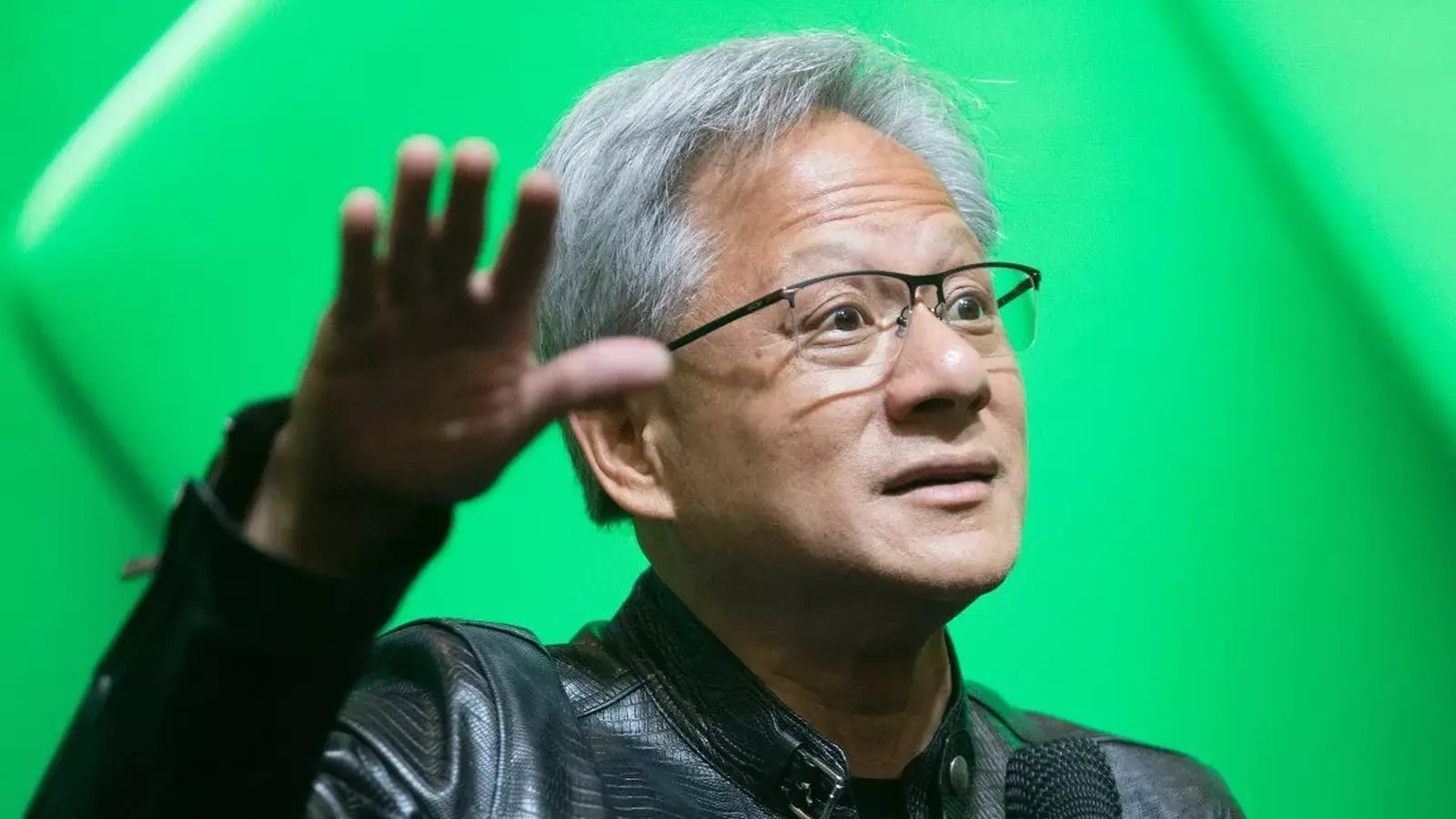
Jensen Huang didn't start with certainties. He began with a reminder: fear sells faster than nuance. The Nvidia CEO, sitting across from Axios, pushed back hard against two popular doomsday claims — that artificial intelligence will either erase half of American jobs or pose an existential threat to humanity. His answer was blunt. Those scenarios, he argued, do not match the evidence.
Don't confuse tasks with careers
Huang's main point landed like a course correction. People often equate a single task with an entire profession. Reading medical images is a task. Caring for patients is a profession. AI can accelerate or automate the former. It rarely replaces the latter.
Think about a radiologist. Yes, image interpretation can be automated to a large degree. But the job of a physician also involves diagnosis conversations, treatment planning, and reducing patient suffering — human duties that don’t vanish when algorithms get better at pattern recognition. Short sentence. Important idea.
He did concede that some roles are more exposed. Call centers, for example, will see heavy automation. Yet even there, Huang insists, human judgment and decisions will persist in many parts of the workflow. Tools change how work is done. They don’t always erase the need for humans.

To back up the argument, Huang pointed to recent workforce trends. Radiologist numbers rose by roughly 20 percent as AI allowed each doctor to handle more patients. The legal sector added more paralegals, up about 10 percent, and manufacturing employment grew nearly 50 percent in recent years — a jump Huang attributes to the global scramble to build data centers. These aren’t apocryphal footnotes. They are signals that automation often transforms demand rather than destroys it outright.
There’s also a warning buried in his one-liner: if you don’t use AI, someone who does might take your job. Call it a competitive reality. Technology favors those who adopt it.
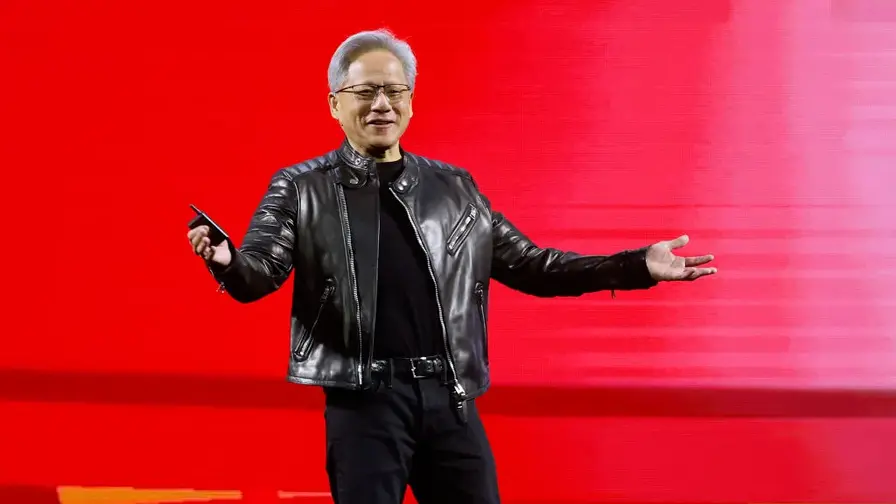
Huang didn’t spare his peers. He was critical of leaders who paint catastrophic futures. Why do these scenarios persist? Because dramatic stories get attention and make people sound prescient. He said some industry figures indulge in speculative science-fiction thinking about singularities, simulated realities, or machine consciousness — ideas, he argued, that are largely human inventions rather than imminent technical facts.
That jab was gentle but deliberate. He cautioned policymakers not to let fear-mongering drive heavy-handed restrictions. If regulators fixate on extreme narratives, they may craft rules that choke innovation or misallocate resources. Good policy, he suggested, should be informed by a wider range of scientists, not just a couple of loud voices.
On the politics side, Huang called the idea of the U.S. government buying Nvidia stock unnecessary. He advised that administrations consult broadly with experts before making consequential moves — a pragmatic stance, not a partisan one.
Farther out, Huang painted a bullish picture. He envisions a future where up to a trillion AI agents could be active at once. He said the industry is approaching a "ChatGPT moment" for robots, predicting practical, useful robots within three to four years. He also allowed that an AI bubble will form someday, but argued it won’t burst tomorrow — or even within the next five years.
Why should readers care? Because Huang is not just speaking as an executive hoping for higher chip sales, although of course Nvidia benefits from broader AI adoption. He’s arguing from observed shifts: automation changes work, it reshapes roles, and it creates new demand. History offers parallels. Mechanization didn’t end craftspeople; it reshaped industries.
AI will reshape tasks and reward those who master it, but it will not simply erase entire professions overnight.
There are dissenting voices. Some founders and thinkers still predict massive job losses as AI capabilities accelerate. The debate matters because how we respond — through education, policy, and corporate strategy — will determine whether the next wave of automation becomes a tide that lifts employment or a wave that leaves large groups behind.
Huang’s message is both optimistic and cautionary. Embrace useful tools. Teach people how to work with them. And don’t let doomsday stories crowd out practical planning. That is not a technologist’s fantasy. It is a road map for how societies might navigate the next chapter of automation without surrendering agency to fear.

“I love exploring gadgets, apps, and trends that redefine how we connect, work, and play in a digital world.”

Discussion
Leave a Comment
Comments (2)
I've seen AI boost output at my shop, ppl retrained and roles shifted. Huang's right: use it or lose it. Still, policy should cushion the
Hmm, I get the point, but sounds a bit rosy. Radiologist counts up ok, yet where's the broader evidence? stats, links pls. If call centers vanish, small town jobs suffer…