
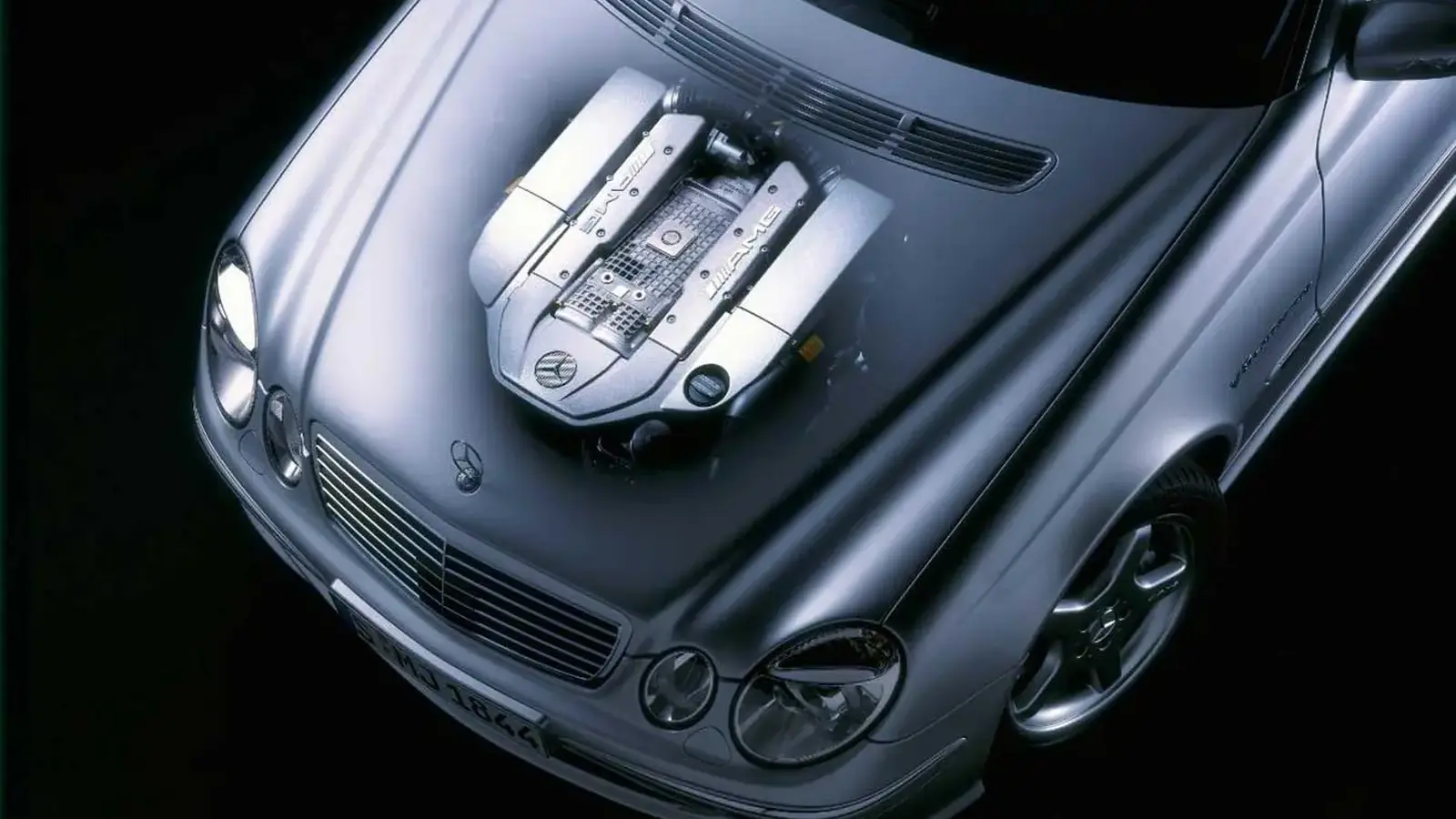
Affalterbach engineers turned a low-key Mercedes V8 into a high-performance legend by enlarging the M113 to 5.4 litres and, in its supercharged M113K form, taking peak output as high as 641 hp and 820 Nm in the SLR 722.
The transformation began with an engine that was anything but showy. Introduced in the second half of the 1990s as a conventional V8 option for Mercedes E and S class models, the M113 used an aluminium 90 degree block, a single camshaft per cylinder bank, and an unusual three-valve, two-spark-plug layout. That three-valve architecture and twin-plug ignition gave a compact package with quiet, smooth operation and low wear while keeping production costs and overall size down.
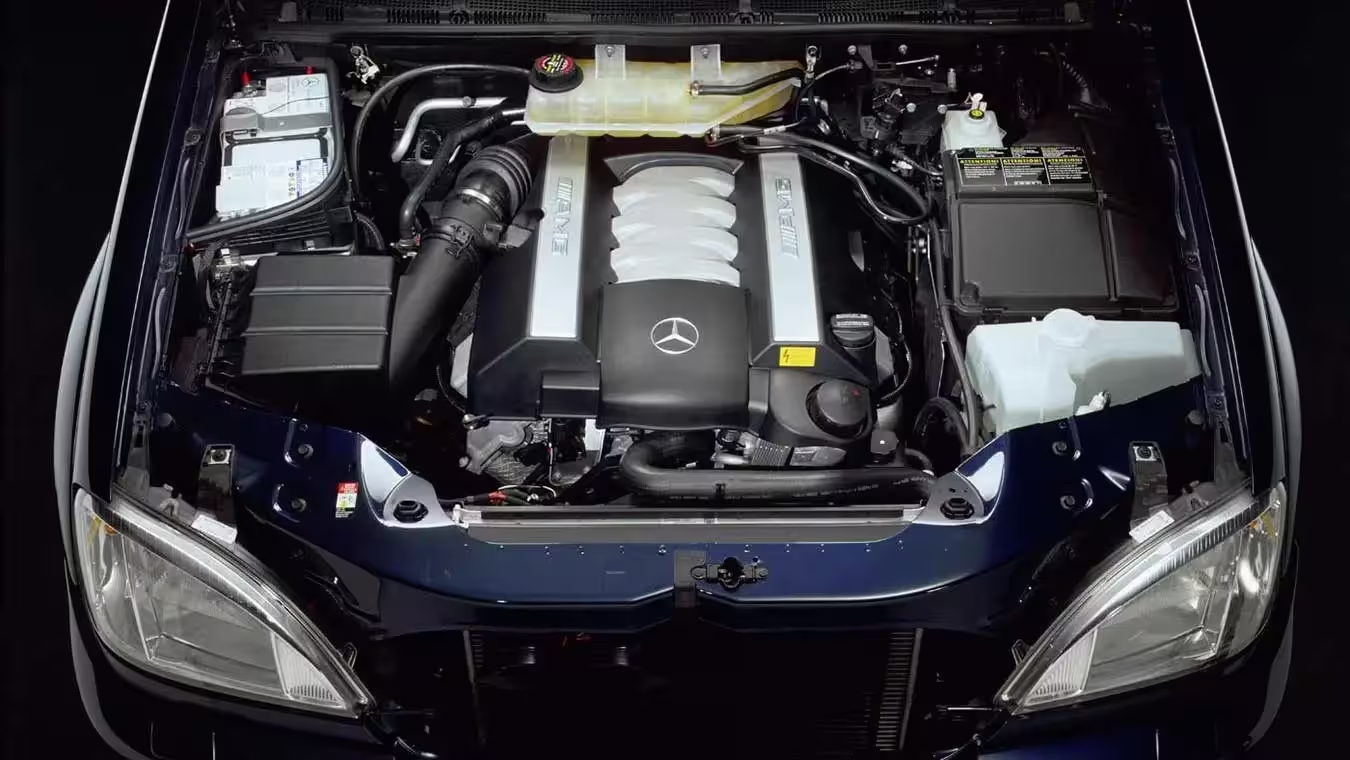
Affalterbach reworks the M113
AMG in Affalterbach progressively reworked the unit. Displacement was increased to 5.4 litres, and each hand-built powerplant carried a technician signature. The first high-performance application was the E55 AMG (W210), created to replace the E50 and to take the fight to the BMW M5 (E39). By retaining a 97 mm bore and increasing the stroke to 92 mm, the 5.4-litre version produced 349 hp and 530 Nm in that application. The same enlarged V8 was fitted to the CLK55 and delivered strong low-end torque compared with contemporary high-revving rivals.
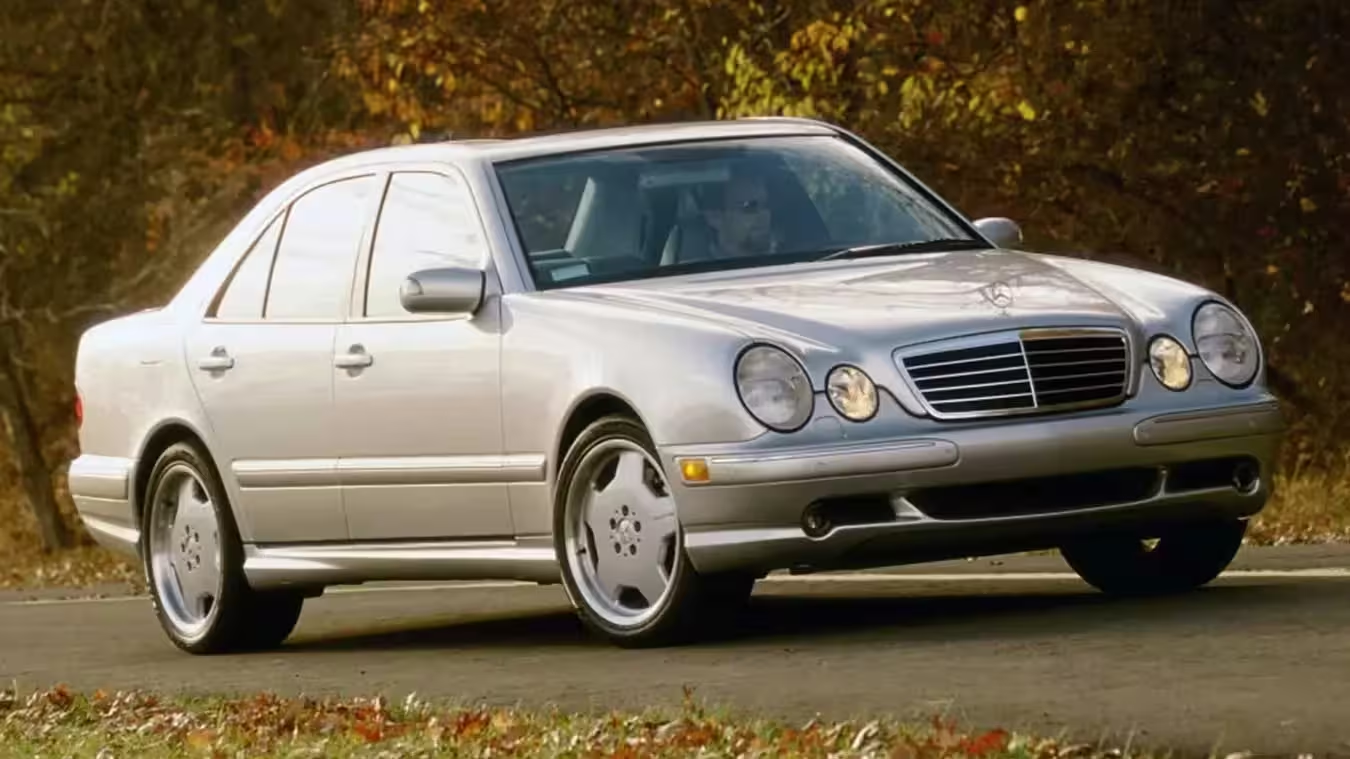
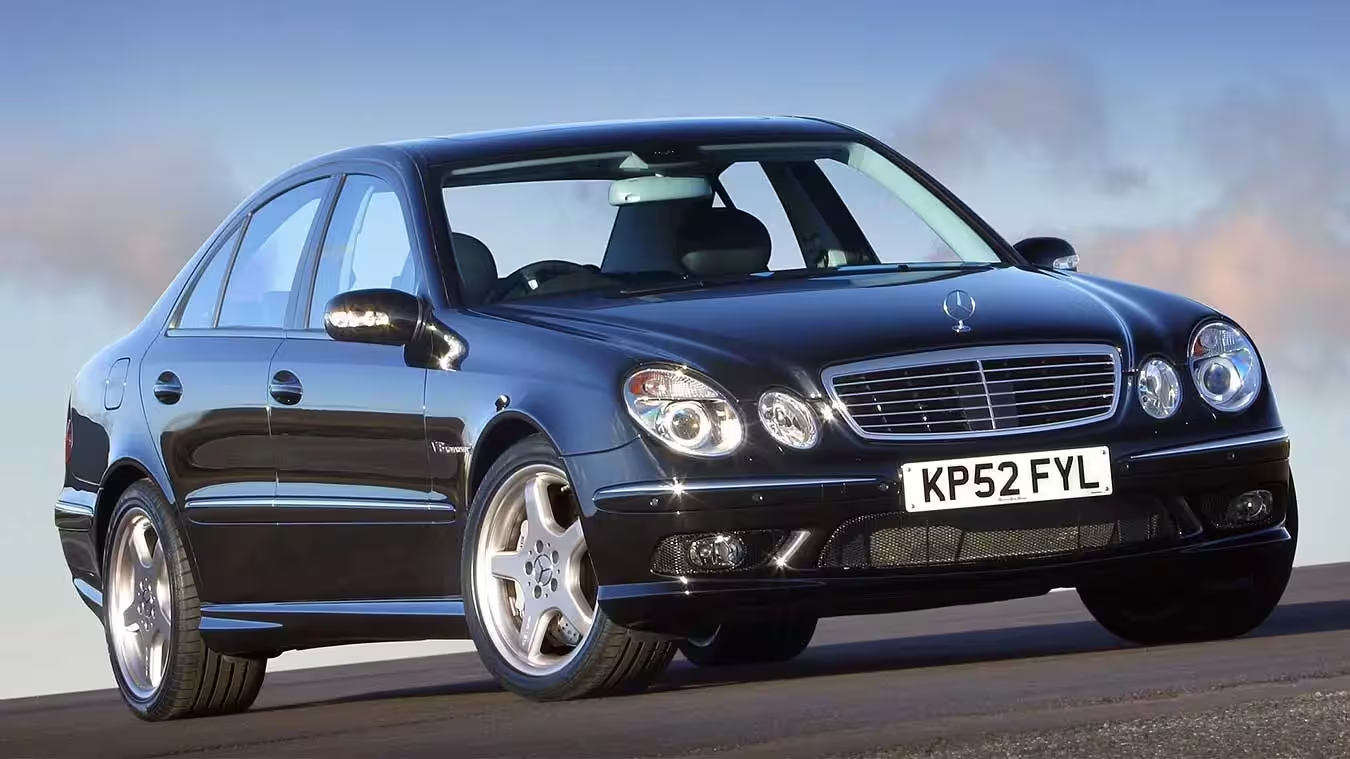
AMG then added a roots-style supercharger, the K designation, to create the M113K family. In the W211 E55 AMG the supercharged M113K produced 469 hp and 700 Nm, a figure that helped the car claim the title of fastest production sedan at the time and earned the engine International Engine of the Year for 2003. Across AMG models the powertrain remained mated to an upgraded five-speed automatic, with rear-wheel drive in sedans and four-wheel-drive layouts where specified.
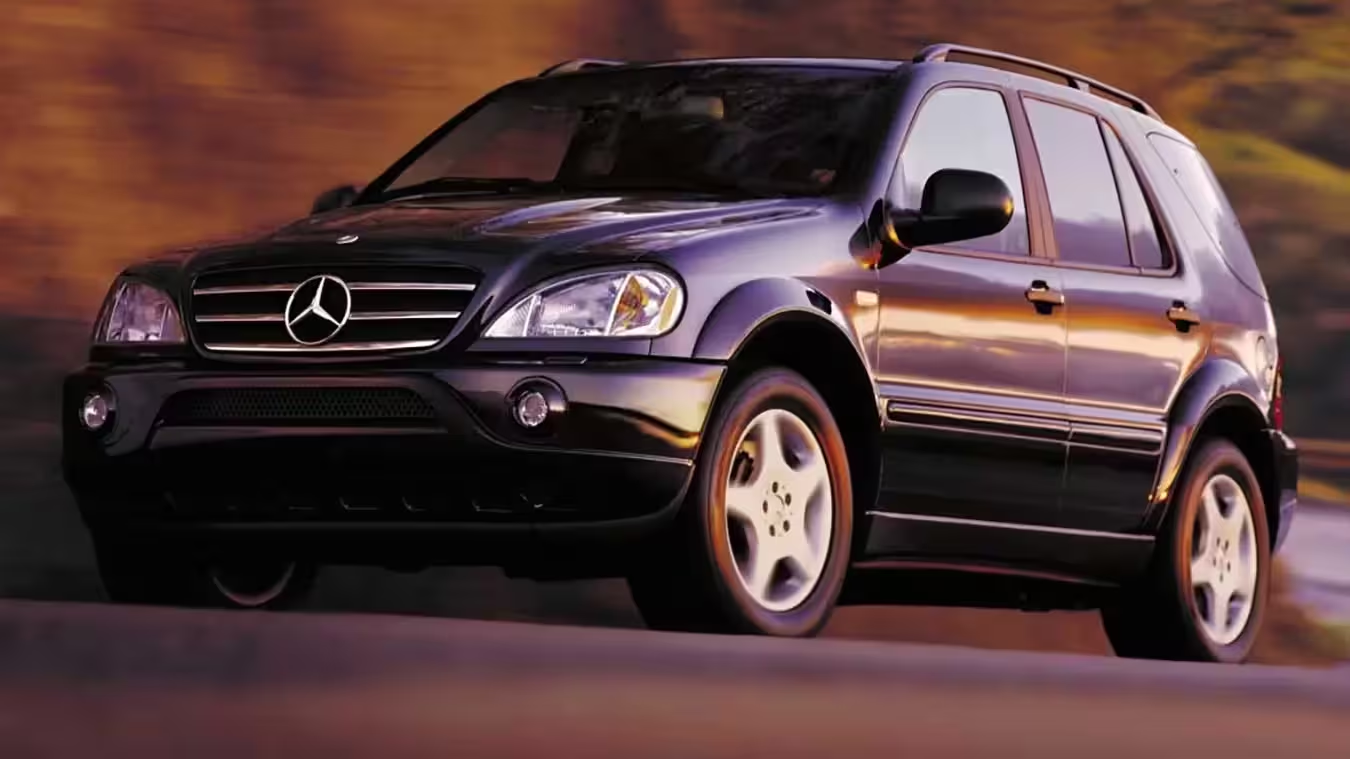
Applications across body types
The M113 shows how adaptable a single power unit became in AMG hands. In the mid-1990s a 5.4-litre V8 found its way into the ML55 AMG (W163), where packaging constraints and a different exhaust layout yielded 341 hp and 510 Nm. Even with a 2,093 kg curb weight and permanent four-wheel drive, the ML55 was the quickest sport utility vehicle of its era and helped establish the performance SUV category.
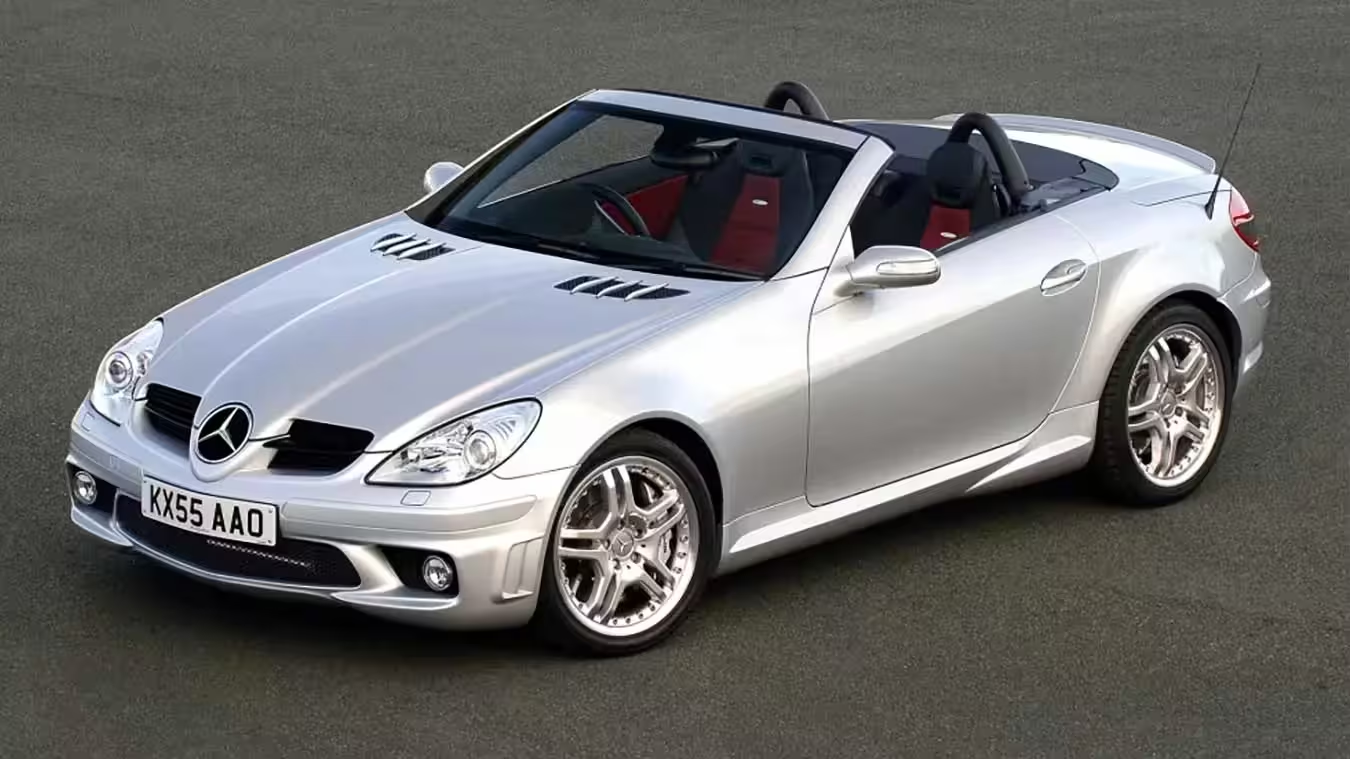
The compact SLK roadster (R171) received a naturally aspirated 5.4-litre M113 in AMG tune, rated at 355 hp and 510 Nm. With a short 2,430 mm wheelbase and a fortified five-speed automatic, the SLK55 reached 0 to 100 km/h in 4.9 seconds, a number that underpinned later hardcore Black Series developments.
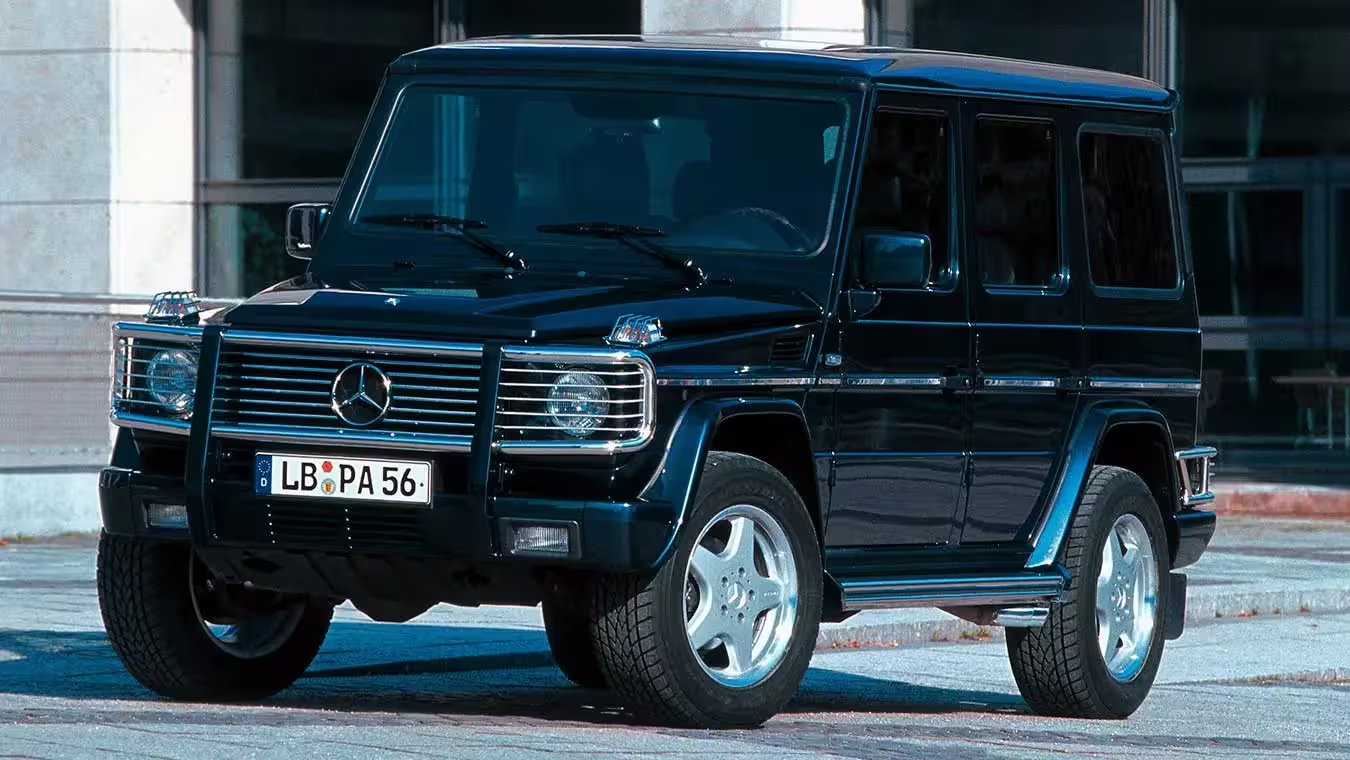
The G55 AMG brought the supercharged M113K into Mercedes classic G-Class architecture. In Geneva 2004 AMG presented the G55 K with 469 hp and 700 Nm; two years later the power figure rose to 500 hp. With a five-speed automatic and full-time all-wheel drive, the G55 did 0 to 100 km/h in under 6 seconds, an astonishing result for a heavy, boxy off-roader where agility in corners remained limited but exhaust note and presence were unmistakable.
At the extreme end the SLR McLaren received one of the most substantial M113K reworkings. For the SLR engineers used a specially reinforced block and fitted a dry-sump lubrication system to lower the centre of gravity and preserve oiling under track conditions. A larger supercharger and bespoke tuning yielded 626 hp and 780 Nm in the standard SLR, good for 0 to 100 km/h in 3.8 seconds. The SLR 722 edition raised output to 641 hp and 820 Nm, showing the three-valve M113 architecture could, when extensively reworked, compete with the world top tier of supercars.
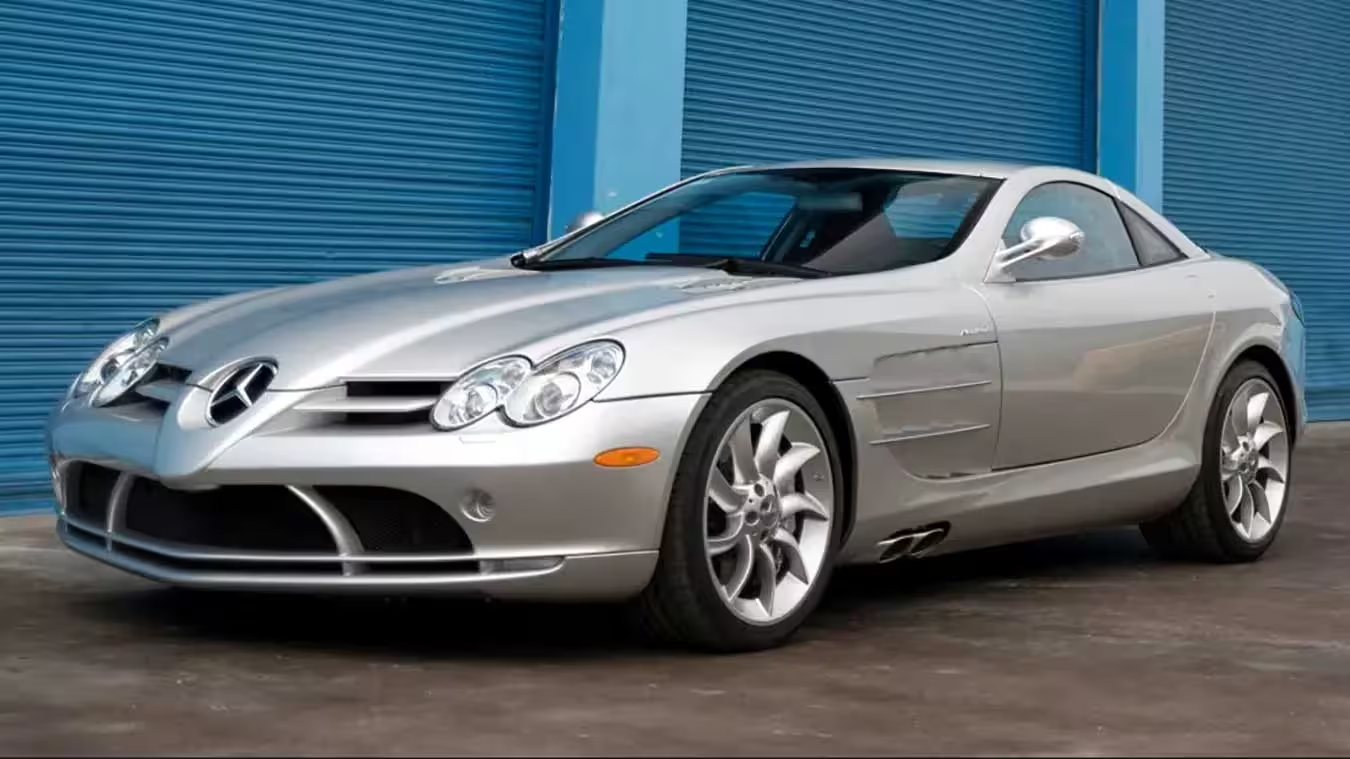
Across models from 1997 to 2009 the M113 family, especially in its M113K guise, became AMG's most applied and defining powerplant.
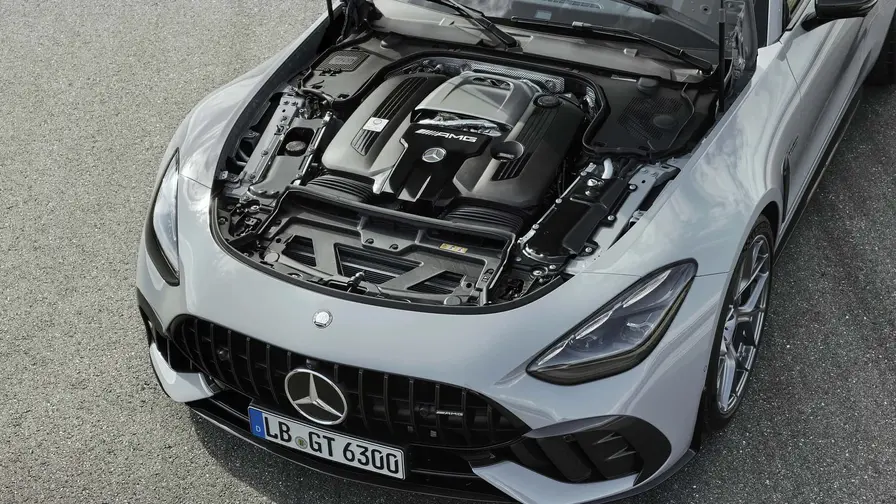
That story—an engine that began as a discreet V8 for executive saloons and became the backbone of multiple AMG icons—is also recorded in small details: each high-performance unit was hand-assembled in Affalterbach and signed by the technician responsible for its build.

“Cars are evolving faster than ever. I cover electric vehicles, smart mobility, and the future of transportation worldwide.”

Discussion
Leave a Comment
Comments
No comments yet. Be the first.