
Not everyone wants their game library to dissolve into the cloud. Collectors, secondhand buyers and some studios still treat discs like a safety net. Sony's move away from physical media forced that truth into the open.
The story began with a single corporate choice: PlayStation pivoted away from discs. The reaction was loud. Developers learned about the shift after the announcement. More than 120,000 players signed an online petition opposing the change. Complaints poured in from retailers and archivists who depend on physical copies.
Microsoft choosing a different lane
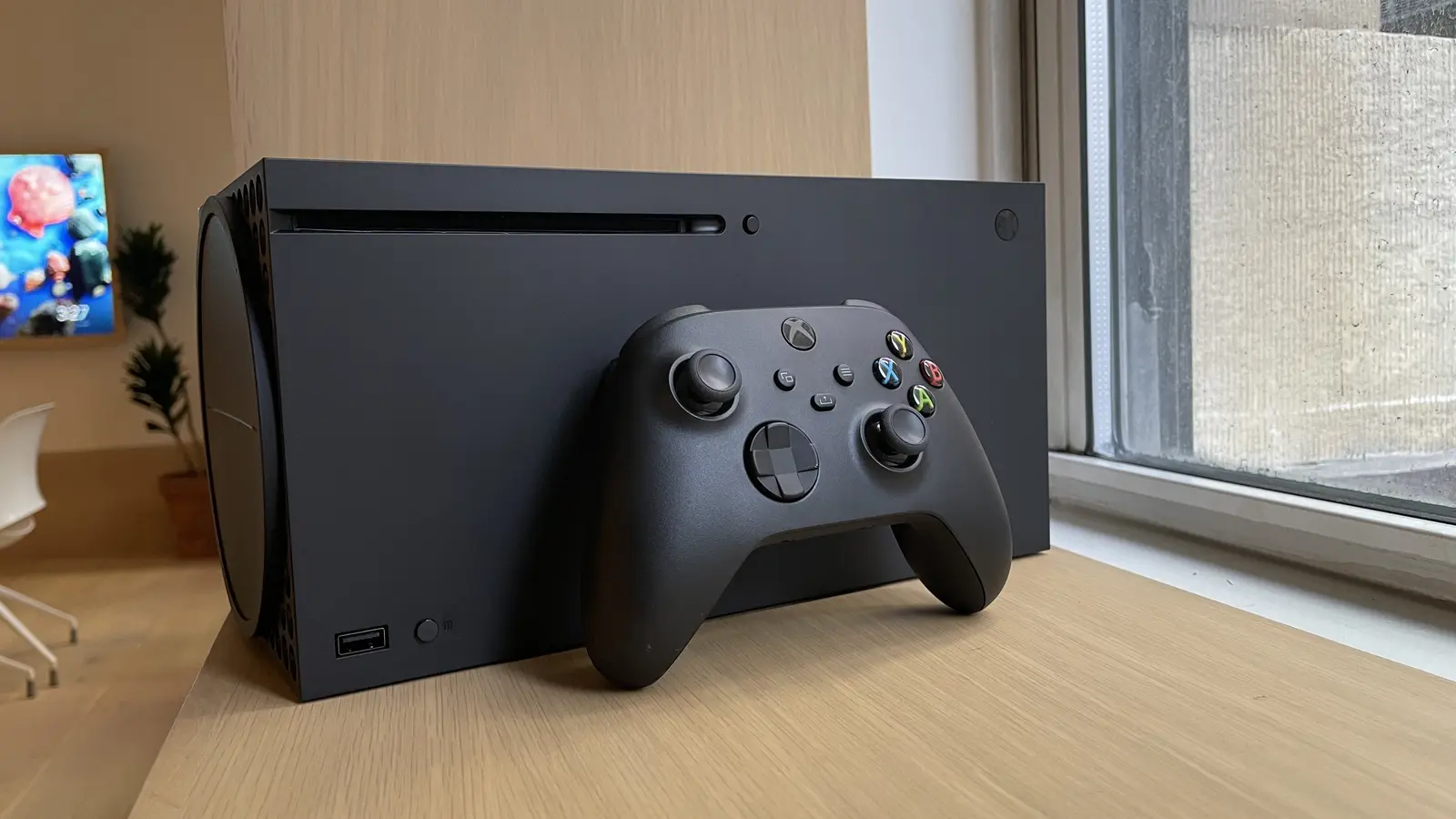
Enter Project Helix. According to industry whispers, Microsoft plans to keep a disc drive in its next-generation Xbox. That’s a deliberate contrast to Sony's direction. It’s also a practical bet: physical media still matters to a sizable slice of the market, and Microsoft appears ready to court those customers.
Why is this notable? For one, it signals a clear strategic split between two console giants. For another, it affects ecosystems — from storefronts to secondhand markets to collectors. And for players who own giant shelves of games, it’s a reassurance that their libraries won’t be instantly deprecated.

There’s risk embedded in the move. Xbox hardware has struggled in recent years; sales of the Series X and S underperformed expectations. Project Helix isn’t just a refresh. It’s a test of whether Microsoft can reverse course and rebuild momentum for its hardware division.
Internally, Xbox has been reshaping itself. Management changes and broad layoffs have been framed as an attempt to streamline the brand and sharpen focus on competitive hardware and software. The disc drive conversation is part of that bigger reset: if exclusives return to Xbox in force, physical copies become a useful distribution channel, not an afterthought.
There are practical upsides, too. Retailers like the certainty of boxed releases. Gamers who frequently trade or resell titles benefit from discs. And for regions with limited bandwidth or expensive internet, physical media remains the most reliable way to play large modern games.
Still, digital-only futures have advantages: lower manufacturing costs, instant updates, seamless storefronts. Microsoft must weigh those benefits against the backlash Sony triggered and the market segment that values tangibility. The company’s choice will shape hardware strategy for years and could redraw where gamers buy, sell and preserve games.
Project Helix is more than a spec sheet. It’s a signal about how Microsoft sees gaming’s next chapter. If the disc drive survives, it will be because the company believes some players won’t abandon physical media—and because keeping that bridge could make the difference between hardware recovery and another missed opportunity.

“I love exploring gadgets, apps, and trends that redefine how we connect, work, and play in a digital world.”

Discussion
Leave a Comment
Comments
No comments yet. Be the first.