
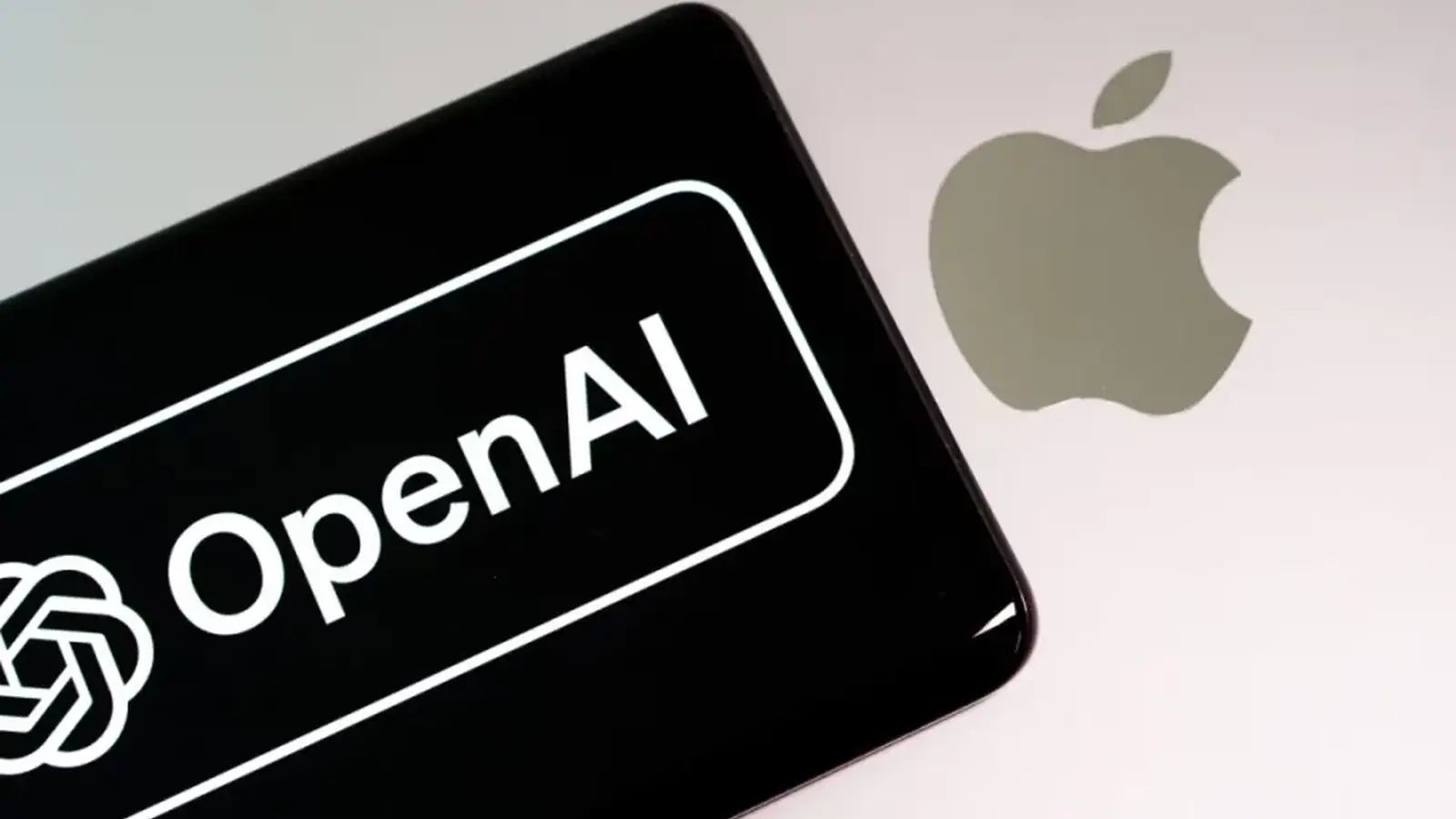
He was the quiet architect behind prototypes that promised to change how we see the world. Paul Meid, a hardware veteran who spent more than a decade at Apple, is leaving the company to join OpenAI's hardware team.
Bloomberg first reported the move. Meid led the Vision Pro hardware engineering team and later took charge of Apple's broader Vision products, overseeing work on the Vision Pro headset and the smart glasses Apple has been quietly building to meet Meta and Ray-Ban on the smart-eyewear battlefield. His track record spans iPhone and iPad projects and a tenure at Apple that began in 2010.
The hardware battle heats up
In recent months Meid had been supervising development of Apple smart glasses powered by on-device AI, plus the next generation of AR eyewear. Now he will join OpenAI's hardware unit to help design consumer devices built around large language models and edge AI. Reportedly his responsibilities will include helping shape hardware that could rival Apple in form and function.

Fletcher Rothkopf, who currently heads product design for Vision Pro and Apple smart glasses, will take over Meid's role at Apple. The succession follows internal reshuffling that coincides with leadership changes at the top of the company. John Ternus is preparing to step into the CEO role and Johny Srouji is expected to move into the chief hardware officer position. Sources say these changes have unsettled some hardware leaders at Apple and likely contributed to Meid's decision to leave.
This move sends a clear signal: OpenAI is serious about building hardware that competes with the tech giants.
OpenAI's ambitions extend beyond a single pair of glasses. Industry reporting suggests the organization is prototyping an AI-enabled pendant, an eyewear product, and even a device aimed at the smartphone category. Hiring seasoned hardware executives like Meid accelerates that effort and brings institutional knowledge of mass-market engineering to a company best known for software innovation.
What does this mean for Apple? Losing a senior hardware leader during a period of management transition is not trivial. Apple has long relied on deep bench strength and continuity to translate bold product visions into polished, manufacturable devices. When that continuity frays, timelines and priorities can shift.
And for OpenAI, the hire is a visible pivot. The organization has built its name on models and cloud services. Now it needs people who can turn those models into tangible products consumers will carry, wear, and interact with every day. That requires different skills, from industrial design to thermal engineering, and Meid brings a pedigree in both.
Expect the headlines to follow. The next wave of consumer AI devices will be shaped as much by talent moves as by technological breakthroughs. When hardware chiefs start changing teams, the strategic ripples run deep.

“I cover emerging technologies, digital innovation, and the intersection of tech and everyday life. My goal is to make complex trends accessible and inspiring.”

Discussion
Leave a Comment
Comments (2)
Looks smart for OpenAI, but losing someone like Meid during shakeup is worrying. timelines will slip, probs.
Wait, OpenAI poaching Apple hardware leads? if true this could shift the whole wearables race, but can they scale mass manufacturing...