
Imagine swiping and feeling the interface push back, as if the screen remembers your touch. That small, almost human pause is exactly what Oppo wants to sell on September 17, 2026: an OS that behaves like a living layer over hardware, not just a static skin.
The interface that refuses to stay still
ColorOS 17 arrives built on Android 17 and promises more than cosmetic polish. The headline feature is a new floating island navigation that threads through the system and most native apps. Animations stretch. Elements compress. Buttons bounce. It sounds like fluff, but Oppo claims measurable gains: roughly 35 percent better perceived smoothness, app cold starts about 20 percent faster, and a nearly 50 percent increase in how many apps can remain active in the background. Shorter waits. Less jank. More multitasking without the usual battery tax.

Closed beta builds were seeded in early August to a handful of recent devices, so some users have already seen these changes in the wild. That early feedback loop is important because Oppo plans a broad rollout. Expect ColorOS 17 to reach more than 130 models across Oppo, OnePlus, and Realme, turning what once felt like a single-brand update into a multi-brand platform play.
Three phones, one software stage
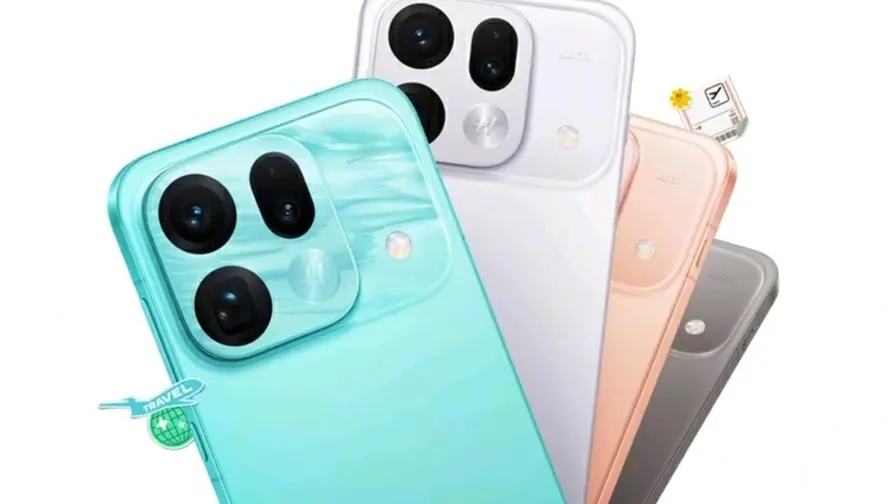
The software reveal is paired with hardware: the Find X10 family will debut on the same day. Leaks point to a three-model lineup. The standard Find X10 aims for a compact balance: a 6.59 inch 1.5K display, a massive 8,000 milliamp hour battery, and an intriguing dual 200 megapixel camera arrangement that pairs a main sensor with a periscope telephoto. That battery number alone changes expectations for what a flagship endurance profile looks like.
- Find X10: 6.59 inch 1.5K display, 8,000 mAh battery, dual 200 MP cameras
- Find X10 Pro: larger display, Dimensity 9600 Pro chipset, upgraded cameras
- Find X10 Pro Max: rumored three 200 MP sensors covering main, ultrawide and telephoto
For the Pro models, rumors point to larger screens—around 6.78 inches or bigger—and the Dimensity 9600 Pro at the heart of the family. The Pro Max, if the whispers hold true, will push a camera narrative hard: three 200 megapixel modules to cover main, ultrawide and telephoto duties. Specs can still shift before launch. That is the nature of pre-release grocery lists. Still, all devices are expected to ship with ColorOS 17 out of the box, which simplifies the buying decision: new phone, new OS, same experience across the lineup.

Why does any of this matter beyond megahertz and pixel counts? Because Oppo is betting on cohesion. A smoother UI plus aggressive multitasking could make midrange and flagship devices feel faster in everyday use, not just in benchmark runs. And when OnePlus and Realme join the rollout, those gains will reach tens of millions of devices.
September 17 is shaping up to be more than a product reveal. It is a statement about how software and hardware are being packaged together to deliver a different kind of flagship experience: one that tries to smooth the rough edges of daily interaction instead of only chasing headline specs.

“I cover emerging technologies, digital innovation, and the intersection of tech and everyday life. My goal is to make complex trends accessible and inspiring.”

Discussion
Leave a Comment
Comments (2)
8,000 mAh?? omg that alone might kill battery anxiety. UI that "feels alive" sounds cool, but hope it's not just animations slowing things
ColorOS 17 sounds slick but 35% smoother? hmm, is that measured or marketing fluff? also 8,000mAh battery sounds wild lol