
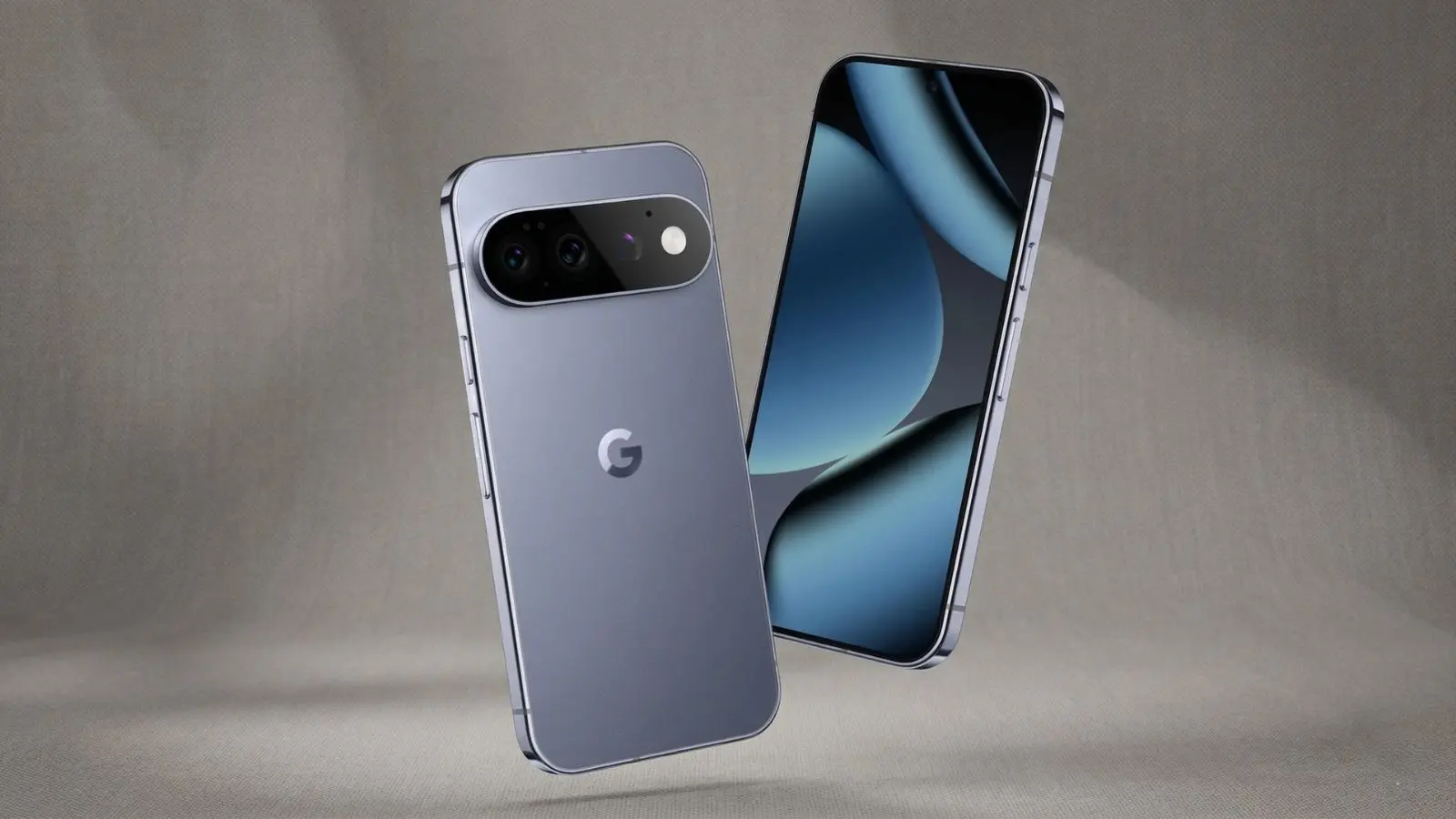
Somewhere in Amazon's backstage inventory, three Pixel 11 mockups popped up and refused to stay quiet. The shape is pure Pixel—camera bar, rounded corners, familiar stance—so speculation turned into near-certainty: these are early product renders for Google's next handset. But the listings read like a rushed memo, names and descriptions pulling in different directions.
Names that don’t line up with the paint
The images appear in Amazon listings that are sold and shipped by Amazon itself and listed under the Google Store on the platform. Titles call the finishes Obsidian, Hibiscus and Pistachio. The descriptions, however, label them Midnight, Fuchsia and Moss—the latter trio matching earlier leaks. It’s a small mess, but telling: retailers often prepare placeholder pages ahead of launches, and this one gave us more than just a silhouette.
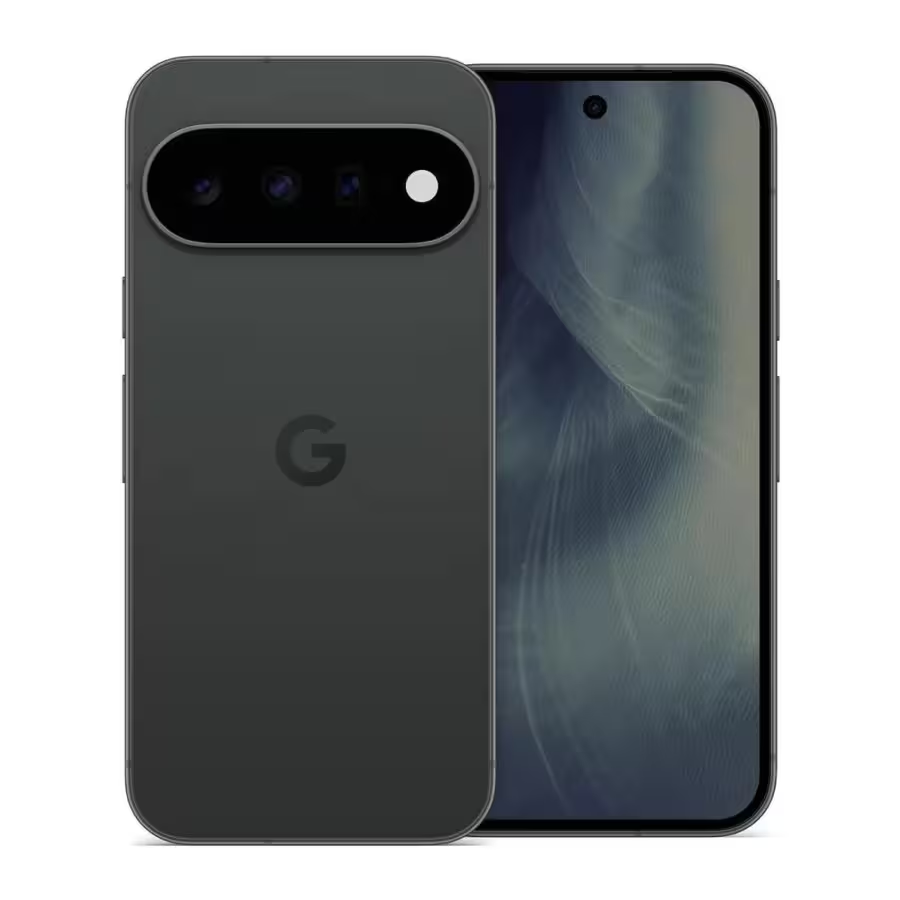 |  | 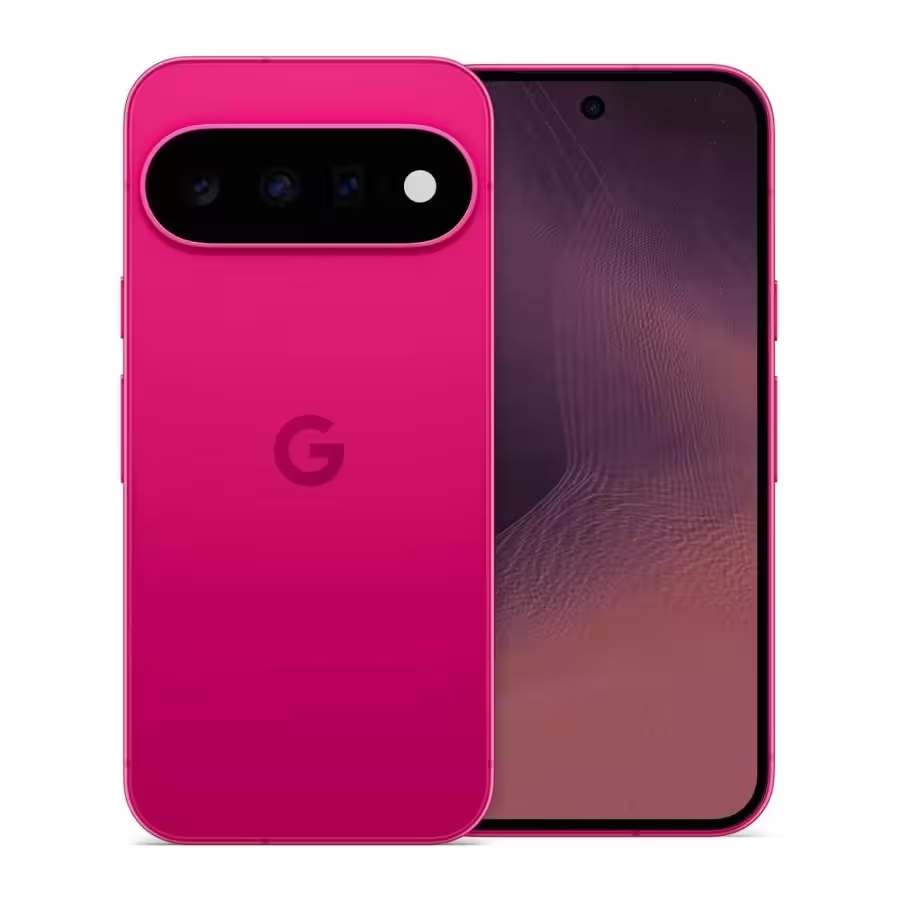 |
Beyond color politics, the listings drop concrete specs. The phone reportedly sports a 6.3-inch display at 1080 by 2424 pixels, pairs 12GB of RAM with 256GB of storage, and weighs about 204 grams. Battery capacity is listed at 4,985 mAh. The asking price shown converts to roughly €830.
Google has set an August 12 reveal for the Pixel 11 family, and CAD-based renders have circulated previously, so these listings fit the timeline. The centerpiece, though, might be what’s under the hood: the Pixel 11 family is expected to run on the Tensor G6 chipset, which industry chatter claims will be the first mobile system-on-chip built on TSMC's 2 nm node. Ambitious. Dangerous. Exciting.
Will a 2 nm Tensor change the way Pixel phones feel day to day? Maybe. Real-world gains often depend on software tuning as much as raw process improvements. Still, if these Amazon listings are any indication, Google is lining up colorways, storage tiers and a new silicon story to headline the fall.

“I cover emerging technologies, digital innovation, and the intersection of tech and everyday life. My goal is to make complex trends accessible and inspiring.”

Discussion
Leave a Comment
Comments
No comments yet. Be the first.