
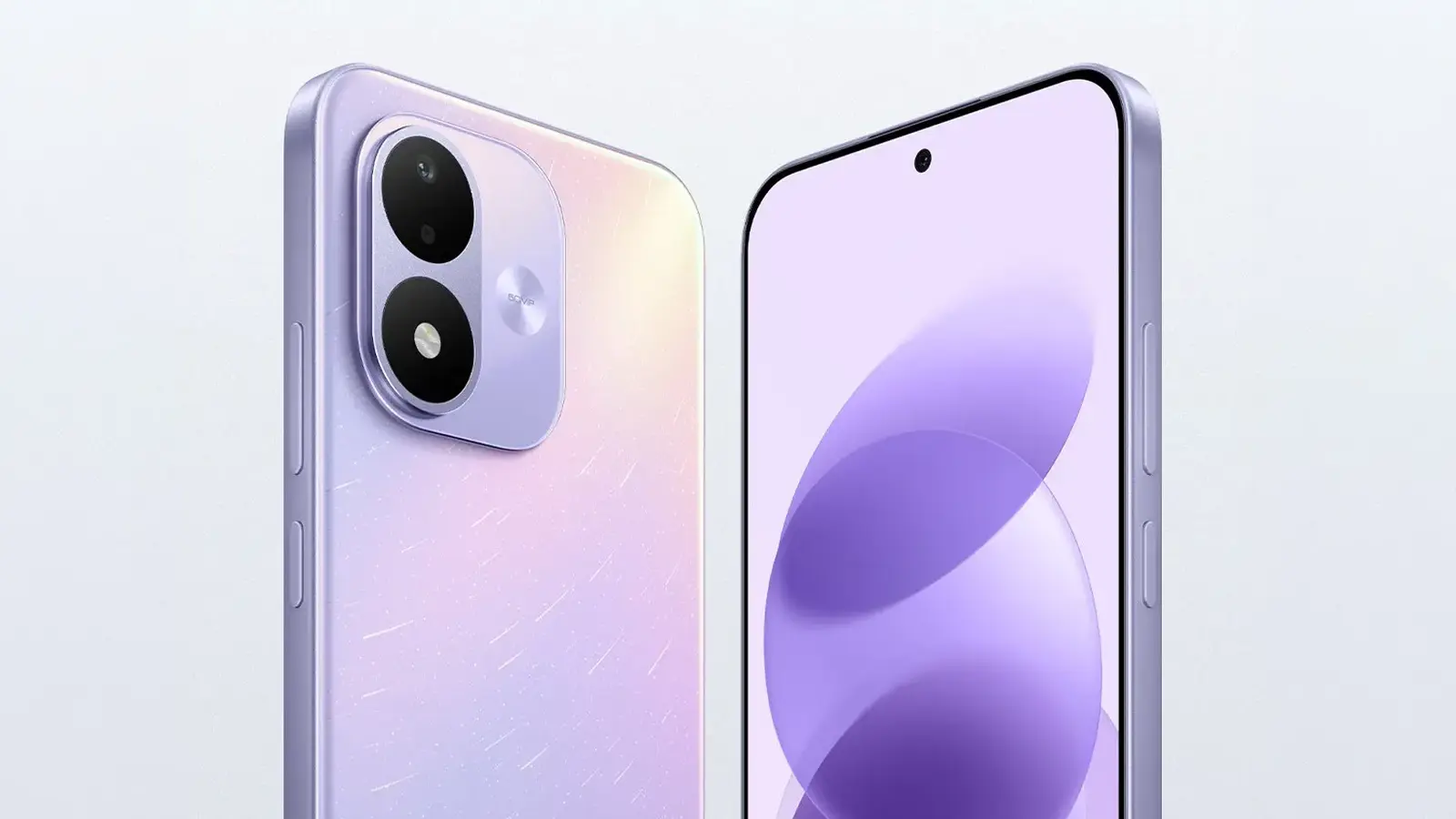
Seven inches of screen. Not a tablet. A phone that insists on being noticed.
That is the first impression left by traces found in Xiaomi's latest HyperOS firmware. Two model numbers surfaced: 26021RN18C and 26021PC18I. One ends with RN. The other with PC. One finishes with C. The other with I. Those letters are the breadcrumbs.
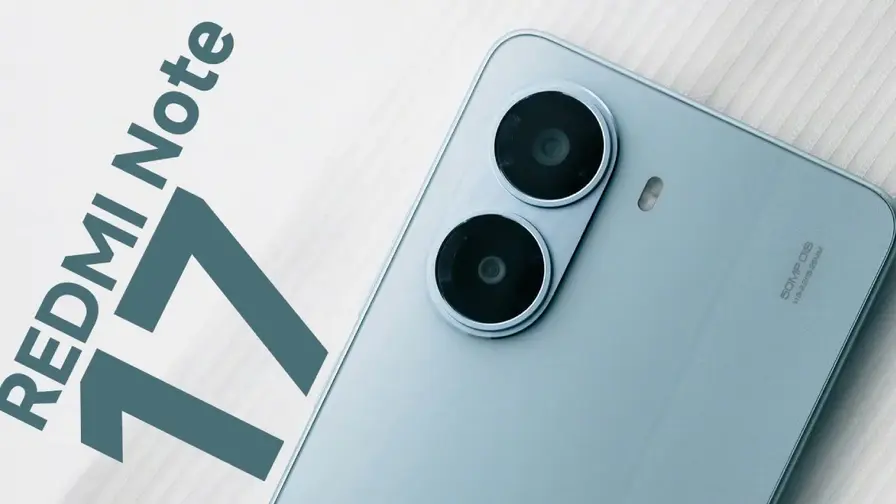
RN points to Redmi. PC points to Poco. C marks China. I marks India. Put it together and the message is clear. The device listed as 26021RN18C in China seems destined to resurface in India as 26021PC18I under the Poco badge. In plain language, a Redmi Note 17 variant appears to be getting a Poco label for the Indian market.
Specs that matter, and why they matter
Rebranding is nothing new for Xiaomi and its sub-brands. What matters is what the handset brings to the table. Based on the Redmi Note 17 hardware, the likely headline features are bold and specific.

- 7 inch OLED panel, 1080 by 2396 pixels, 120Hz refresh rate and claimed 1,800 nits peak brightness
- Qualcomm Snapdragon 4 Gen 4 chipset
- 6 or 8 gigabytes of RAM, paired with 128 or 256 gigabytes of storage
- 50 megapixel main camera and an 8 megapixel selfie shooter
- Massive 8,000 mAh battery with 45 watt wired charging support
That battery figure alone explains the Power suffix. It promises multi-day endurance for heavy users. The display numbers suggest Xiaomi wants this to be a multimedia workhorse, not just a budget phone with a larger battery.
Will the Indian Poco M8 Power match the Chinese Redmi Note 17 spec for spec? Possibly. Xiaomi often shuffles minor details between markets and brands to fit pricing strategies or carrier deals. Still, the firmware model mapping is persuasive. When vendors reuse hardware, software traces are usually the first place to spot the overlap.
For buyers, the takeaway is simple. If you were intrigued by the Redmi Note 17's combination of a large OLED, a modern entry-level Snapdragon, and a battery meant to outlast the day, the Poco M8 Power could be the same package with a different badge and marketing. For fans of Poco, it could be the brand bringing that battery-first experience to India under a familiar name.
Keep an eye on upcoming software builds and local certification listings. They tend to fill in the gaps faster than official launch invites. Until Xiaomi or Poco confirms anything, firmware breadcrumbs offer the clearest hint of what to expect.

“I cover emerging technologies, digital innovation, and the intersection of tech and everyday life. My goal is to make complex trends accessible and inspiring.”

Discussion
Leave a Comment
Comments
No comments yet. Be the first.