
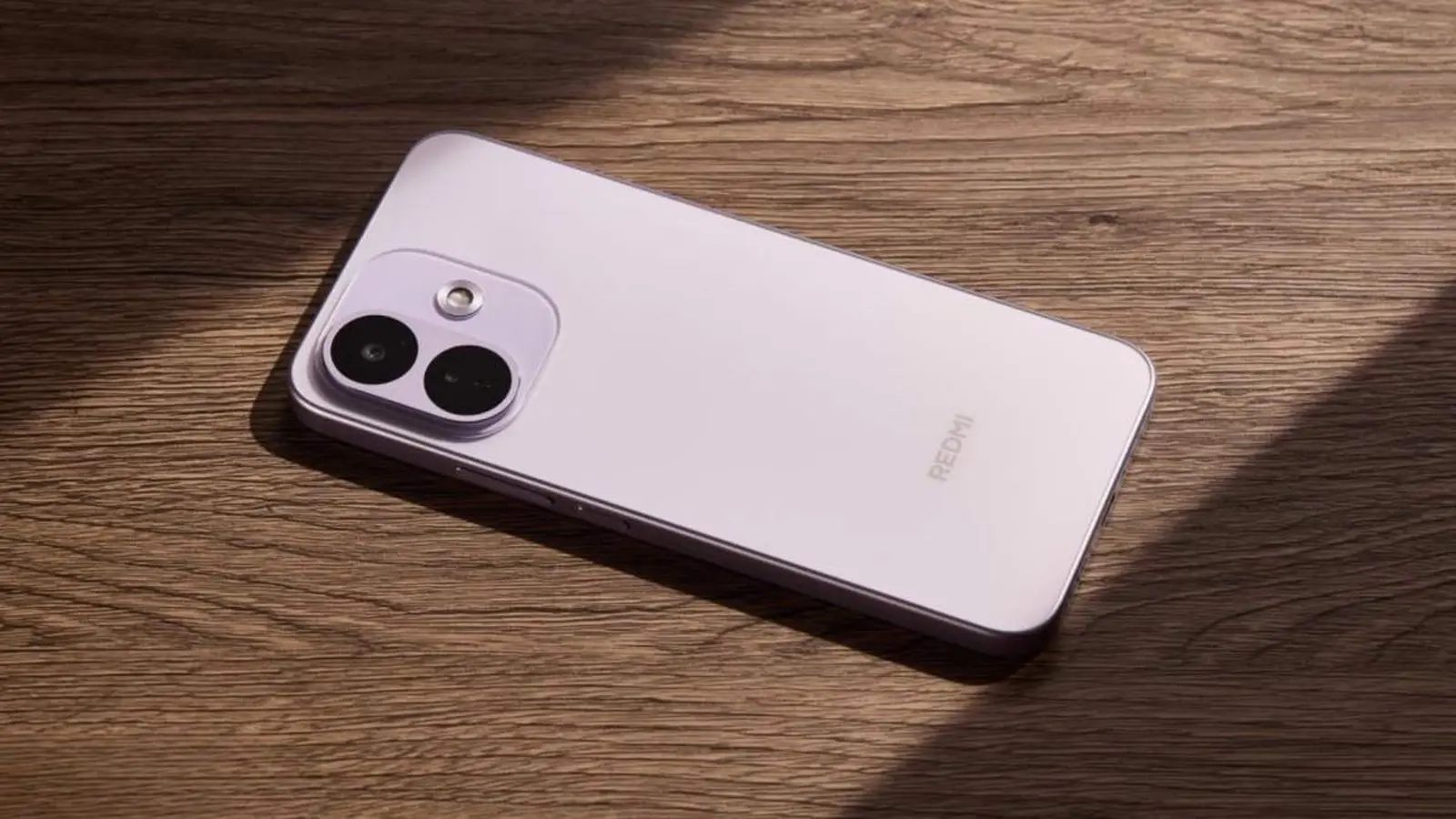
Picture a phone that treats battery anxiety like a relic. You wake up, glance at the screen, and still have more than enough juice to sprint through a day of maps, calls, photos and a video or two. That promise is at the heart of the latest Redmi rumor: a Pro Max that pushes endurance and charging speed past its siblings.
Xiaomi’s broader Redmi Note 17 lineup arrived in China in mid-July with two models: the Note 17 and Note 17 Pro. The vanilla model later crossed into India, but global variants have quietly diverged from their China/India cousins with adjusted hardware and a slightly different feature set. New leaks now sketch a third international model — the Redmi Note 17 Pro Max — that aims to stand out by doubling down on battery life and faster top-tier charging.
Battery and charging steal the show
The headline is simple and bold: a 9,210 mAh cell paired with 100 W fast charging. That capacity tops the expected 8,340 mAh for the global Note 17 Pro and even bests the Chinese Pro’s 9,000 mAh. Charging speed is a leap too; while the Pro models are said to cap at 67 W, the Max would cut recharge times significantly with its 100 W capability. Short top-ups. Longer days. Fewer battery worries.

Physically, the Max isn’t a lightweight. Expect a footprint of 163.4 x 78.3 x 8.6 mm and a mass near 230 g. That makes it marginally thicker and slightly heavier than the Chinese Note 17 Pro, but the trade-off is obvious: extra battery capacity for heavy users who treat their phone like a pocket-sized computer.
Screen tech also looks class-leading on paper. The global Pro Max is reported to use a 6.83 inch panel with a 1,280 x 2,772 pixel resolution, 120 Hz refresh and an intense peak brightness rating of 3,500 nits. Gorilla Glass Victus 2 is listed for protection. In-display selfie fans get an upgrade too: a 32 MP sensor sits under the glass, a clear step up from the 8 MP or 16 MP options on other global variants.
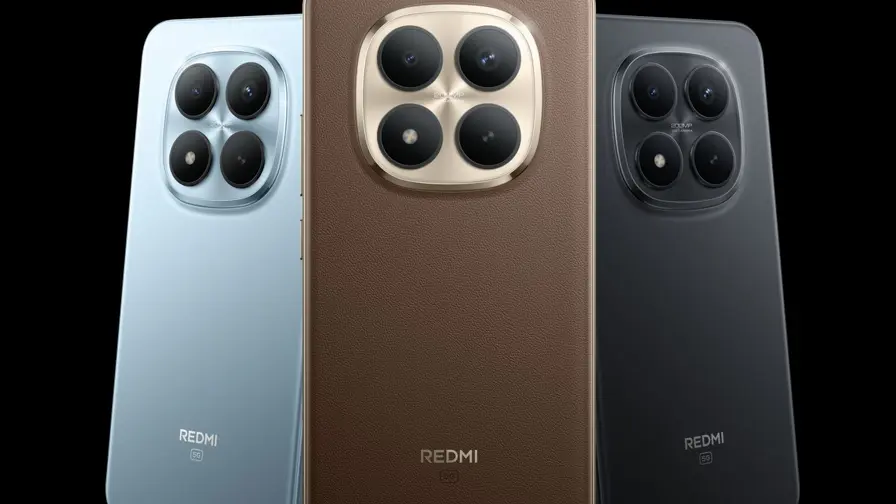
Cameras on the rear are expected to follow a familiar, reliable formula: a 50 MP main sensor complemented by an 8 MP ultra-wide. The leak doesn’t spell out sensor sizes, so imaging quality could still hold surprises — better optics or larger pixels would change the story quickly.
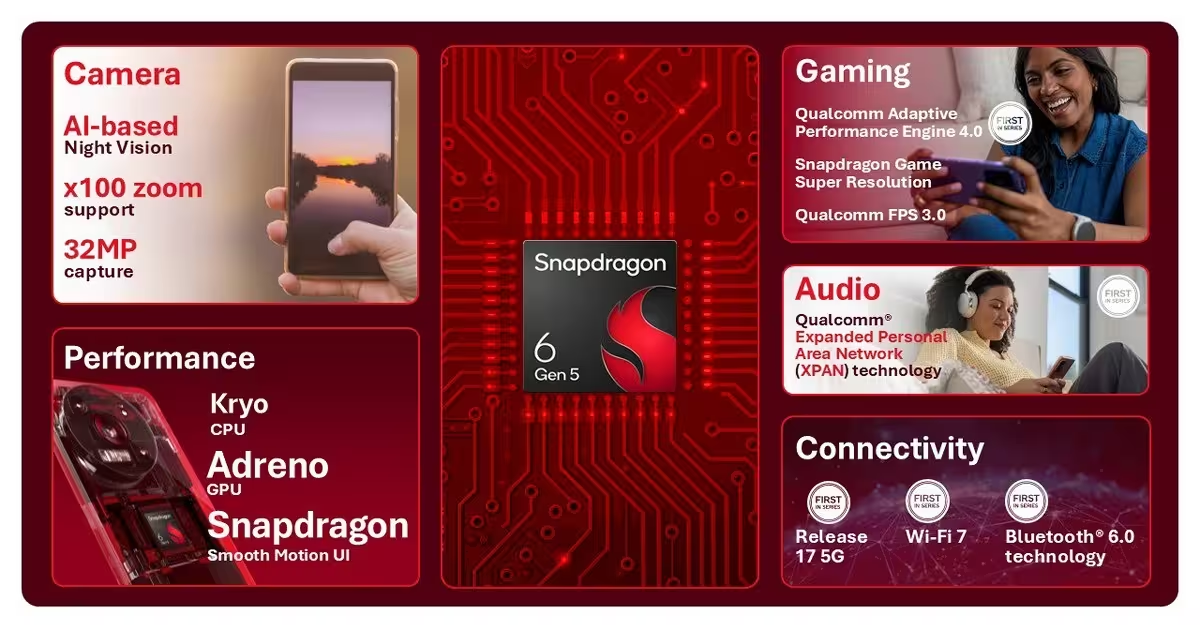
Under the hood, the Redmi Note 17 Pro Max is purported to run on Qualcomm’s Snapdragon 6 Gen 5. The device surfaced in a Geekbench listing under the model Xiaomi 2609FRA74G, showing an 8 GB test unit, but a 12 GB configuration is likely to join the lineup. Storage tiers are expected to be 128, 256 and 512 GB, with the base 128 GB using UFS 2.1 and the higher capacities adopting UFS 4.0. The unit in the benchmark ran Android 16.
- Display: 6.83 inches, 1,280 x 2,772 px, 120 Hz, 3,500 nits
- Front camera: 32 MP in-display
- Rear cameras: 50 MP main + 8 MP ultra-wide
- Battery: 9,210 mAh with 100 W fast charging
- SoC: Snapdragon 6 Gen 5, up to 12 GB RAM
- Storage: 128/256/512 GB (UFS 2.1 / UFS 4.0)

There are comparative quirks across regions worth noting. Global Redmi Note 17 variants reportedly trade slightly smaller batteries for extra camera hardware in some cases — the global vanilla model adds an 8 MP ultra-wide and upgrades the selfie cam to 16 MP, while China and India got different balances of screen size and cell capacity. The plain Note 17, for instance, stretches to a 7 inch display but comes with a smaller 8,000 mAh or 7,700 mAh battery depending on region.
Leaks also hint at pragmatic storage choices: UFS 2.1 for the 128 GB unit, while 256 and 512 GB versions jump to UFS 4.0. If accurate, this could create noticeable real-world differences in app loading and file transfer speeds between tiers.
Price whispers exist, but the picture is incomplete. Insiders expect multiple configurations for the Max, including the rumored 12 GB RAM option, and regional pricing will probably reflect both the hefty battery tech and the faster charging solution. Expect Xiaomi to position the Max as a battery champion rather than a compact flagship — a phone for users who prize uptime above all.

Whether the Pro Max carves a new niche in the mid-range space depends on execution. A massive cell and rapid charging are great on paper, but heat control, charging efficiency and battery longevity will decide if the Max is merely bold or genuinely better. For now, the leaks make one thing clear: Xiaomi is leaning into endurance as a competitive advantage, and that could reshape expectations for everyday smartphones.

“I love exploring gadgets, apps, and trends that redefine how we connect, work, and play in a digital world.”

Discussion
Leave a Comment
Comments (2)
Wow battery like a brick, finally no midday panic! 230g though, that’s gonna feel chunky in the pocket, right?
Wait 9,210 mAh and 100W? Sounds wild but heating and longevity are my real worries... anyone actually tested this?