
London, July 22. The stage is set for another Galaxy Unpacked and Samsung has already signaled more than a new phone — it hinted at a wider foldable, the Galaxy Z Fold8, and a vision of AI that aims to belong in your life rather than just in the cloud.
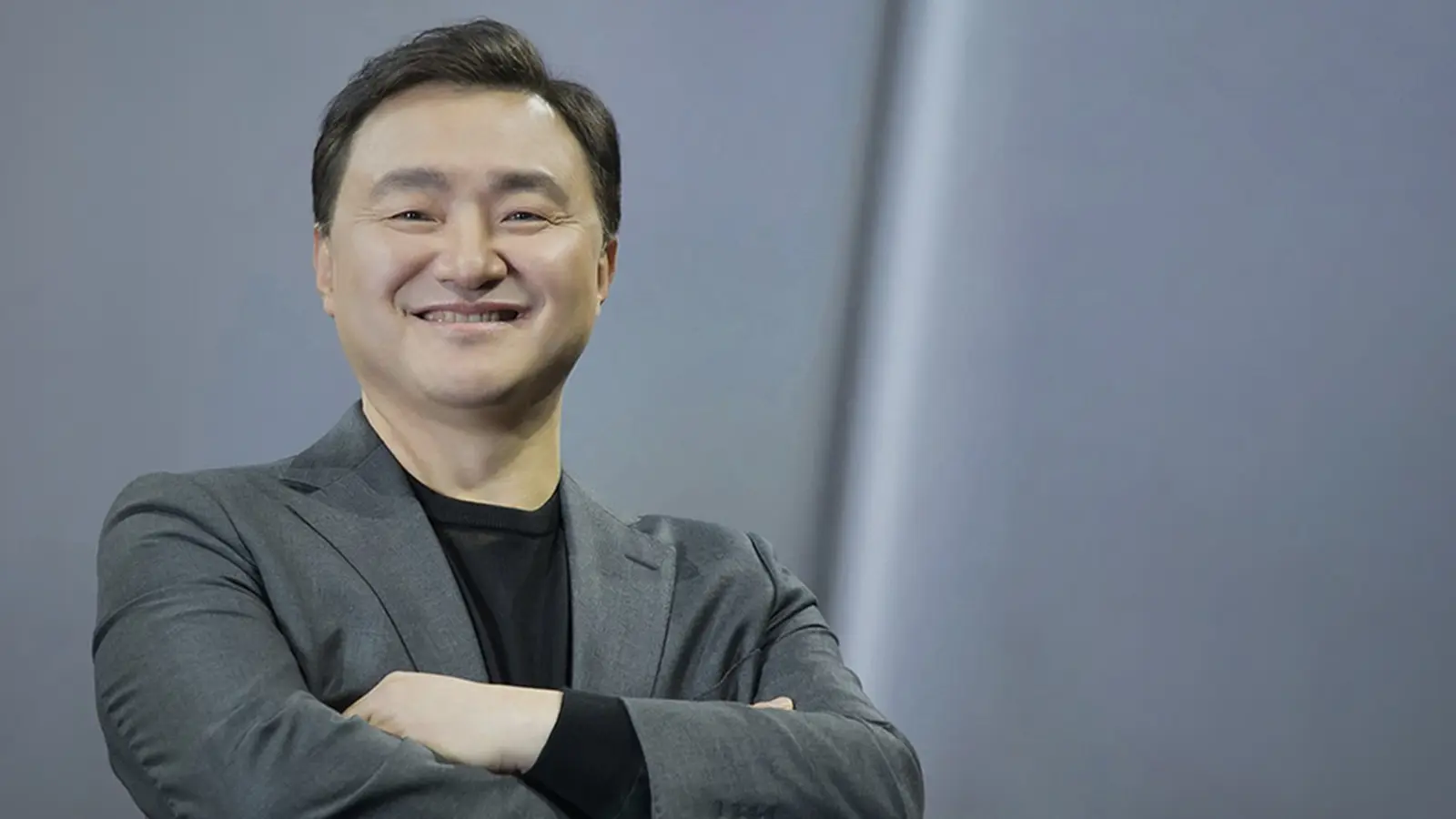
TM Roh, Samsung Electronics' CEO and president, recently laid out that vision in an editorial titled 'AI Doesn’t Need To Outthink You. It Needs To Understand You.' His point is simple but easy to miss: intelligence is only useful when it fits the person it's meant to help.
Small sensors, big patterns
Think about the data your devices already gather: a wrist that notes restless sleep, a phone that senses your location, a smart fridge that remembers what you bought. Alone, each datapoint is a clue. Together, they sketch routines, stresses, and preferences. Roh paints a future where that network — Samsung's SmartThings and the wider device ecosystem — turns clues into helpful nudges. Sleep tracked by your watch could shape tomorrow’s calendar. A TV habit could inform content recommendations. It’s practical, not magical.

The editorial also pushes beyond today's passive AI. Samsung says we're entering an agentic era: systems that can take actions on your behalf. That raises obvious questions. Who decides? Who stays in control? Roh answers them bluntly: the user stays in control. AI might suggest or act, but people must always have the final say and clear visibility into what the system is doing.
Security shows up as the backbone of this pitch. Samsung's Knox platform gets a prominent mention because protecting data isn't just a compliance checkbox here — it's the difference between trust and rejection. Roh stresses that the most sensitive information should stay on-device whenever possible, while Knox protects data as it moves between hardware. It's a way to promise convenience without handing privacy away.
Phones remain central to this blueprint. They sit closest to us and act as the primary portal for AI interaction. Foldables? They’re more than a gimmick. A larger, pocketable canvas changes how you work, consume, and connect with contextual AI experiences.

But the story isn't limited to phones. Smartwatches pull continuous health signals. Home devices — from TVs to kitchen appliances — provide ambient context. New form factors, like smart glasses, are teased as the next frontier for hands-free, always-aware assistants. The implication is that AI will be woven into objects we already trust, making interactions feel less like commands and more like collaboration.
Who wins the next era of AI? According to Roh, it won't be the company with the most complex model. It will be the one that understands people best and converts that understanding into experiences people can trust. That is Samsung's bet: not raw intelligence, but human-centered intelligence, delivered across a familiar constellation of devices.
Expect to hear more at Unpacked. The product reveals will matter, but the real story is how those products anchor a more personal, agency-respecting kind of AI.


“I love exploring gadgets, apps, and trends that redefine how we connect, work, and play in a digital world.”

Discussion
Leave a Comment
Comments (2)
Is this even true? on-device AI is the line they sell, but who audits the models, who gets to opt out, and will apps still siphon my data? if thats solved then ok, i'm curious.
wow didnt expect that, a foldable might actually be useful now. Samsung talking about on-device AI sounds cool, but privacy hype or real change? gotta see the Unpacked demos