
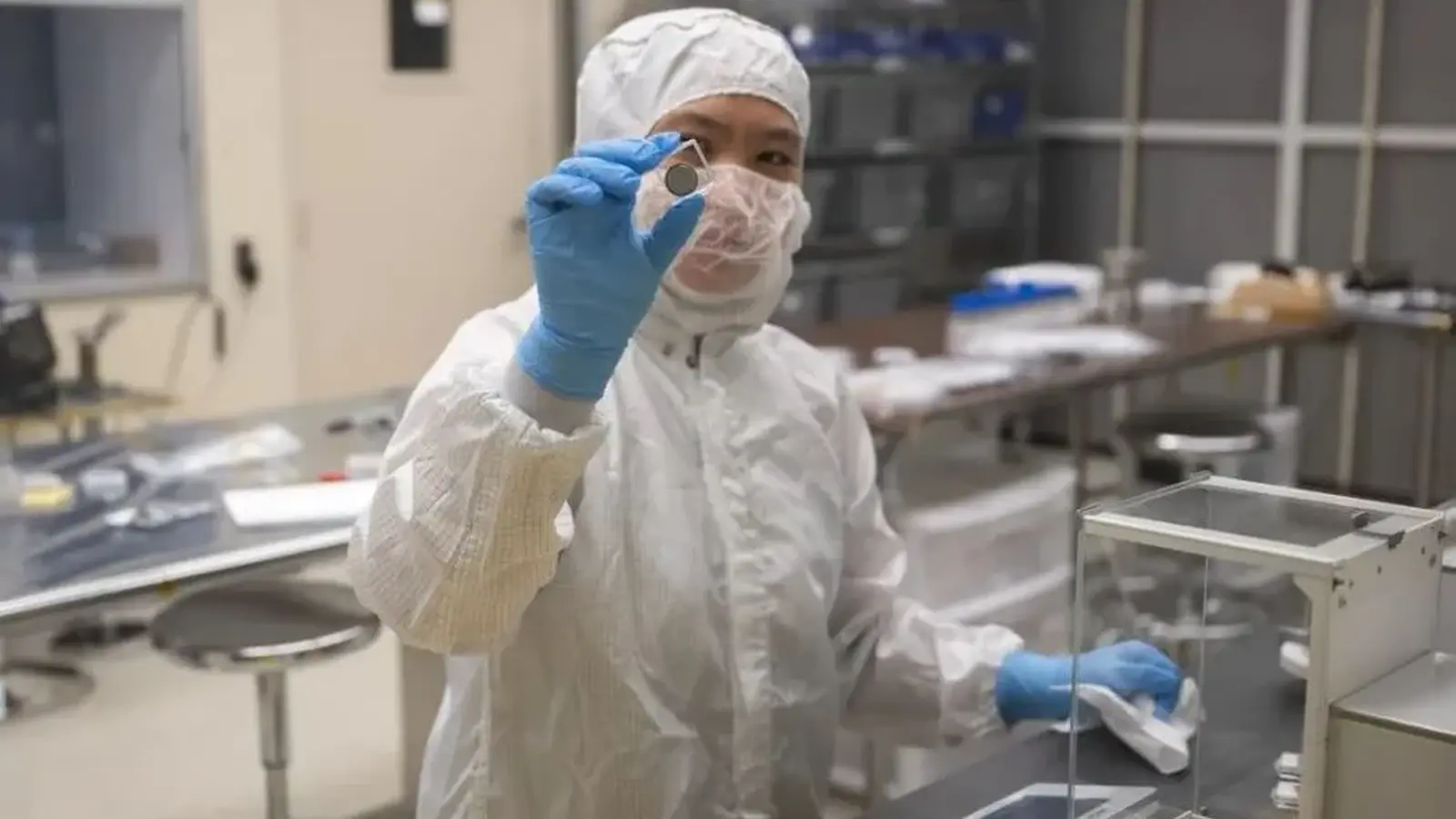
Imagine standing at the Moon's south pole as the sun slips away and temperatures plunge. The landscape goes silent. Metal cools until it hurts to touch. Instruments go dark. Human missions cannot afford that silence. They need power that withstands extremes most batteries would not survive.
NASA's SPEARS program—short for Stable Power for Extreme and Remote Space environments—aims to change that. The goal is straightforward but hard: deliver safe, reliable energy that keeps rovers, habitats and astronauts operating through the brutal thermal swings of lunar nights and permanently shadowed craters.
Why conventional batteries fail where SPEARS must succeed
Standard lithium-ion cells rely on liquid electrolytes. Those liquids freeze at very low temperatures and can evaporate in vacuum, degrading performance or destroying cells. High heat is another enemy; hot cycles accelerate wear and can trigger hazardous failures. On the Moon, night temperatures near the south pole can dip toward minus 200 degrees Celsius, and exposed hardware may face rapid shifts between near +100 and extremely low values.
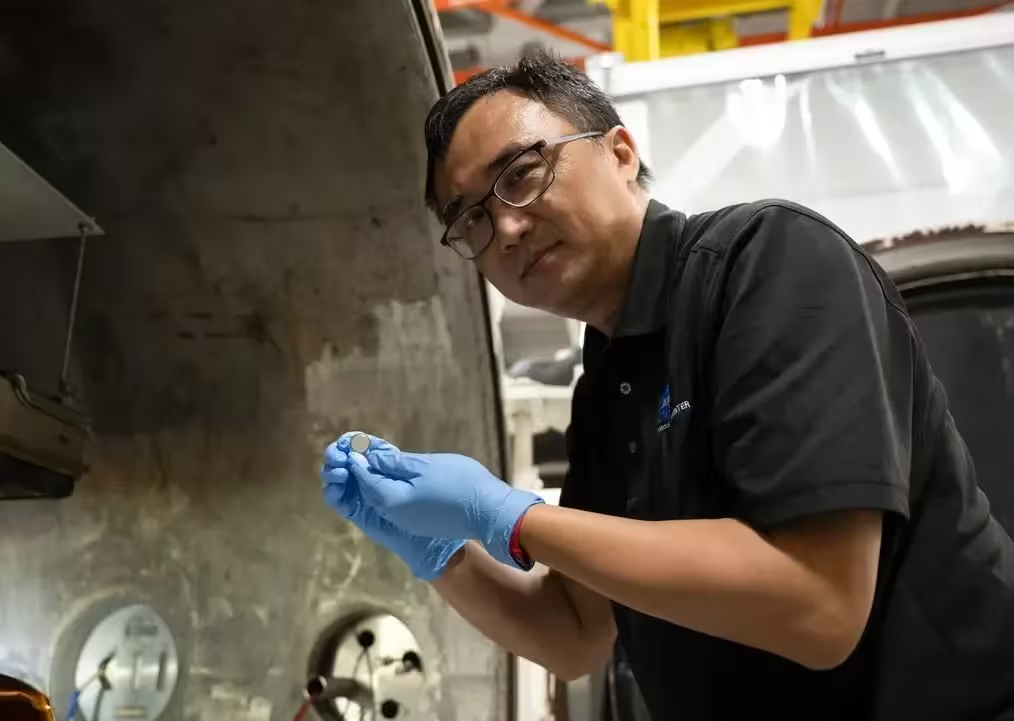
SPEARS pivots to solid electrolytes—ceramic or polymer materials that stay solid instead of liquefying or boiling away. Solid-state designs reduce some of the mechanical weaknesses and safety risks of liquid-based cells, offering better tolerance to large temperature swings and the vacuum environment of space.
Field tests and what they mean
At Langley Research Center, NASA engineers pushed prototype SPEARS cells through a battery of thermal tests. Cells operated well at temperatures as high as +80 degrees Celsius and continued to function acceptably at around minus 60 degrees Celsius. Performance dipped at roughly minus 80 degrees Celsius, but crucially, the units did not suffer permanent damage when cycled between roughly +100 and minus 170 degrees Celsius.
That last point is important. The prototypes do not run unattended at deepest cold; they need modest heaters to warm them into an operational window after exposure to extreme lows. Still, because the batteries can survive those extremes without catastrophic failure, mission designers can reduce the size and weight of active thermal-control systems. Less mass means lower launch costs and more payload capacity for science or life support.
Adaptable chemistry for mission needs
Researchers can also vary electrode materials to tune SPEARS cells for higher energy, greater power output, or longer lifetime depending on the application. A drill left in a permanently shadowed crater will have different needs than a pressurized rover or an emergency power pack for a crewed lander.
"Our objective is resilience," says Yi Lin, who leads NASA's lunar battery testing. "We want cells that survive the worst the Moon can throw at them and still deliver usable energy when crews or instruments need it most."
Potential uses include drilling rigs in dark craters, lunar rovers that traverse extreme terrain, astronaut emergency packs, and long-lived science platforms. And back on Earth, rugged solid-state batteries could find roles in cold-region vehicles, drones, and communications equipment.
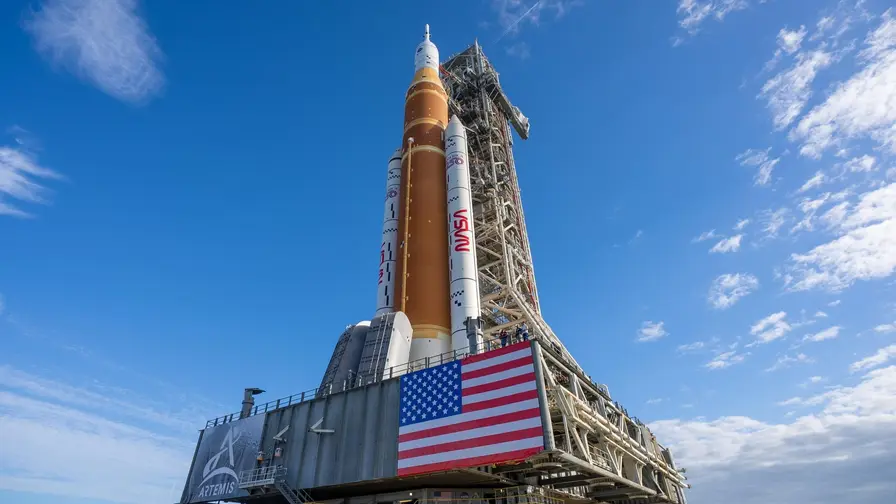
Developing batteries that tolerate the Moon’s thermal cruelty won’t solve every challenge of long-duration lunar presence. But it removes a major constraint. With more robust power storage, architects of Artemis-era missions can design lighter habitats, extend surface operations, and explore regions once considered off-limits because of their cold.

“The cosmos has always fascinated me. I write about space missions, astronomy, and the technologies pushing humanity beyond Earth.”

Discussion
Leave a Comment
Comments (2)
Is this even true? Survived -170C but still needs heaters to wake up, sounds like extra kit to lug around. Are we just shifting complexity, or is there real long term vacuum data? curious
Wow, lunar nights sound brutal, but solid batteries could be a real game changer. If heaters stay small, that’s huge. Curious about cycle life and how they age after repeated deep cold tho