
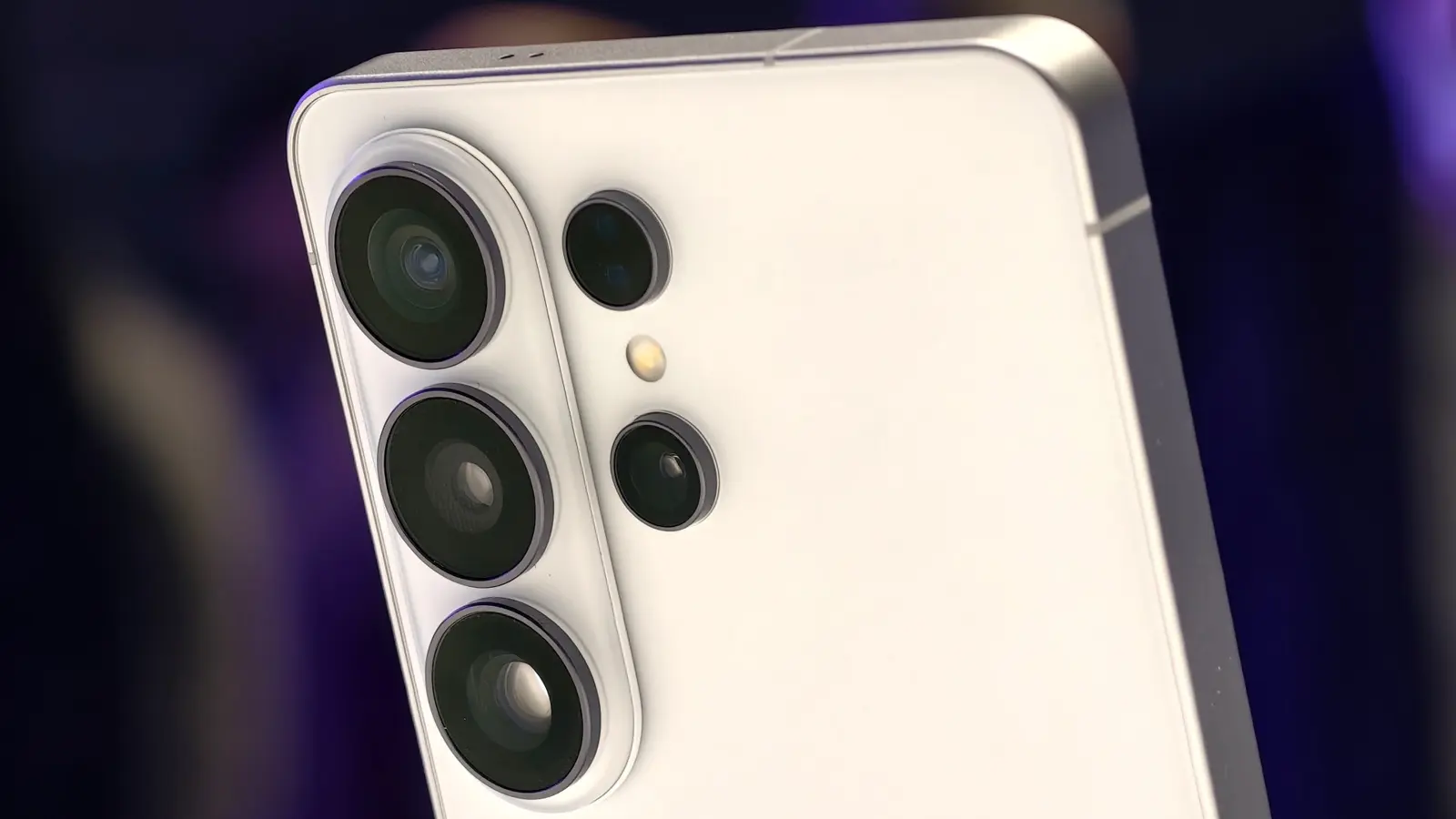
Open a camera module and you’ll find a tiny, crowded world. Lenses stacked millimeter by millimeter. Every micrometer matters. Samsung’s quiet fix for that squeeze is simple in concept and clever in execution: print a matte ink coating directly onto a lens layer instead of bonding a thicker anti-reflective film.
A small change with room for big gains
This technique first appeared on the Galaxy S26 Ultra. Now, sources inside Samsung Electronics and Samsung Electro-Mechanics say the company will widen its use on the Galaxy S27 Ultra, applying the inkjet-printed matte to one layer inside each of the three rear camera modules. The chosen layers are the L3 Tele, L3 Wide, and L6 Wide. Only a single layer per module receives the ink treatment; the rest keep conventional film. That selective mix helps engineers juggle optical quality, production yields, cost, and long-term reliability without overcomplicating assembly.
Why bother? Anti-reflective films are effective at taming flare and ghosting, but they add thickness inside an already cramped lens stack. Inkjet-printed matte ink does the same light-suppressing job while shaving off millimeters. A few micrometers freed up inside a lens sounds trivial until you realize what can be done with that space: improved optical image stabilization, slightly larger lens elements, or a less aggressive camera bump on the phone’s back plate.

There’s also a manufacturing angle. Inkjet application is precise and repeatable. It eliminates some handling steps tied to films and can reduce variation between units. For a flagship where camera performance is a headline feature, tighter control in production translates into more predictable results in the final image.
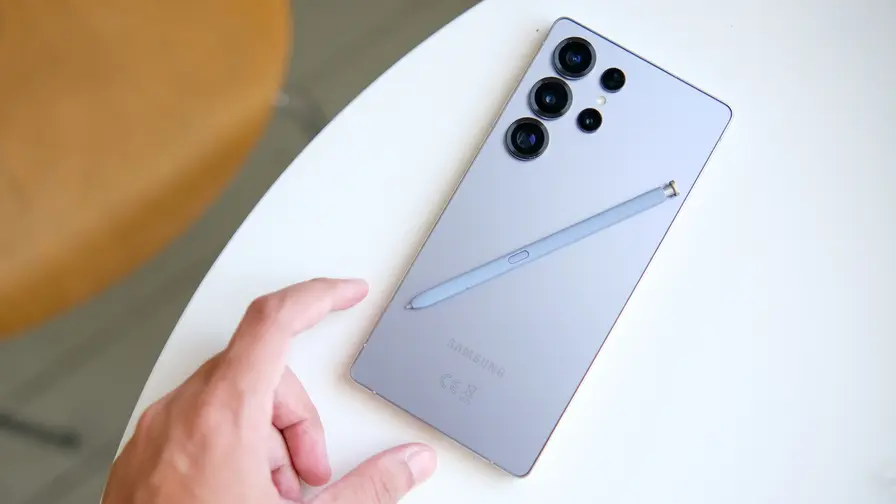
Hardware details reported for the S27 series give this refinement context. The S27 Ultra is expected to move to a simpler triple rear-camera setup: a 200-megapixel main sensor, a 50-megapixel ultrawide, and a single 50-megapixel 5x periscope telephoto, with the 3x telephoto being removed. The Galaxy S27 Pro may pair that same main and ultrawide with a 12-megapixel 3x telephoto instead. Both phones are said to use a 16-megapixel front camera.
The inkjet move isn’t flashy. It won’t appear in spec charts. But it’s the kind of incremental engineering that changes real-world snapshots: cleaner highlights, fewer stray flares, steadier stabilization. It’s about making the optics do more without asking for more space.
Even a few micrometers can change how a phone takes a picture.
Expect more of these subtle manufacturing shifts as phone makers chase better images from ever-tighter hardware budgets. For Samsung, inkjet printing is one practical lever among many—small, precise, and increasingly useful as sensors grow larger and expectations keep rising.

“I love exploring gadgets, apps, and trends that redefine how we connect, work, and play in a digital world.”

Discussion
Leave a Comment
Comments
No comments yet. Be the first.