
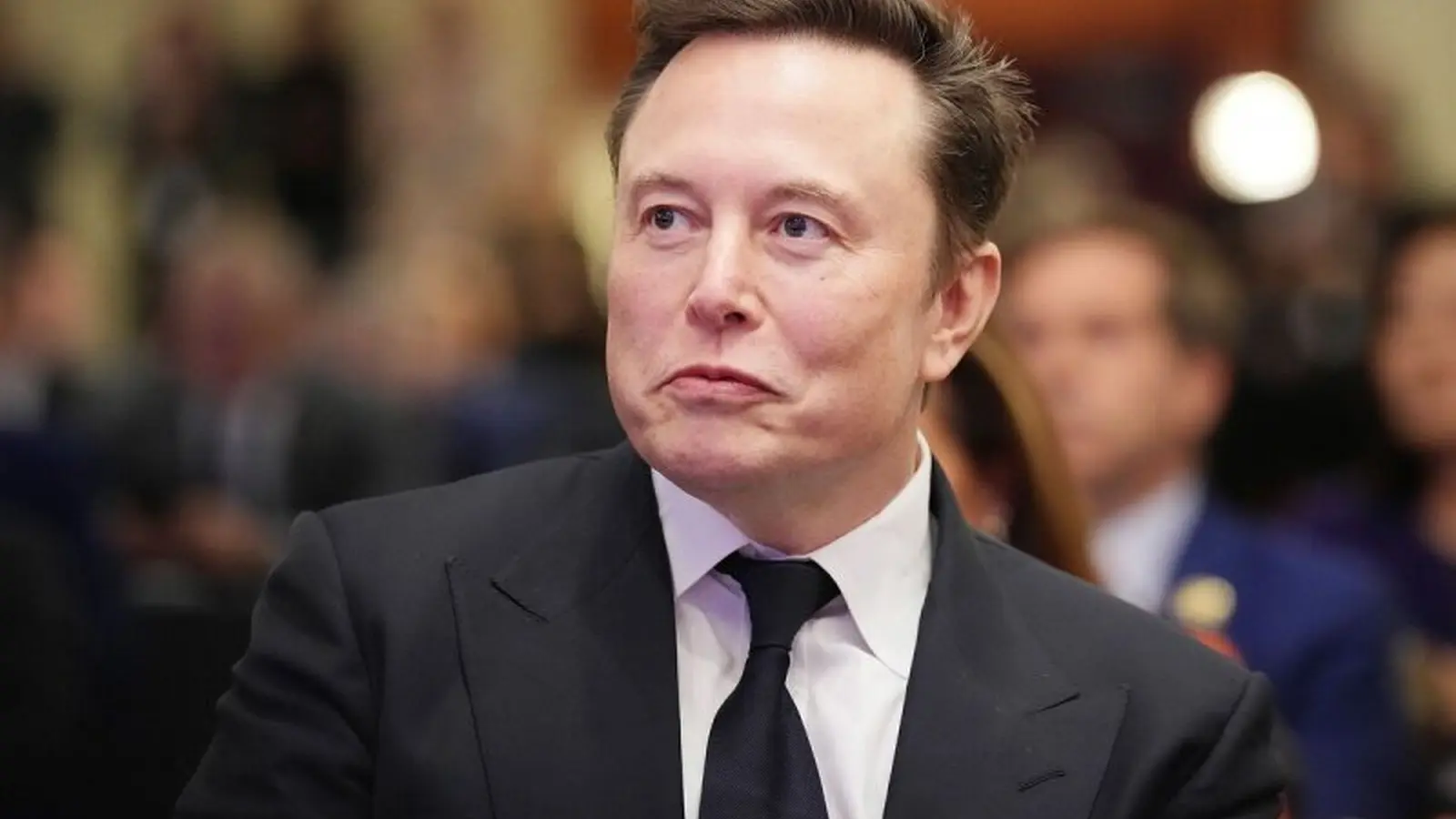
Engineers at SpaceXAI are counting down to a quiet but consequential milestone: the initial training run of a two trillion-parameter neural model will wrap up next week. Elon Musk confirmed the figure and framed the update as more than a numbers game.
Grok 4.5 built a reputation on speed and token efficiency. It was cheap to run for many real-world tasks, and that made it useful beyond lab demos. Now SpaceXAI says the successor keeps that operational thrift while ramping up raw scale. The promise is bold: better overall performance without the usual hit to latency or token cost.
Scaling with discipline
Scale often introduces trade-offs. Bigger models can be slower and costlier to query. So the claim that SpaceXAI’s new model will preserve Grok 4.5’s token-efficiency is the headline here. If true, it narrows a critical gap: how to deliver higher capability at a sustainable inference cost. Does scale alone win the race? Not usually. But combining scale with engineering that preserves inference economics could move this from an incremental step to a strategic advantage.

Musk also suggested the new model might outpace China’s Kimi. That sets up a straightforward competitive narrative, but the technical point matters more: performance in benchmarks and real tasks, throughput during heavy loads, and token consumption at scale will determine who actually wins adoption.
Practical users care about three things: accuracy, speed, and cost. Grok 4.5 scored well across all three. SpaceXAI’s current project aims to lift accuracy and capability while holding the line on speed and token use. In other words, smarter, not just bigger.
What will this mean outside marketing copy? Faster, more capable models can enable richer assistants, better code generation, and more reliable content understanding at scale. For enterprises, that translates to lower latency in customer-facing apps and reduced cloud bills. For researchers, it opens doors to exploring emergent behaviors at higher parameter counts without crippling compute overhead.
The key takeaway: if SpaceXAI maintains Grok 4.5’s efficiency while scaling to two trillion parameters, the industry will have a model that is both powerful and practical.
Of course, promises meet reality in deployment. Final performance will show up in peer evaluations, real-world benchmarks, and how the model behaves across different prompts and workloads. Expect scrutiny on safety, hallucination rates, and how the model handles long-context reasoning.
What to watch next week: confirmation that initial training finished, sample benchmarks comparing the new model to Grok 4.5 and Kimi, and early reports on inference latency and token consumption in production-like settings. Those data points will turn a bold claim into a useful signal for engineers, product teams, and AI researchers worldwide.

“I love exploring gadgets, apps, and trends that redefine how we connect, work, and play in a digital world.”

Discussion
Leave a Comment
Comments
No comments yet. Be the first.