
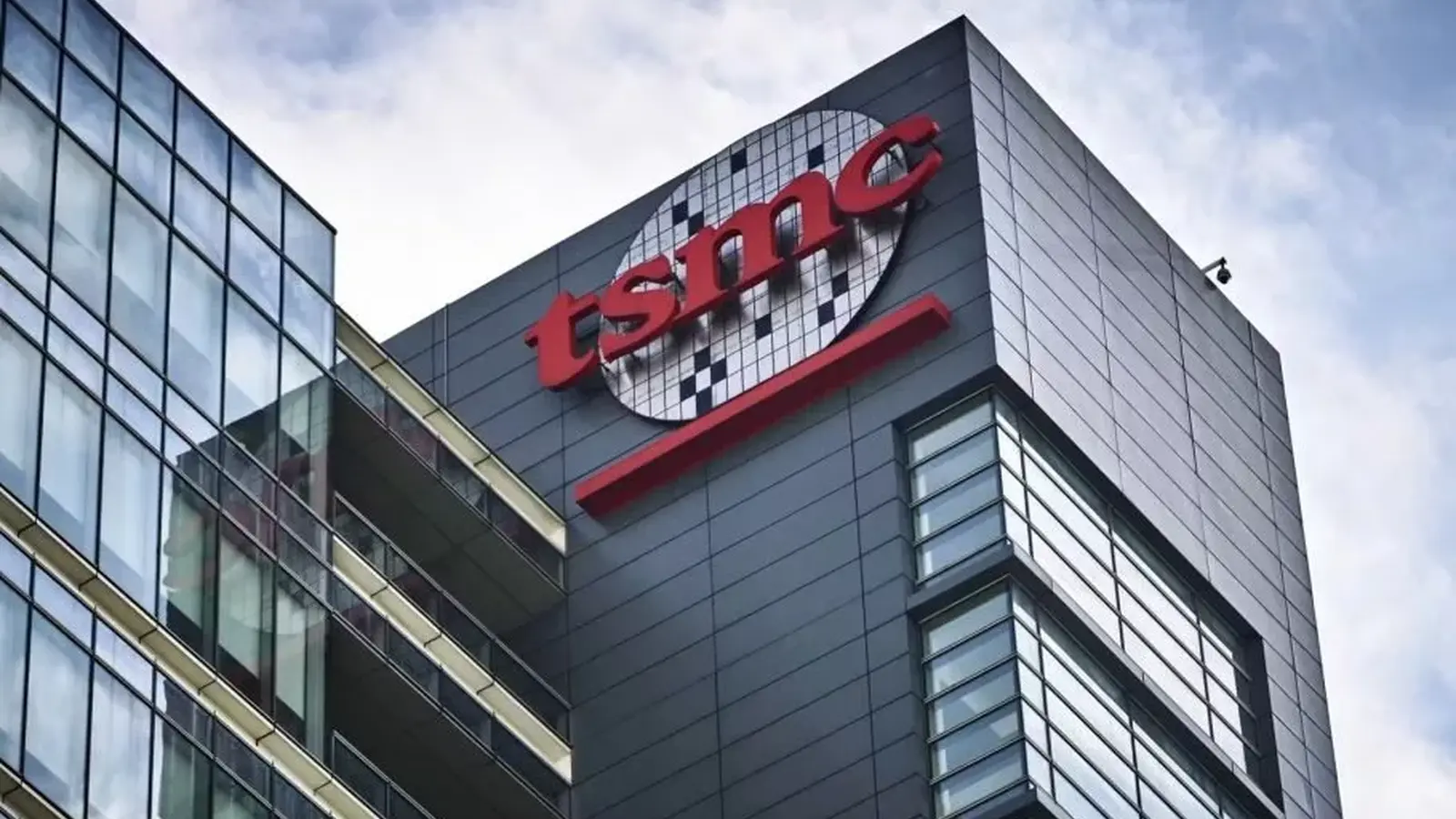
Cranes, scaffolding and a fast-moving construction schedule: Taichung is quietly shaping up to be the stage for TSMC's next major leap in chip manufacturing. The company’s 1.4 nanometer node, marketed as 14A, looks set to hit trial production in spring 2027 and ramp to volume months later.
Taichung’s new fabs move from blueprint to reality
Construction at the new 14A complex began last October. The site will house four production units; the steel frame of the first unit is already in place and crews are working on floors and walls. If current progress holds, that first building should be finished by early next year.
Trial runs are expected in April 2027, with mass production ramping in the second half of 2027.
The second facility, known as P2, is still rising through its steel phase. Local officials say P2 could be fully completed by October next year, assuming no delays. Taken together, the two initial fabs could begin volume output around October 2027, pushing TSMC’s schedule notably earlier than previously predicted.
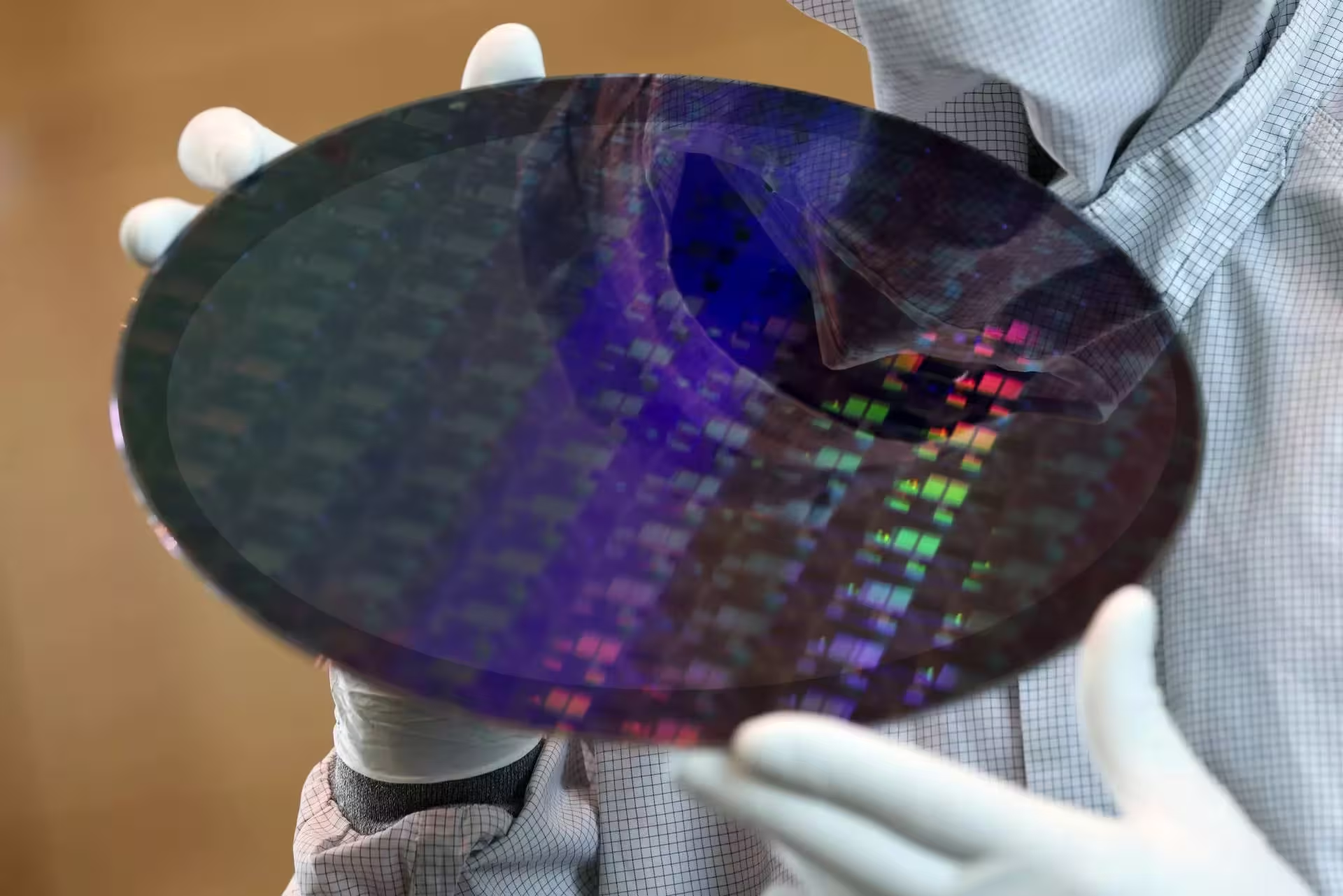
That earlier schedule trims about a year off prior expectations, which had targeted 2028 for full-volume 14A production. Projects for the third and fourth fabs are less advanced. TSMC has secured a permit for the third plant and is still working through approvals for the second. Authorities expect those later facilities to wrap in 2028, staggered by roughly six months.
Industry watchers will also note a bigger number behind the buildings. The reported investment for this cluster is about €45.6 billion, a major bet on next-generation scaling and capacity expansion.
Why does this matter? Because 14A is intended to succeed TSMC’s 2 nanometer family, offering another node to push performance and power efficiency for high-end mobile, servers and AI accelerators. Moving that roadmap forward by months could affect supplier timetables, customer product launches and global chip supply chains.
Reports earlier this summer suggested trial runs could begin as early as the third quarter of 2027. The new timeline tightens that window and raises the stakes for both construction crews and process engineers working to put a new node into production on an accelerated clock.
For now, the story is still one of frames and foundations morphing into silicon-capable plants. Keep an eye on Taichung: when those furnaces warm up, the semiconductor world will be listening.


“I cover emerging technologies, digital innovation, and the intersection of tech and everyday life. My goal is to make complex trends accessible and inspiring.”

Discussion
Leave a Comment
Comments
No comments yet. Be the first.