
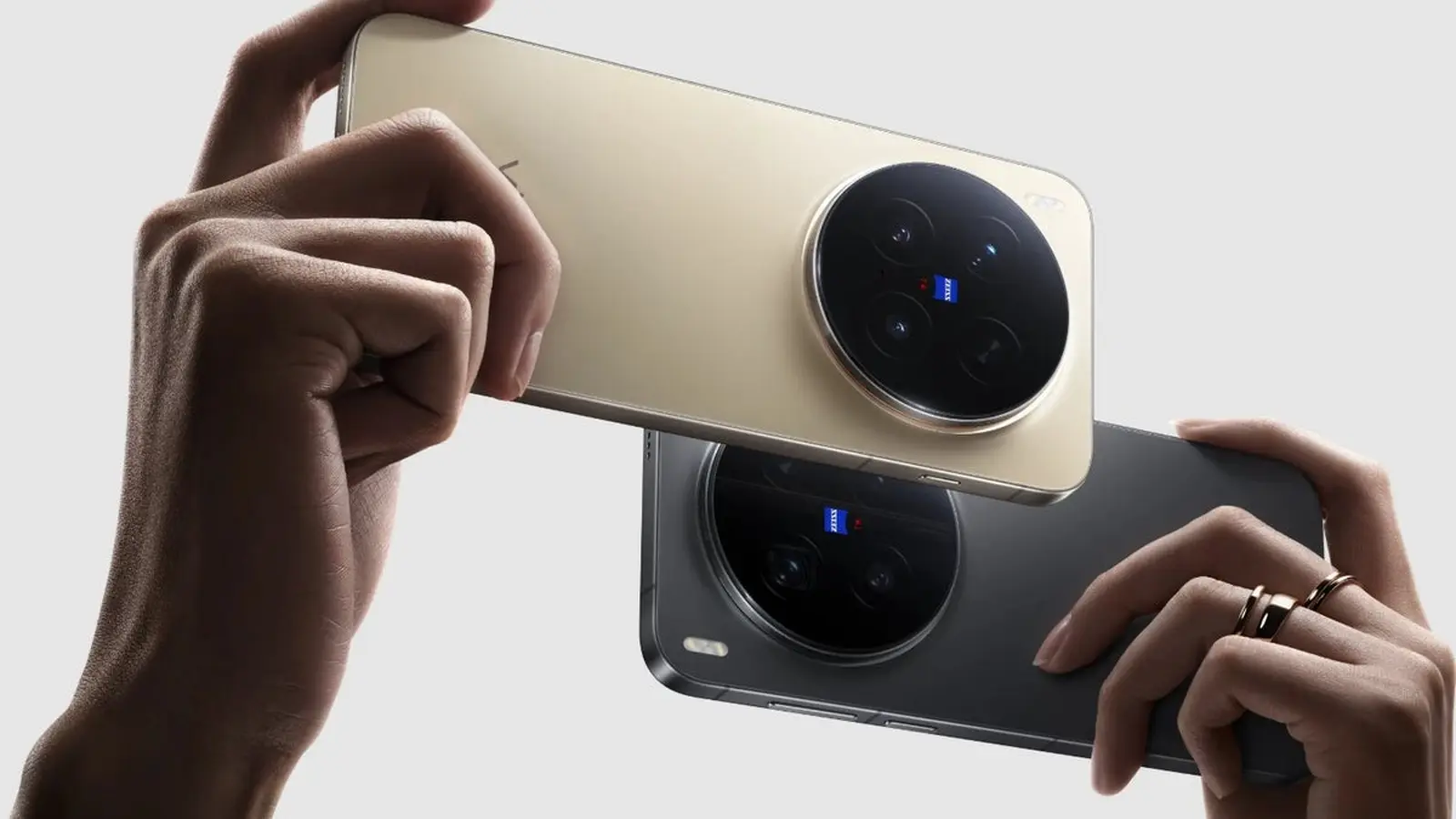
Picture engineers in a lab like watchmakers, swapping tiny glass and silicon, listening for the one click that promises better zoom, less bulk, and cleaner night shots. That’s the scene behind the latest tip: Vivo hasn’t locked the X500 Ultra’s telephoto camera yet. Instead, it’s running three different 200-megapixel periscope concepts head to head.
Three sensors, three philosophies
Leaker Digital Chat Station says Vivo is evaluating 200MP periscope sensors in three sizes: 1/1.12-inch, 1/1.3-inch, and 1/1.4-inch. Each size brings a different argument to the table. The 1/1.12-inch chip is the boldest—more surface area to capture light, which matters when you’re pushing focal length and demanding clean details from far away. But bigger sensors force trade-offs: bulkier camera modules, more complex internal design, and potentially a thicker phone.
The 1/1.3-inch and 1/1.4-inch options are more conservative. They promise much of the imaging advantage without asking designers to remake the chassis. In short: better equilibrium between image quality and phone ergonomics. Vivo’s engineering team is apparently measuring those trade-offs very carefully. Which matters more: top-tier telephoto fidelity or a phone that still slides into a pocket without drama?

There’s context here. Back in June, the same leaker suggested Vivo had quietly abandoned a dedicated 10x periscope prototype for the X500 Ultra. The plan appears to have shifted toward a single 200MP periscope camera paired with in-sensor zoom techniques rather than a separate long-range lens. That approach can simplify hardware while leaning on smart processing to extend reach.
So what should readers expect? Expect iteration. Expect choices. Vivo seems determined to pick a camera stack that balances real-world use—zoom that’s actually usable day to night—against manufacturing realities. Final specs could still change before mass production.
Timing-wise, the X500 Ultra is not coming tomorrow. Sources point to a window in the first half of 2027 for a China and global unveiling. Until then, the sensor swap meets continue. And for anyone who cares about mobile photography, that slow, exacting work is the reason the next phone might finally close the gap between optical ambition and everyday practicality.

“I cover emerging technologies, digital innovation, and the intersection of tech and everyday life. My goal is to make complex trends accessible and inspiring.”

Discussion
Leave a Comment
Comments
No comments yet. Be the first.