
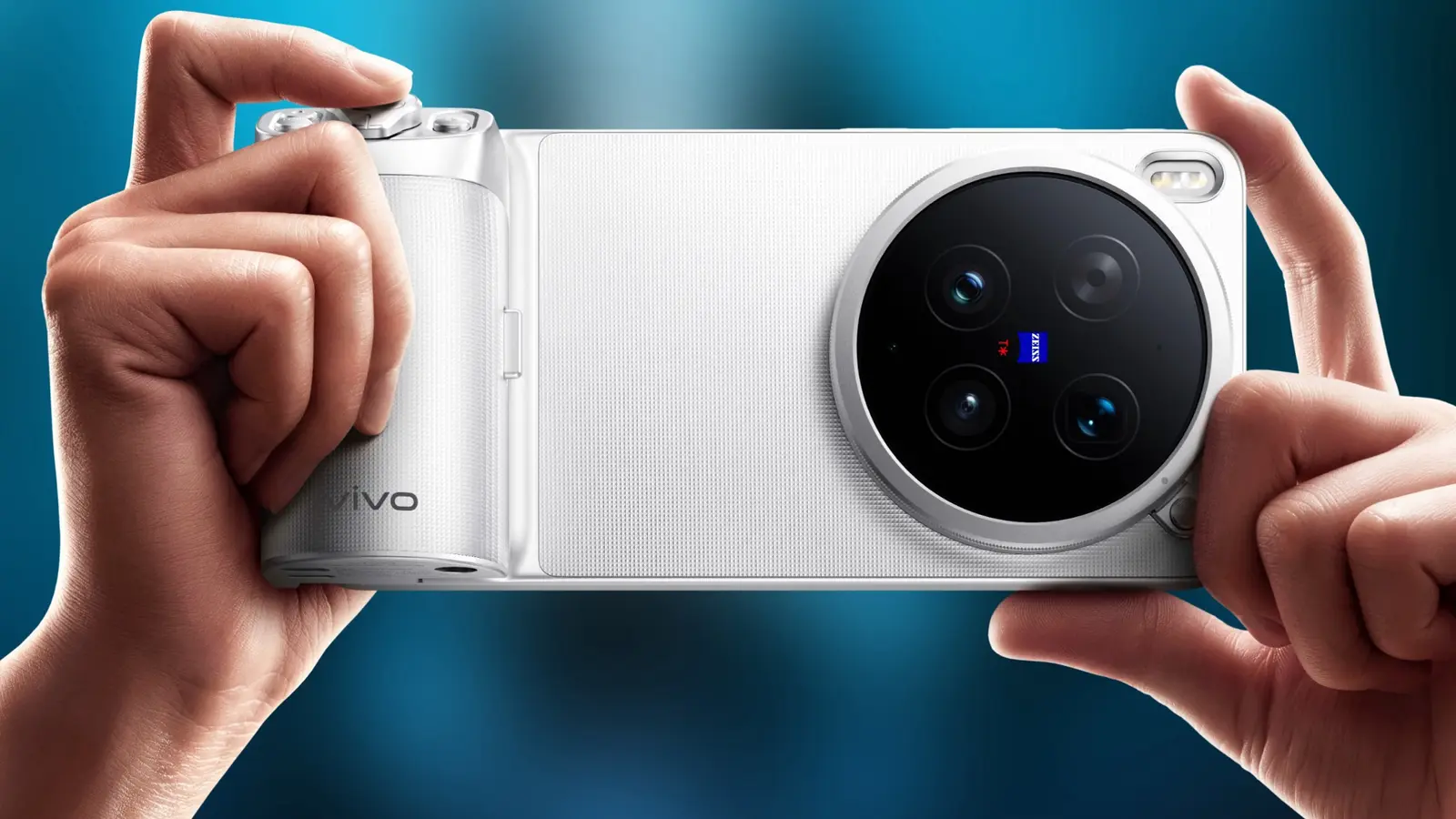
Spotlights, a far-off bird, a soccer play unfolding at the other end of the stadium. Photography often hinges on one thing: reach. Vivo is pushing that boundary with two very different telephoto visions, and the leaks arriving ahead of the September China launch make one thing clear — the X500 generation is obsessed with distance.
Company teasers and posters from Vivo’s product lead have peeled back the curtain on the X500 Pro and X500 Pro Max periscope systems. Three models will debut — X500, X500 Pro, and X500 Pro Max — but it’s the Pro siblings that matter to anyone weighing pixel promises against real-world utility.
Two lenses, two philosophies
The X500 Pro Max goes big on resolution. It packs a 200-megapixel Zeiss APO super telephoto built around a 1/1.4-inch BluePrint paired with Samsung’s HP0 sensor, the same sensor combo Vivo used in the X300 Ultrah. The headline here is hardware-based 4x ISZ, which lets the system deliver two stages of lossless zoom while preserving the fine detail a 200MP sensor can capture. Vivo also outfits the phone with a 400mm telephoto extender, CIPA 7.0-rated stabilization, and what the company calls a Super Capture Engine that supports up to 30x framing. Fast-moving performers, skittish pets, distant wildlife — the Max is tuned to freeze motion and maintain detail across a huge stretch.

By contrast, the X500 Pro takes a more surgical approach. It uses an 85mm Zeiss 64MP APO telephoto module built on a BluePrint design with Sony’s LYTIA 610 sensor. What makes this one oddball and intriguing is the pixel layout: a hybrid mix of GG 1x1 and RB 2x2 structures. The idea is to get the resolving punch of a 1x1 matrix with the autofocus and light-gathering benefits of a 2x2 pattern. Vivo says this iteration refines the APO work from the X100 Pro while shrinking the optical footprint, giving you full 64MP detail plus generous room for digital cropping.
- X500 Pro Max: 200MP Zeiss APO, 1/1.4-inch BluePrint + Samsung HP0, 4x ISZ lossless stages, 400mm extender, CIPA 7.0 stabilization, up to 30x capture.
- X500 Pro: 85mm 64MP Zeiss APO, BluePrint + Sony LYTIA 610, hybrid GG 1x1 and RB 2x2 pixel layout, CIPA 7.0 stabilization, improved AF/tracking, 4K 120fps slow motion and 4K 60fps HDR video.

What does this mean for shooters? If you prize sheer reach and the option to crop aggressively while preserving texture, the Max’s 200MP package is the headline grabber. If you want a more compact telephoto experience that still delivers high-resolution crops, snappier autofocus, and polished 4K video options, the Pro is a sensible middle ground. Both promise professional-grade stabilization and improved tracking, which suggests Vivo focused as much on usable frames as on spec sheets.
There is a broader takeaway beyond megapixels and focal lengths: Vivo is splitting the telephoto problem into two answers — brute force versus refined design. That strategy widens choice for users and raises the bar for handset zoom in general. Expect more detailed testing once samples hit reviewers, especially under low light and fast-action scenarios.
If you need maximum reach and detail, pick the Pro Max; if you prefer a balanced telephoto with nimble autofocus and video chops, go with the Pro.
Which route would you take: maxed-out distance or a smarter, shorter lens that still gets the job done?

“I love exploring gadgets, apps, and trends that redefine how we connect, work, and play in a digital world.”

Discussion
Leave a Comment
Comments
No comments yet. Be the first.