
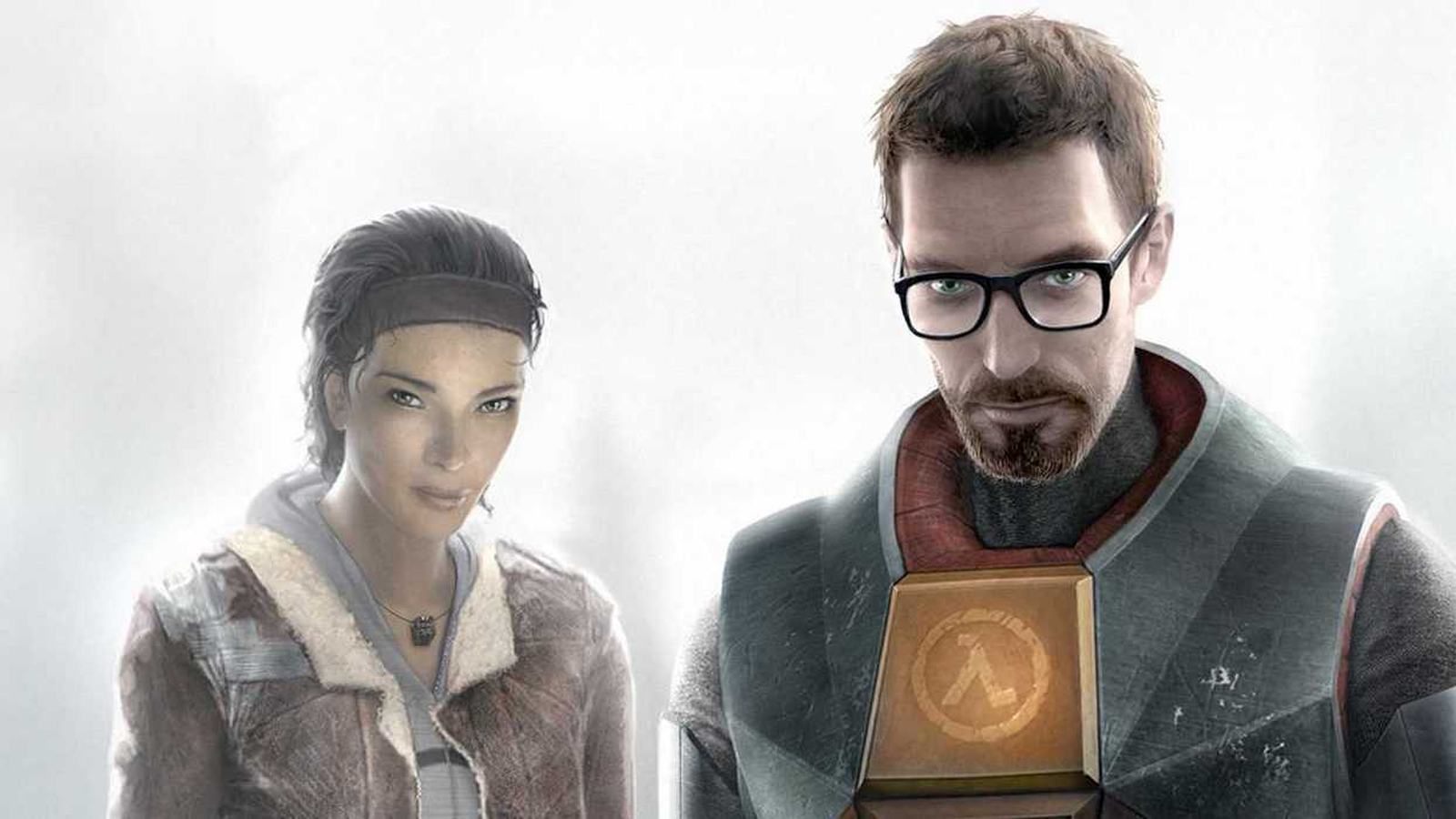
A digital time capsule just opened itself online: a 12-terabyte haul of files from Valve's old Steam2 servers has surfaced, and it reads like a developer's attic—crates of early builds, test assets, and abandoned ideas.
Gamers and preservationists wasted no time. They started combing through folders dated between 2007 and 2011, dragging out beta snippets of Portal 2, early textures, prototype maps, and code fragments tied to projects that never saw the light of day. Among the curiosities are assets linked to a cancelled experiment called F-Stop. Strange. Intriguing. Valuable.
What this cache actually contains and why it matters
The leak isn't a single tidy snapshot. It's a messy, sprawling snapshot of development: versioned builds, alpha-level models, experimental audio, and notes that hint at design choices now lost to time. Some files are complete enough to run. Others are broken up across directories, awaiting a patient hand to stitch them back together.
Will fans find a smoking gun—an early Half-Life 3 prototype? Probably not in the sensational sense. But the archive offers a rare look at how big games evolve, the false starts, the forks in design, the bits that get left behind. Those small detritus pieces can change historians' understanding of a studio's creative path. They can also seed mods, fan projects, and reconstruction efforts that breathe new life into old code.
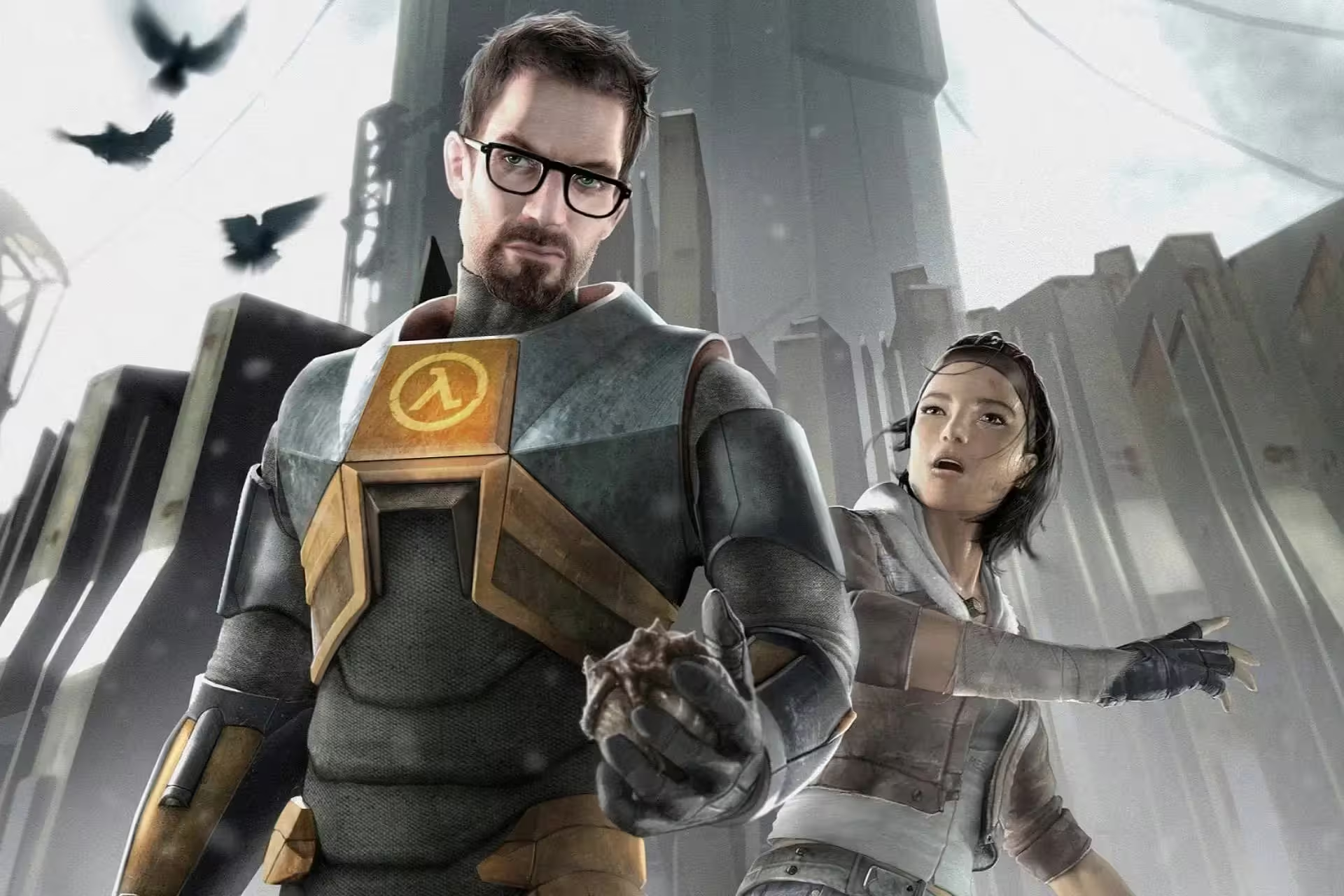
This is more than gossip; it's a forensic window into game development.
Reaction online is predictable and passionate. Threads have sprung up, people are sharing diff logs, recreating levels, and cataloguing filenames. Some are hunting for narrative breadcrumbs. Others are building tools to parse dated formats. The work is slow. It requires patience and a knack for archaeology rather than treasure hunting.
There are ethical questions too. Leaks can preserve work that might otherwise vanish, but they also expose private assets and internal documents. For archivists, the dilemma is real: how to treat leaked material that has historical value but also belonged to a living company with rights and intentions of its own.
Whatever happens next, the discovery underscores one thing: the past of digital entertainment is fragile. Once lost, whole chapters can disappear. When a cache like this surfaces, the community becomes both detective and caretaker, piecing together fragments so future players and researchers can understand how hit games and cancelled experiments came to be.


“I love exploring gadgets, apps, and trends that redefine how we connect, work, and play in a digital world.”

Discussion
Leave a Comment
Comments
No comments yet. Be the first.