
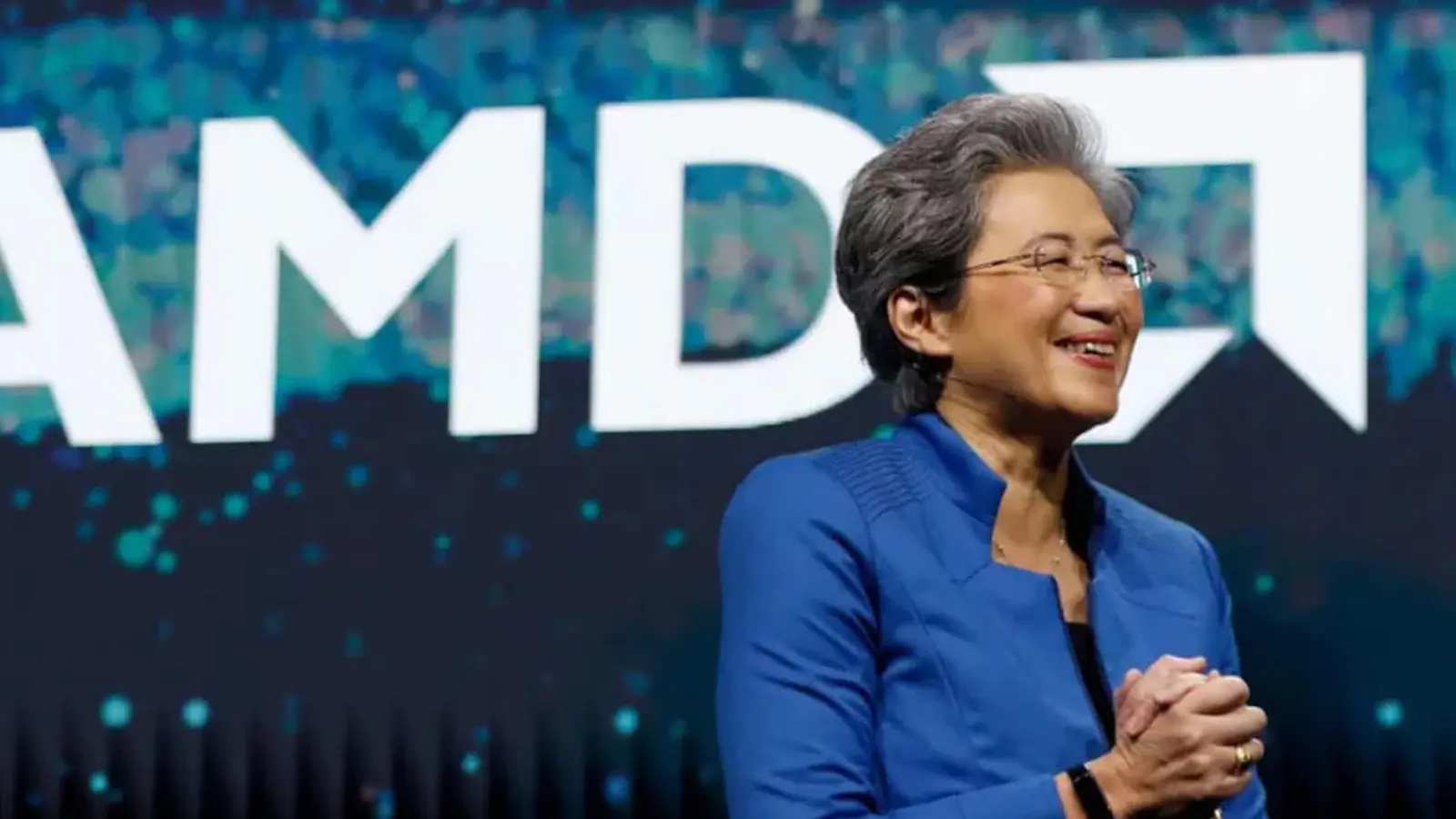
AMD chief executive Lisa Su said the company now considers itself a "datacenter-focused company," and that its production resources are primarily aimed at large datacenters rather than ordinary consumer customers. Su made the remarks in an interview with Brian Sozzi of Yahoo Finance, and they coincided with AMD’s third-quarter 2026 results, a report that showed strong profitability while also setting a concerning tone for the personal-computer market.
Su pointed to artificial intelligence as the clear future direction and said that AI and what she described as superintelligence will become integral to many aspects of life. Commenting on near-term demand for PCs, she attributed softer ordering late in the quarter to higher prices for memory and other components, and offered a direct forecast for next year. "For 2027, we expect and are planning for a double-digit decline in unit shipments in the personal-computer market," she said.
At the same time, Su said AMD intends to rely on its Ryzen processor roadmap and to expand commercial share so the company can outperform the overall market average. That remark likely refers to a planned new Ryzen generation based on the Zen 6 architecture due in early 2027, as indicated by AMD’s product cadence.
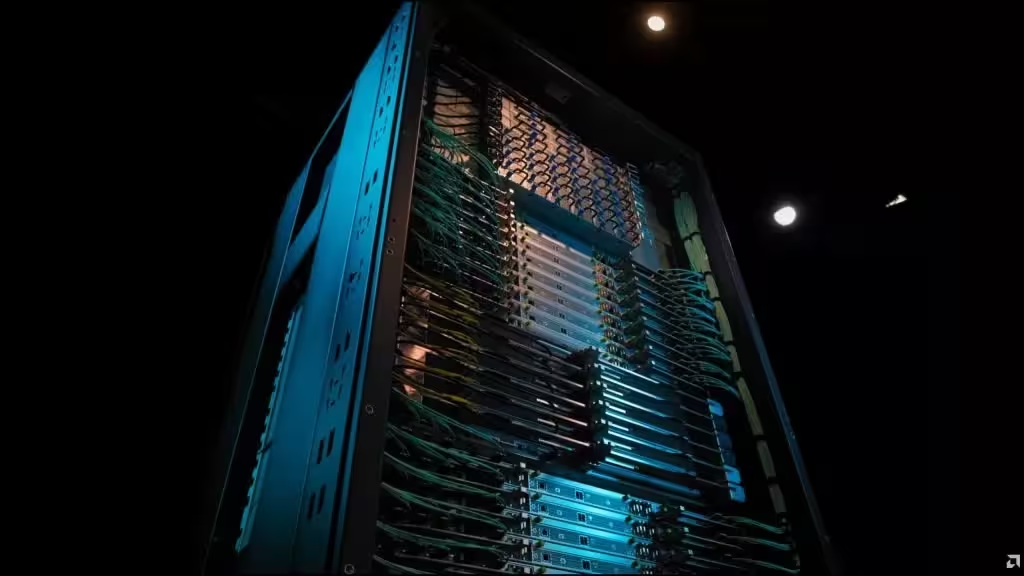
Datacenter gains, consumer demand weakness
The financials make the strategic shift clear. In the quarter, AMD’s datacenter revenue rose 97 percent year over year to 8.5 billion dollars, while combined revenue from consumer and gaming processors and graphics products (Ryzen and Radeon) declined 8 percent to 3.7 billion dollars. Datacenter chips and AI accelerators—the specialized processors used in servers to speed up machine-learning workloads—are substantially more profitable than consumer desktop and laptop parts, a dynamic that has encouraged AMD to pursue infrastructure revenues in a manner similar to its long-time rival Nvidia.
Those moves and the public framing of them provoked sharp reactions on social media. Many PC users and gamers, already strained by steep graphics-card prices, tight supply and rising costs for components such as RAM and SSDs, interpreted Su’s comments as a sign that AMD is deprioritizing the consumer market. The combination of a forecast double-digit drop in PC shipments and the allocation of a large share of manufacturing capacity to AI hardware has increased concerns that the consumer-hardware sector may face deeper difficulties through 2027.

“I cover emerging technologies, digital innovation, and the intersection of tech and everyday life. My goal is to make complex trends accessible and inspiring.”

Discussion
Leave a Comment
Comments
No comments yet. Be the first.