
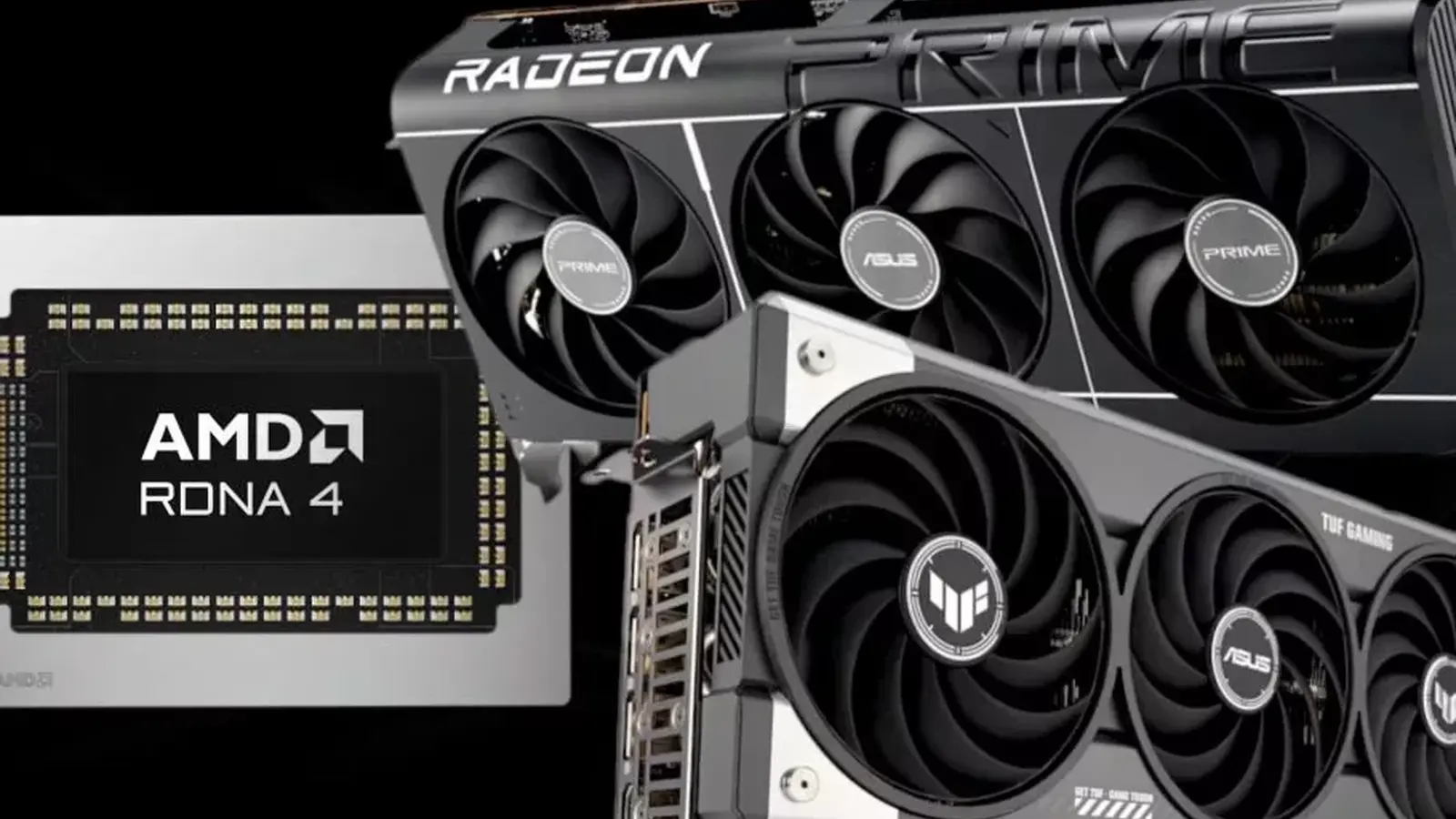
Open a retail page and stare at the numbers. The stickers on Radeon RX 9000 cards have been creeping up, then jumping. Shoppers notice first. Supply chains feel it next. And manufacturers brace for the next round.
Industry sources cited by Gazlog say AMD is preparing a price increase of roughly 10 to 15 percent for its RX 9000 lineup, targeted for the third quarter of 2026. The trigger is simple and stubborn: video memory is getting more expensive. As VRAM and DRAM costs climb, blank space on the PCB turns into a heavier bill at checkout.
Where the squeeze is felt
Think of it this way. AI servers are consuming massive DRAM and NAND capacity, pushing manufacturers to prioritize datacenter orders. That leaves less inventory for consumer graphics cards and SSDs, and the law of supply and demand applies with a vengeance. Memory suppliers expect elevated prices to persist through 2026 and into 2027, and the ripple effects are already visible. Cards with larger VRAM configurations have taken the biggest hit in retail premiums.
Not every vendor will move at once. Nvidia appears to be holding prices for now; its board partners have not reported any official hikes. That gives consumers a short breathing space, but it may be temporary. In markets like Germany and Japan, shoppers have shown resistance to RDNA 4 cards sold well above MSRP, sometimes leaving them on the shelves until retailers cut losses.

Lower-end GPUs remain in demand because many buyers simply cannot afford high-end options. A 10 to 15 percent jump could push more midrange customers away from a replacement or upgrade, especially when the alternative is a model under about €460.
If AMD follows through, RX 9000 cards could cost roughly 10 to 15 percent more by Q3 2026, worsening inventory pressures and altering buying patterns worldwide.
History matters here. Price adjustments have become routine during this memory crisis, and past cycles show retailers sometimes sell at a loss to clear stock. The effect varies by region, but the pattern is familiar: shortages create premiums, premiums slow demand, and inventory eventually forces markdowns or quiet sales.
For gamers, creators, and system builders the near term looks like this: expect volatility in GPU pricing, prioritize models that balance VRAM needs with value, and watch announcements from AMD and board partners closely. If you are timing a purchase, the next few months will be telling.


“I cover emerging technologies, digital innovation, and the intersection of tech and everyday life. My goal is to make complex trends accessible and inspiring.”

Discussion
Leave a Comment
Comments
No comments yet. Be the first.