
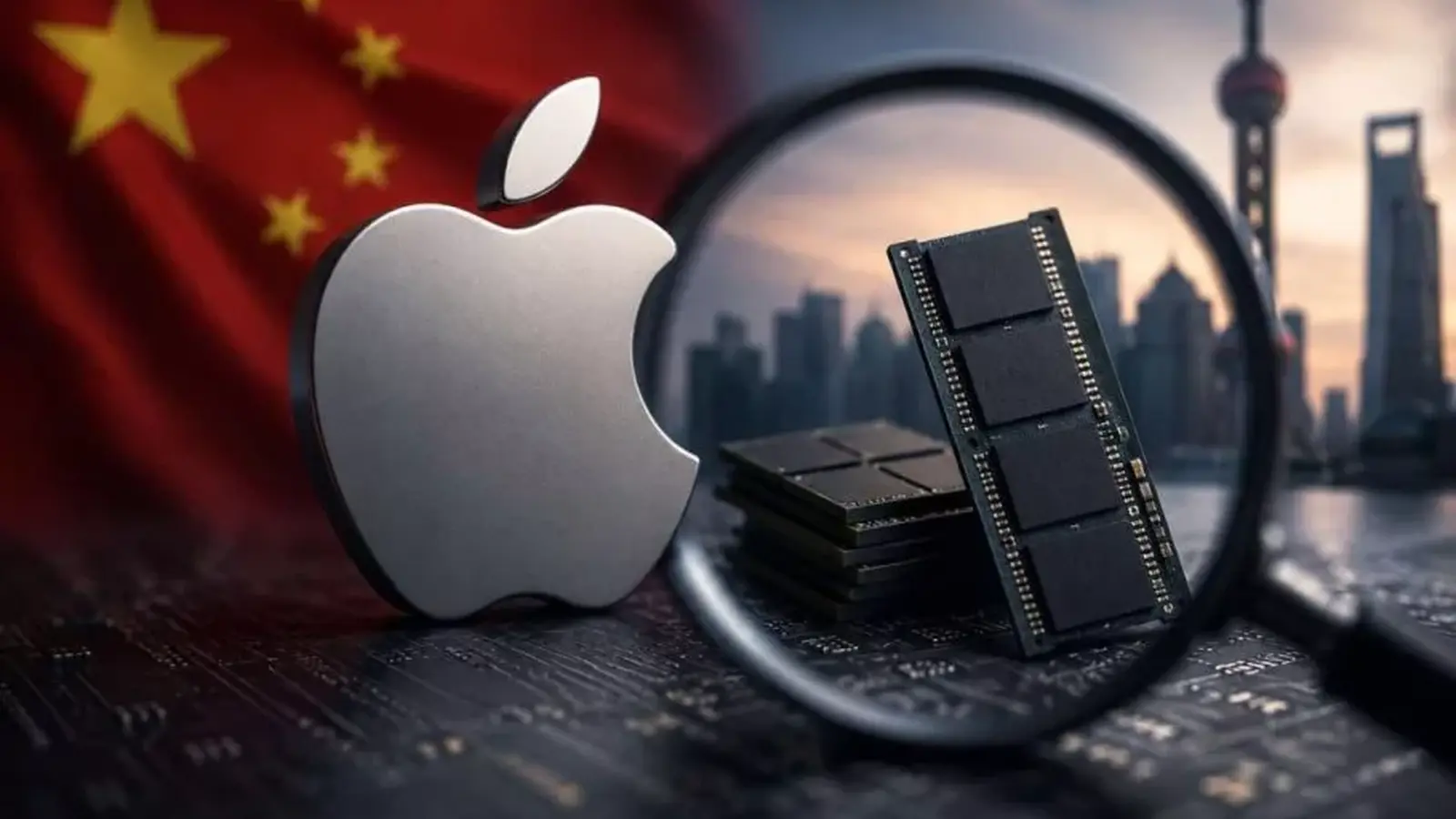
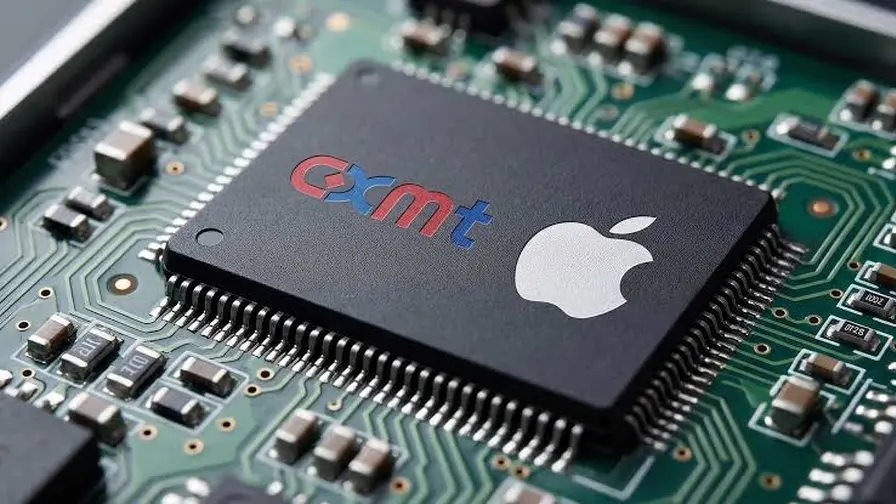
Picture this: an iPhone rolling off the line with memory chips from a company in Beijing. It sounds unlikely, but according to the Wall Street Journal, Apple has quietly been testing memory modules made by China’s CXMT across some of its production lines, including for iPhones and MacBooks.
Why the sudden experiment? The short answer is supply stress. The rush to build AI datacenters has absorbed huge portions of global memory capacity. That shift left mobile and PC memory supply tight and prices creeping up. Apple appears to be probing alternatives to soften that pressure, especially for devices destined for China.
Sources told the WSJ that Apple has opened initial talks with CXMT, which is the largest Chinese memory-chip maker by market value. The goal is specific: secure parts that could be used in products sold in China. Apple and CXMT have not publicly commented on these discussions.

What this means for supply chains and politics
There are practical signs that CXMT is scaling up. Previous reports suggest the company is weighing a second memory fab in Beijing to boost output. Meanwhile, some laptop makers, like HP and Acer, have started offering devices outside the U.S. that include CXMT memory, a move aimed at easing component shortages.
But there’s a complication that changes everything: CXMT is on a U.S. trade blacklist. That means Apple cannot simply buy chips without formal permission. Any purchase would require a U.S. government license. That regulatory hurdle turns what looks like a straightforward supply decision into a geopolitical negotiation.
There have also been reports that CXMT rebuffed an earlier request from Apple to supply memory at a lower price. If true, it illustrates the tightrope Apple must walk: balancing cost, capacity, and compliance while keeping product quality and margins intact.
So what should tech watchers be watching next? Keep an eye on three things: whether Apple expands testing beyond prototypes, any official licensing moves from U.S. regulators, and whether CXMT actually ramps production in Beijing. Each step will reveal how far Western device makers will go to diversify memory sources under the twin pressures of AI-driven demand and export controls.
No single development will rewrite the industry overnight. But this episode highlights a clear truth: memory supply is no longer just a procurement problem. It is a strategic junction where manufacturing capacity, national policy, and market pricing collide.

“I cover emerging technologies, digital innovation, and the intersection of tech and everyday life. My goal is to make complex trends accessible and inspiring.”

Discussion
Leave a Comment
Comments
No comments yet. Be the first.