
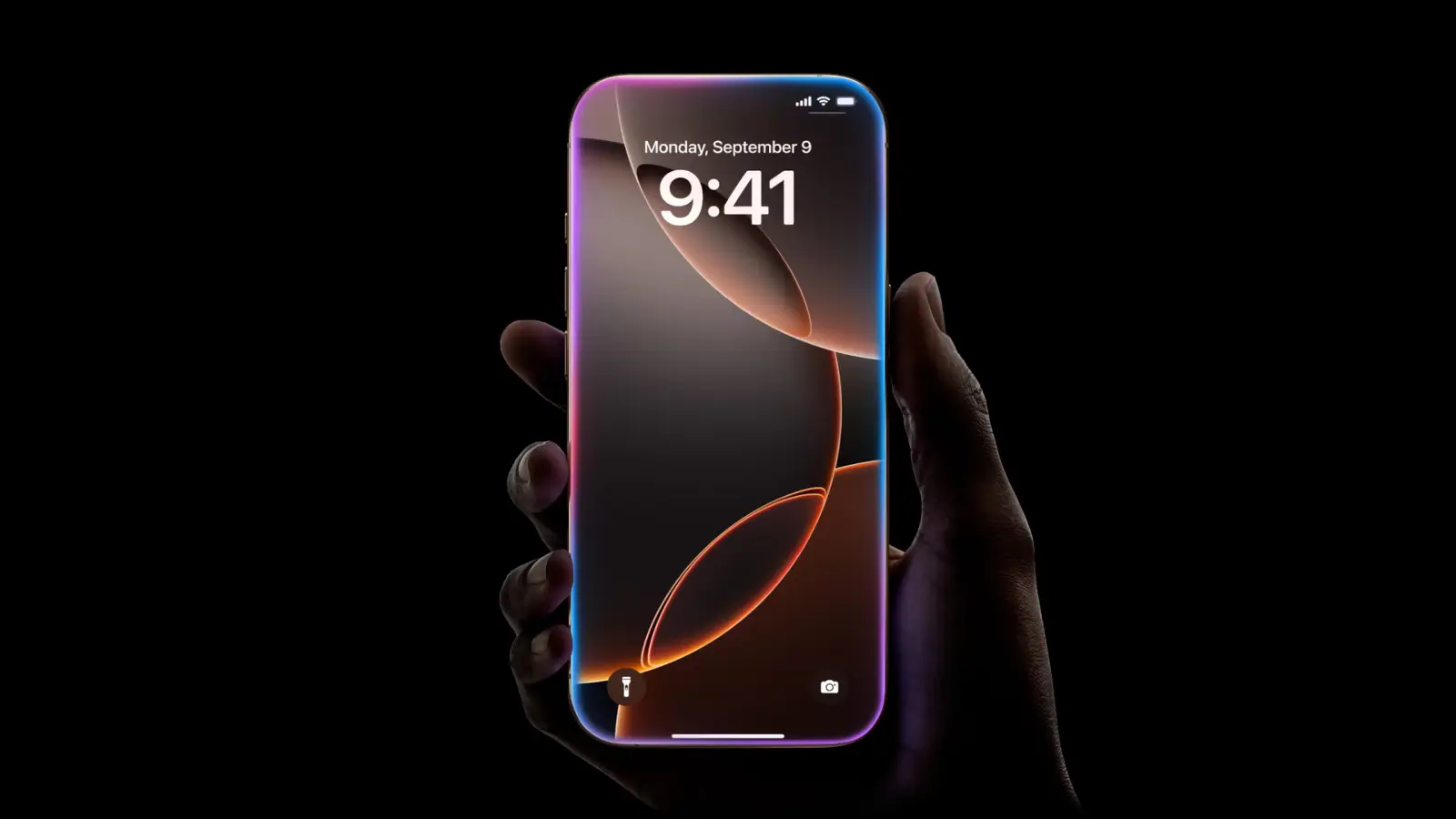
Picture a phone that looks like a single, seamless slab of glass — glossy front, glossy back, and a barely-there metal edge catching the light. That image has been bouncing around rumor hubs for months, and a recent claim that the project was axed turned out to be premature.
Bloomberg's Mark Gurman, citing people familiar with Apple's plans, says the glass-first redesign for the 20th-anniversary iPhone is still moving forward. The work is alive, messy and far from finished. Apple hasn’t abandoned the idea; it’s refining it.
Why Apple is still chasing glass
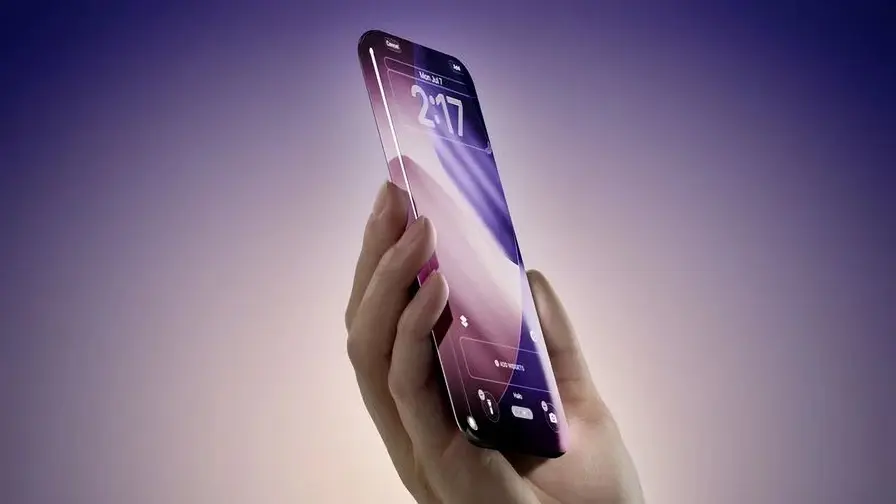
The phones in question are thought to be the 2027 Pro models, internally tagged V73 and V74. If the leaks are right, they'll sport curved glass on both faces, joined by a slim metal frame. The result? A look that’s meant to feel lighter and sleeker than today's squared-off phones — almost like holding a thin sheet of water.
There was an even bolder concept on the table: an even more glass-dominant design. Apple explored it, then put it aside. Why? Manufacturing. Scaling a fragile, glossy chassis across millions of devices introduces engineering headaches and yield problems. In short: beautiful in the lab, brutal in a factory.
So what will the shipping models likely bring? Expect marginally larger displays, better thermal management, and a chassis thinner than current Pros — whispers say as slim as the iPhone Air. Those changes point to careful trade-offs. You get a sleeker silhouette, but Apple must balance durability, antenna performance and cooling.

The project isn't dead; it's evolving into something Apple can build reliably at scale.
Think of this as Apple polishing a risky idea until it sings. Curved glass adds charm. It also adds complexity: glass bends, coatings wear, and repairability drops. Improved cooling hints at higher sustained performance, perhaps to support better cameras or on-device AI tasks. Slightly larger screens mean more canvas, but also a need for battery and thermal adjustments.
Rumors like these live and die on details, and details change. Expect more iterations between now and whatever Apple unveils in 2027. Leaks tip the direction. Insiders refine the path. Consumers wait with a mix of excitement and skepticism.
Apple often saves its most visible design shifts for milestone years. If a glass-first iPhone arrives for the 20th anniversary, it will be the product of curiosity, compromise and a lot of engineering sweat. When it lands, it may look inevitable. Right now, it’s a careful experiment getting ready for a mass audition.

“I love exploring gadgets, apps, and trends that redefine how we connect, work, and play in a digital world.”

Discussion
Leave a Comment
Comments
No comments yet. Be the first.