
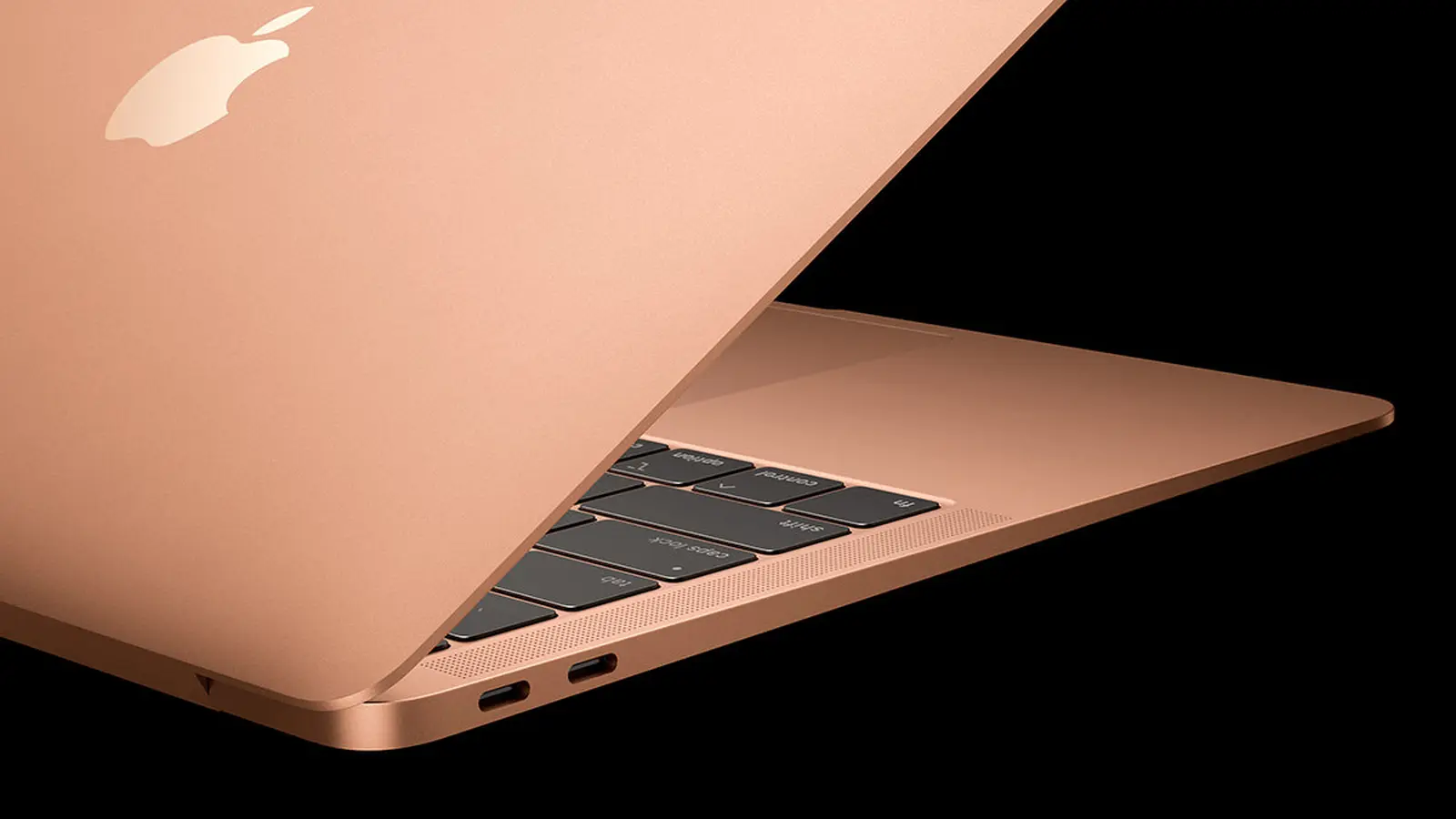
The MacBook you once showed off at cafés and meetings has quietly moved into a different chapter. Apple has added three older laptop models to its official obsolete list, meaning a lot changes overnight for owners who hoped repairs would stay easy.
The models affected are the MacBook Air 2018 with Retina display and Touch ID, the 13-inch MacBook Pro 2018 with four Thunderbolt 3 ports, and the 13-inch MacBook Pro 2017 with two Thunderbolt 3 ports. These machines had already been listed as vintage; now they have crossed the seven-year line and are officially obsolete under Apple's support rules.
When parts stop coming
Apple classifies devices as vintage once five years have passed since they stopped selling. At seven years, those devices are reclassified as obsolete. Service centers and authorized repair providers will no longer receive new spare parts for obsolete models. That means hardware repairs become difficult, and in many cases impossible to carry out through official channels.
If your Mac is now on the obsolete list, hardware servicing and new spare parts will no longer be available through Apple's authorized channels.
Does that leave owners stranded? Not entirely. Apple still honors battery servicing for many models for up to ten years after a product's final sale, so battery replacements can often be obtained within that window. But for anything more complex than a battery swap, options narrow: independent repair shops, used parts, or third-party service can be the only recourse.

Why does Apple cycle products this way? It's practical. Inventory of replacement parts can't be kept forever. As components age and manufacturing lines move on, maintaining an endless stock becomes unsustainable. Still, for anyone clinging to a tried-and-true machine, the shift feels abrupt.
The three Macs in question each carried their piece of Apple history. The MacBook Air 2018 was the first Air to bring Retina and Touch ID into the lineup, trading the old wedge for a modern screen and fingerprint unlock. The 2017 13-inch MacBook Pro ran on Intel Kaby Lake processors, a workhorse generation for professionals at the time. The 2018 Pro introduced True Tone display calibration and the third-generation butterfly keyboard, a design that sparked both admiration for its slim profile and criticism for reliability concerns.
So what should owners do now? Start with a backup. Make sure your data is safe. Check Apple’s support site with your serial number to confirm the exact status. If you rely on that machine for work, consider whether repair paths exist in your region or if it is time to budget for an upgrade.
It is a familiar pattern in technology: hardware ages, support windows close, and users must decide whether to keep patching or to move forward. For the small but committed group who still prefer these particular MacBooks, the choice will come down to how much serviceability matters versus how attached they are to a machine that still gets the job done.

“I love exploring gadgets, apps, and trends that redefine how we connect, work, and play in a digital world.”

Discussion
Leave a Comment
Comments (2)
Is this even true? Apple stops spare parts but keeps battery service up to 10 yrs, confusing. Region probs matters, indie shops hit or miss
wait my 2018 Air? ugh, that keyboard drama all over again. backups now, probs time to upgrade...