
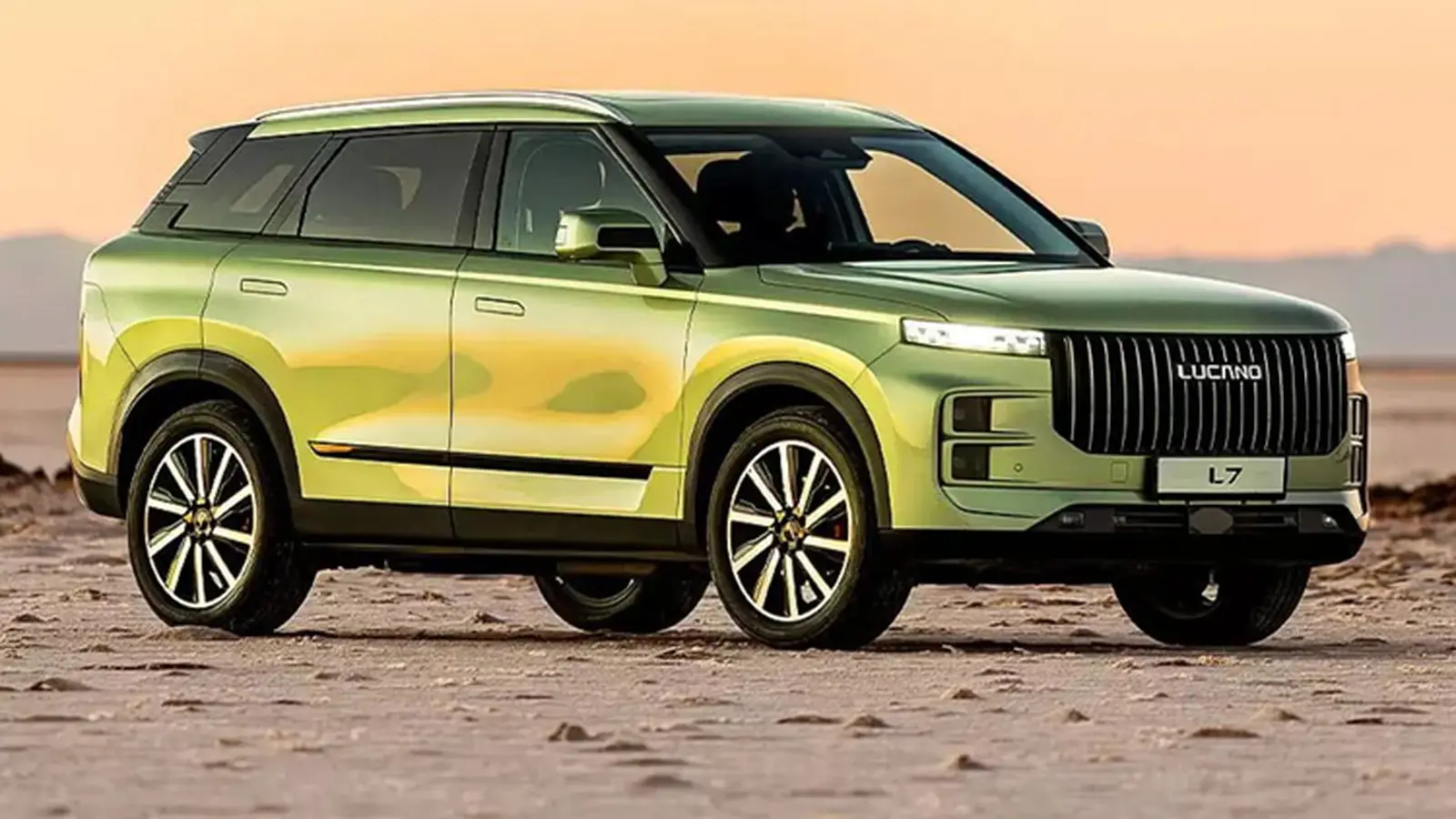
Picture a rainy Saturday outside a dealership in Manchester. A shiny Evoque sits under the awning, badge gleaming. But buyers are walking past. They’re drawn instead to a newcomer with familiar lines and a much friendlier price tag.
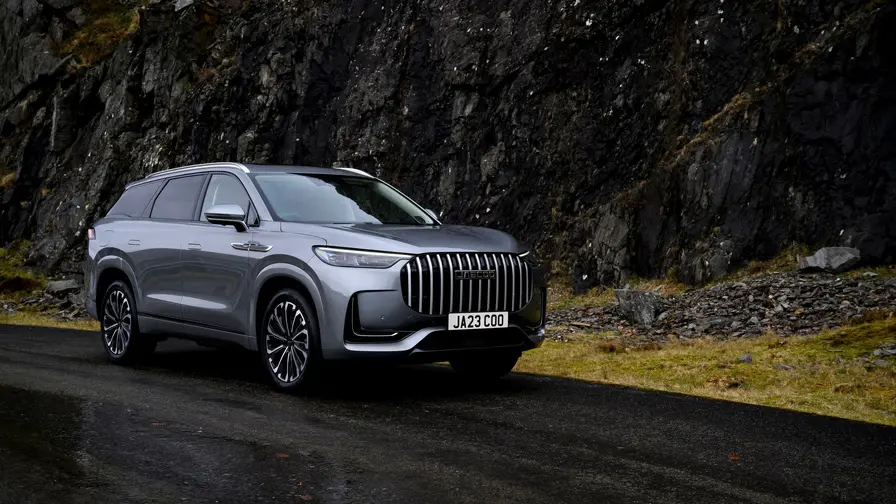
The Jaecoo 7, marketed in some places as the Lukano L7, has done something few expected: it became the United Kingdom's best-selling SUV within a year of arriving. It didn’t win on prestige. It won on value, equipment and a warranty that makes shoppers pause and rethink long-held loyalties.
Why British buyers flipped for the Lukano L7
Ask any dealer and you’ll hear the same refrain: price first, then substance. The petrol Lukano L7 lists from about €35,100, while the base Range Rover Evoque starts near €52,650. That gap is not small. It’s decisive.
But money alone doesn’t explain the shift. The Chinese model offers features that used to be optional extras on premium rivals: heated front seats, a panoramic roof, and packages that feel plush for the money. Add a seven-year warranty and you’ve got a compelling counterargument to the traditional three-year cover offered by Range Rover. For many buyers, that combination outweighs badge prestige.

There’s also a psychological shorthand at play. On UK forums the Lukano has been nicknamed the Range Rover Temu, a reference to discount platforms known for affordable alternatives. The label is cheeky, but it captures what the car represents: a value-minded reinterpretation of a familiar design language.
Chinese automakers aren’t sneaking in anymore. They’re scaling. Recent market data shows these brands now take roughly ten percent of European sales and account for about a fifth of the British market. That’s a rapid climb from where they stood just a few years ago.
Part of the explanation lies in partnerships and manufacturing ties. Chery, the company behind Jaecoo, has a joint venture with Jaguar Land Rover in China and builds SUVs in a Changshu plant. That proximity helps accelerate design borrowing, component-sharing and cost efficiencies. The result is a car that looks reassuringly familiar to buyers who liked the Evoque’s silhouette—but costs a lot less to own.
So what does this mean for premium brands? Competition is no longer just about luxury or tech. It’s about delivering perceived value without erasing the brand’s identity. Expect established marques to rethink options, warranties and pricing as more affordable rivals press their advantage.
One final thought: the Lukano’s rise underscores a simple rule of retail—give people more of what they want, at a price that makes sense, and they will vote with their wallets. Brands that ignore that lesson do so at their peril.

“I cover automotive innovation, electric vehicles, and the future of mobility — where technology meets sustainability.”

Discussion
Leave a Comment
Comments
No comments yet. Be the first.