
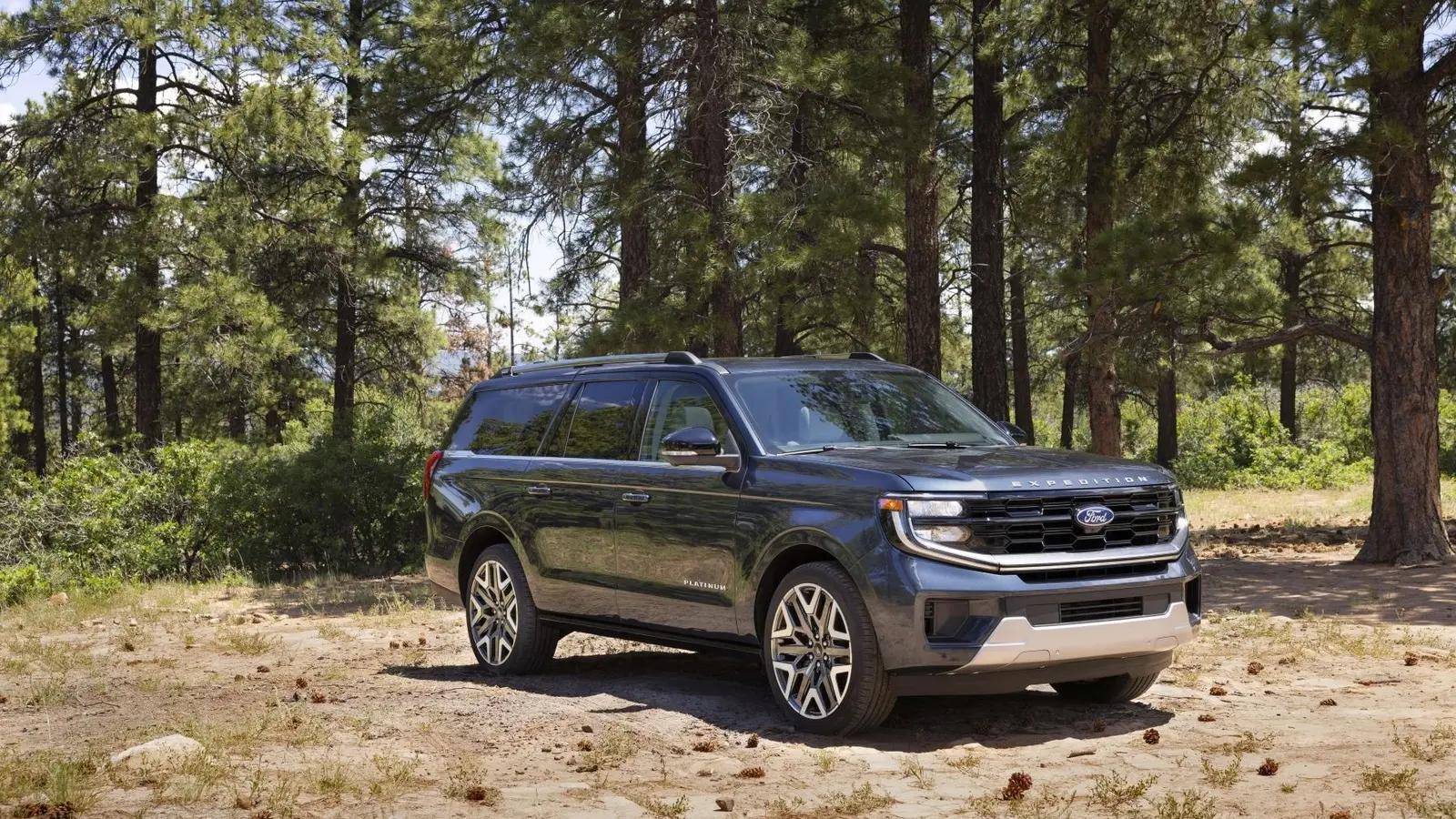
The paint robots at Ford’s Louisville plant are about to get a long overdue upgrade. That hum in the background is more than machinery; it is a signal. Ford is answering a political firestorm with capital and concrete.
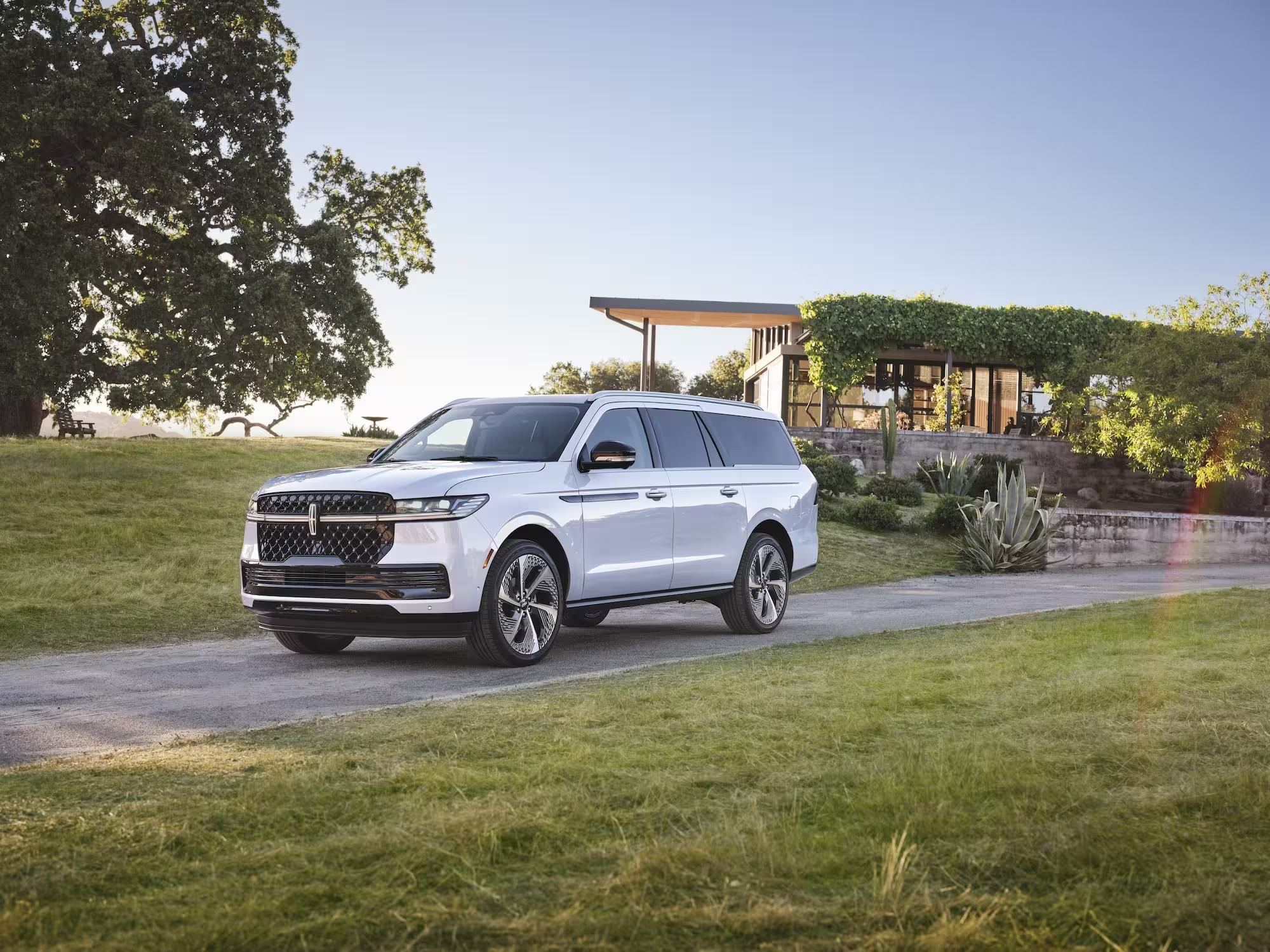
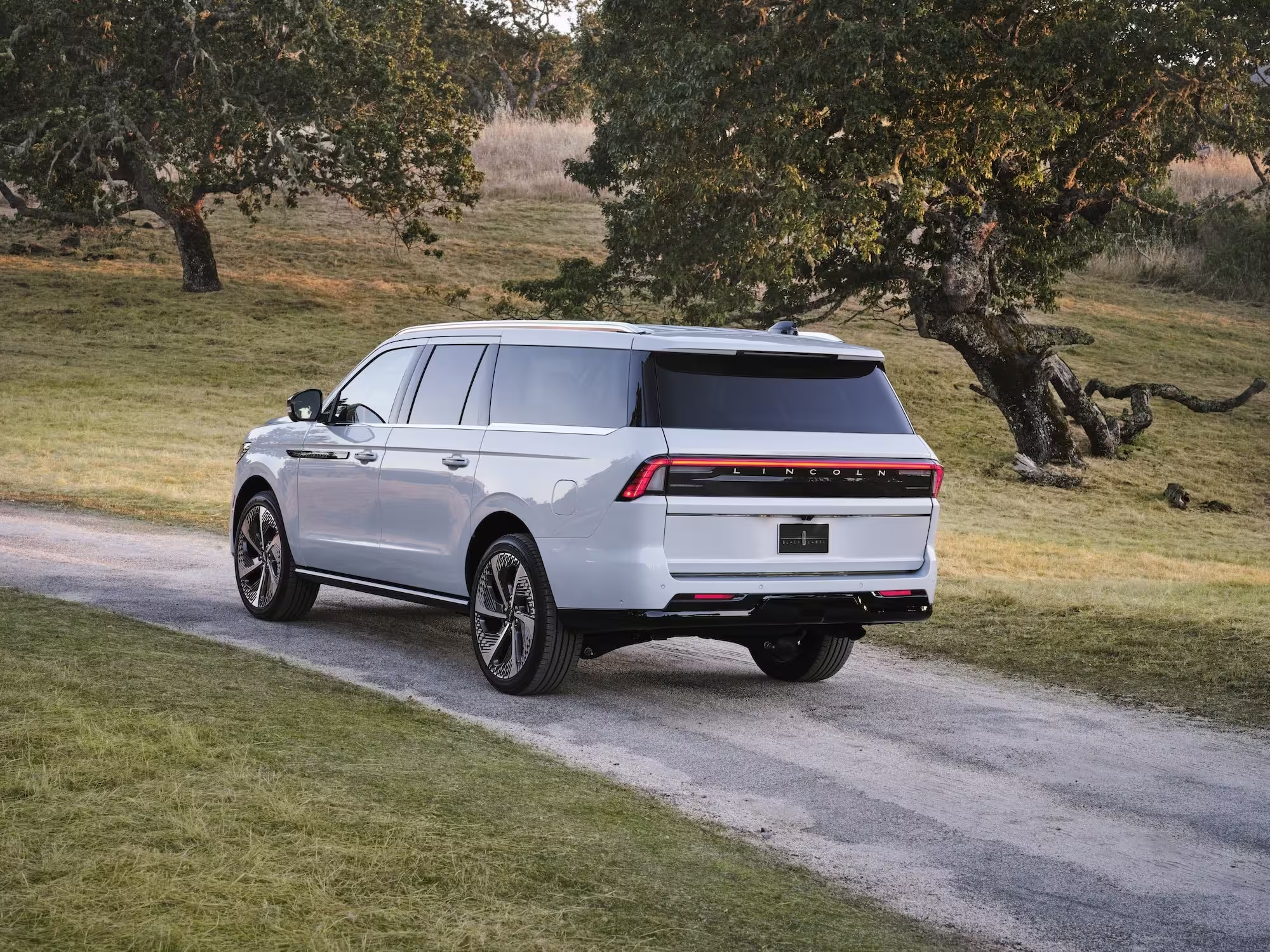
After public scrutiny over its commercial ties with Chinese firms, including critiques tied to battery licensing and assembly arrangements, Ford announced a bold modernization plan: a new paint shop and technology refresh backed by a €930 million investment in the Kentucky facility where the Ford Expedition and Lincoln Navigator are built.
What the investment looks like on the ground
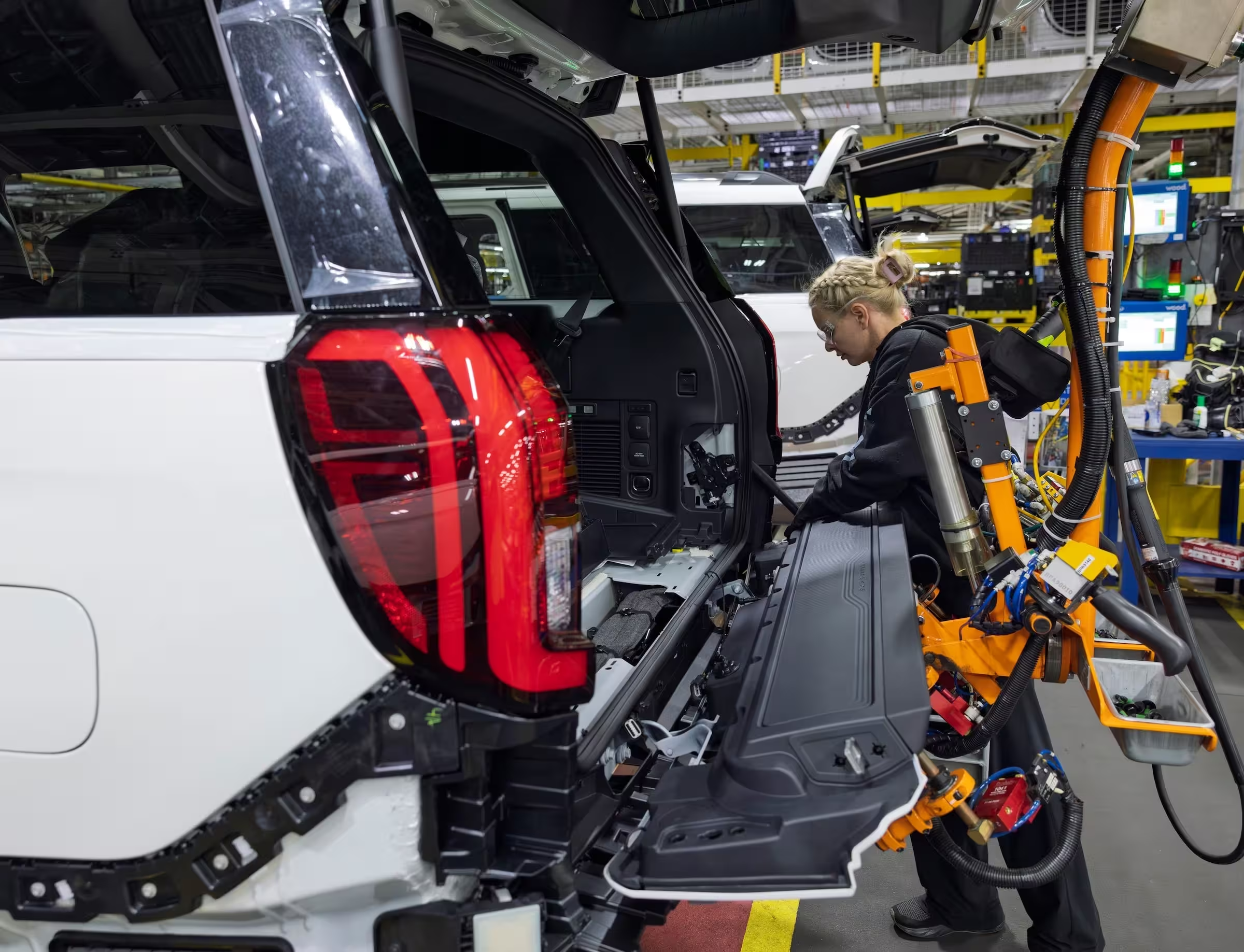
The money will fund a state of the art paint shop designed to replace aging equipment, boost finish quality and cut environmental impact. Groundbreaking is scheduled later this year, with construction set to begin before the end of 2026. Ford says the upgrades will bring newer robotics and paint processes, and should lift both durability and sustainability metrics for high-volume SUVs rolling off the line.
This site has been a cash engine for Ford. Vehicles come off the assembly line roughly every 45 seconds. The plant’s output supports multi-million euro revenue streams and remains one of Ford’s most profitable U.S. operations.
Alongside the paint shop plan, Ford is shifting nearby operations toward its in-house Universal Electric Vehicle platform. The first model to sit on the new architecture is the affordable Fathom pickup, which starts at about €27,850, with deliveries penciled in for 2027 after a public reveal earlier that year.
Ford has also outlined a wider regional spending package – roughly €3.7 million in local projects – and previously committed about €1.86 billion to convert the Louisville Assembly Plant into a center for the Universal EV platform. The automaker invested approximately €1.86 billion more at its Glendale Energy Systems location to expand battery energy storage production.
Dealers and local operators say the investment matters beyond glossy paint. Ed Roberts, a local Ford operator, told industry outlets that modernized manufacturing pairs with new service models, like routine maintenance brought directly to customers’ driveways or workplaces. It is a push to align production, aftersales and consumer convenience under one roof.
This is Ford doubling down on domestic manufacturing while navigating complex global supply links.
There’s a political subtext. U.S. officials publicly raised concerns about Ford’s reliance on licensed battery technologies tied to Chinese suppliers and about certain models assembled overseas. Ford’s move to inject funds into Kentucky will be read in Washington and in union halls as a visible commitment to keeping more production stateside, even as global partnerships remain part of modern auto supply chains.
The timing is deliberate. By accelerating plant upgrades and shifting architecture to a homegrown EV platform, Ford aims to reduce exposure to tariffs and to reassure policymakers and customers that its next-generation vehicles will be built with stronger domestic roots.
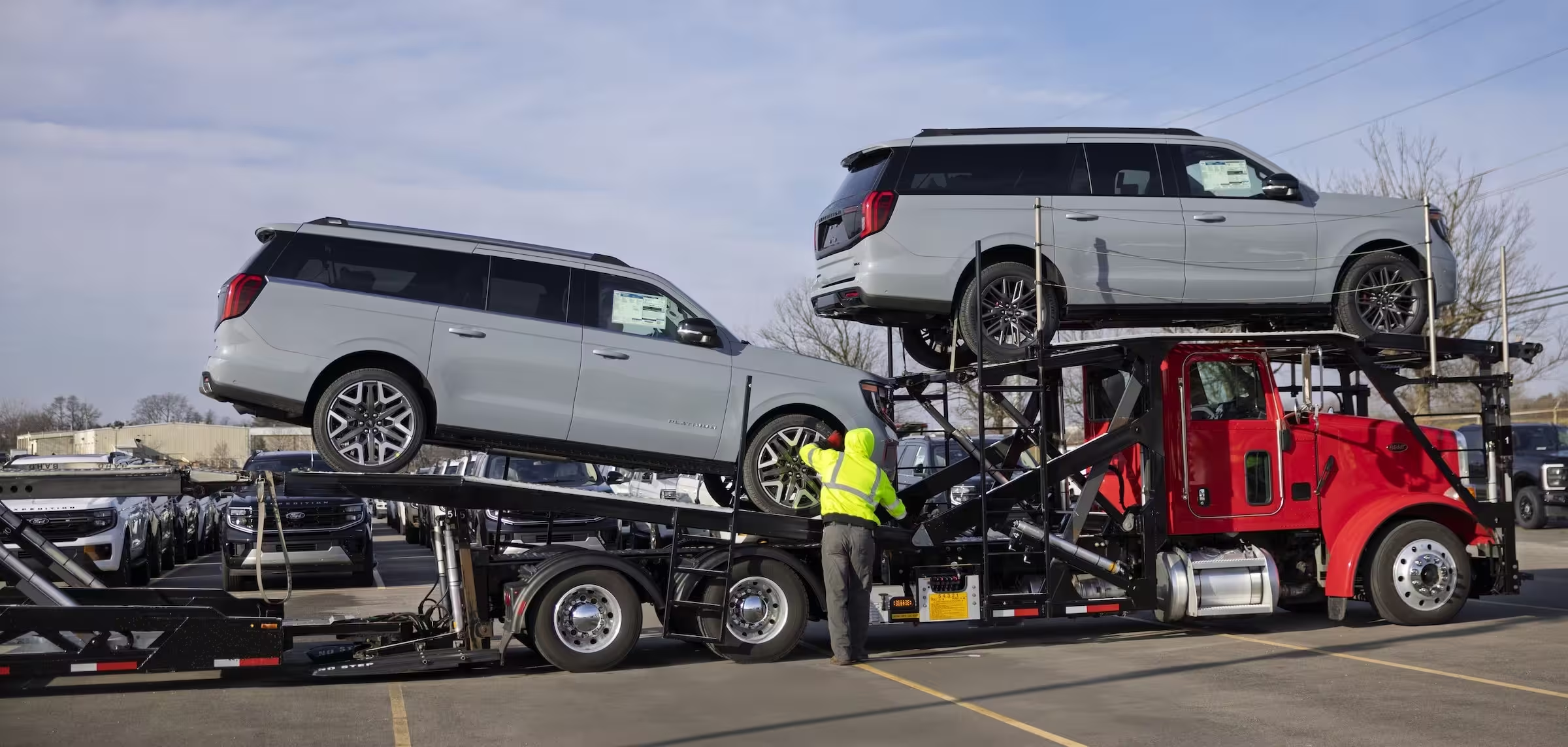
For Louisville, the investment is continuity with a long history. Ford has been manufacturing in Kentucky since the Model T era, and this latest capital effort is pitched as the next chapter: melding legacy lines with electric future-proofing.
Expect headline noise to continue. But on the factory floor, the story is simple: newer machines, cleaner paint processes, and an EV-ready cadence that Ford hopes will quiet critics and deliver a steadier American manufacturing footprint.

“I cover automotive innovation, electric vehicles, and the future of mobility — where technology meets sustainability.”

Discussion
Leave a Comment
Comments (2)
Wow didn’t expect Ford to swing that hard into Kentucky. Curious if the Fathom actually ships on time, or they keep delaying…
A billion on paint shops? ok. So does this actually mean more US jobs longterm, or just optics for DC? feels like PR, but hopeful.