
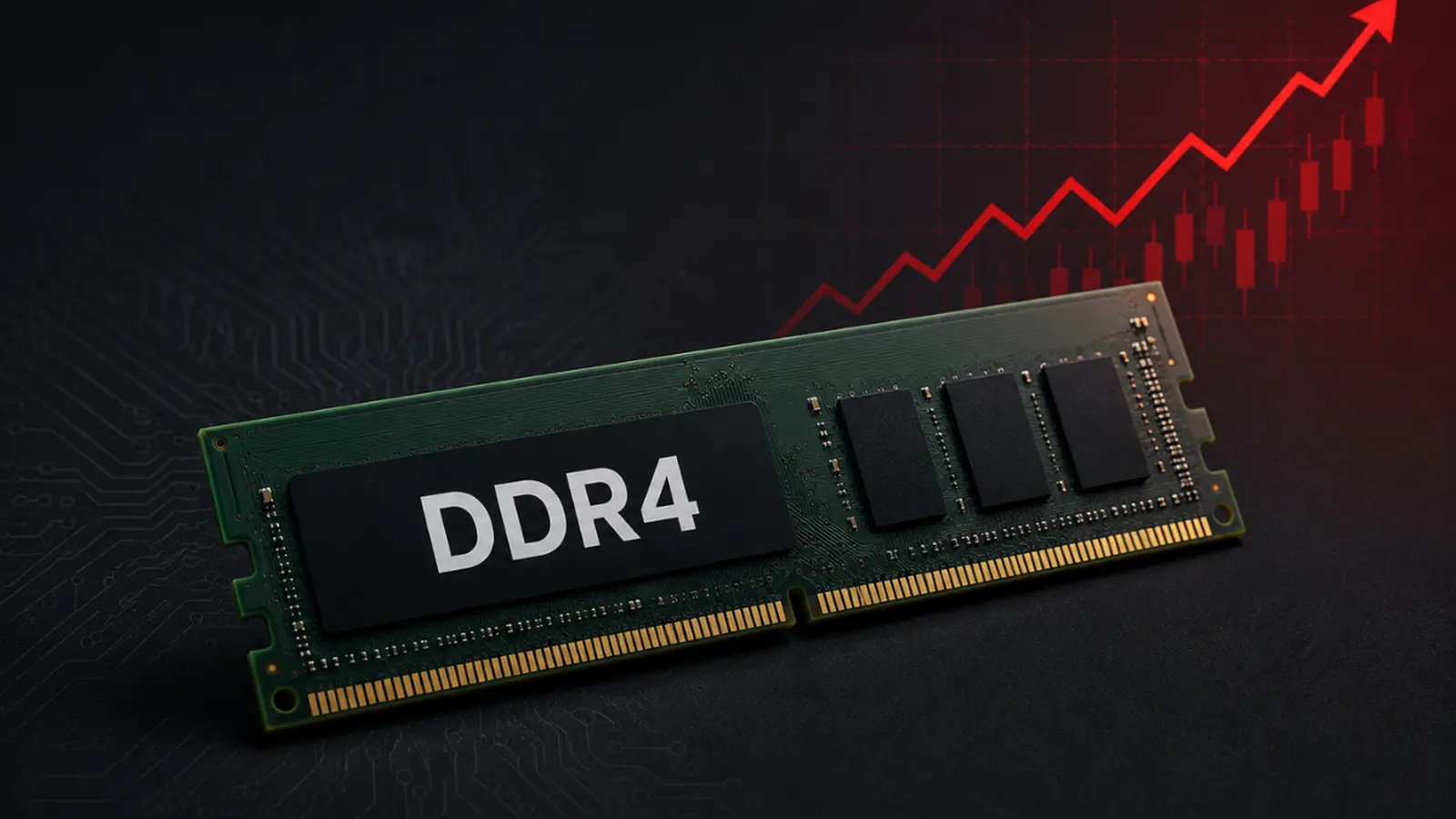
Walk into any PC shop and you can feel it: memory that used to be a routine upgrade now comes with sticker shock. Supply whispers have hardened into price hikes, and for many buyers the math just does not add up.
Industry sources quoted by DigiTimes say DDR4 8Gb contract prices are set to jump more than 50 percent in Q3 2026 compared with Q2. That is not a rounding error. It is a market-wide squeeze driven by capacity shortfalls and shifting factory priorities.
Where the stress is coming from
Start with demand. PC makers and large-scale data centers are snapping up more DRAM than forecast, and enterprise-grade SSDs that include DRAM cache are becoming a meaningful new source of consumption. Add to that the strategic choices of the big foundries. Samsung, Micron and SK Hynix have tilted much of their capacity toward DDR5 and premium memory products aimed at AI customers. The result: legacy formats were left with a thin supply base.
That thinning matters. Taiwanese suppliers such as Nanya and Winbond now shoulder most DDR production, but their output cannot match global demand. Micron is producing some DDR4 and LPDDR4 using its 1α node at Manassas in the United States, and Samsung maintains limited volumes for select long-term clients. Still, overall capacity is tight.

Spot markets have already reflected the pressure. In early July, the average market prices looked like this when converted to euros:
- DDR4 4Gb (512MB x 8) — €11.73
- DDR5 16Gb (2GB x 8) — €43.31
- Price per Gb for DDR3 4Gb — €2.94
- Price per Gb for DDR5 16Gb — €2.70
Yes, you read that right. In some pockets of the market, DDR4 16Gb spot modules are trading at prices comparable to or higher than DDR5 SKUs with similar specifications. When older memory becomes more expensive than the newer generation, you know supply is badly misaligned with demand.
Why does that happen? Two words: capacity reallocation. Makers chasing higher margins and AI-driven demand have trimmed legacy lines. That shrinks available wafers for DDR4 and DDR3 even as pockets of demand—like cached SSDs and refresh cycles in enterprises—grow.
Expect DRAM prices to remain elevated for the foreseeable future, with industry observers warning of pressure at least through 2028.
So what should buyers and builders do? If you can, delay non-urgent upgrades. For businesses, re-evaluate procurement windows and consider locking in contracts earlier than usual. For DIY builders, shop around and compare configurations: sometimes a higher-capacity DDR4 part still makes sense, sometimes shifting to DDR5 will be the better long-term bet.
Prices will not fall simply because we want them to. Production plans take time to change, and fabs already running at near-full utilization cannot be turned around overnight. The squeeze that began in DDR5 has now cascaded down to legacy memory, and the ripple effects will be with the industry for a while.

“I love exploring gadgets, apps, and trends that redefine how we connect, work, and play in a digital world.”

Discussion
Leave a Comment
Comments (2)
I've seen similar squeezes at my shop last year, customers shocked. Locking contracts early saved us, fwiw. But ouch.
Wait, DDR4 pricier than DDR5? are we sure? sounds like fabs chasing AI profits, but curious about data center contracts..