
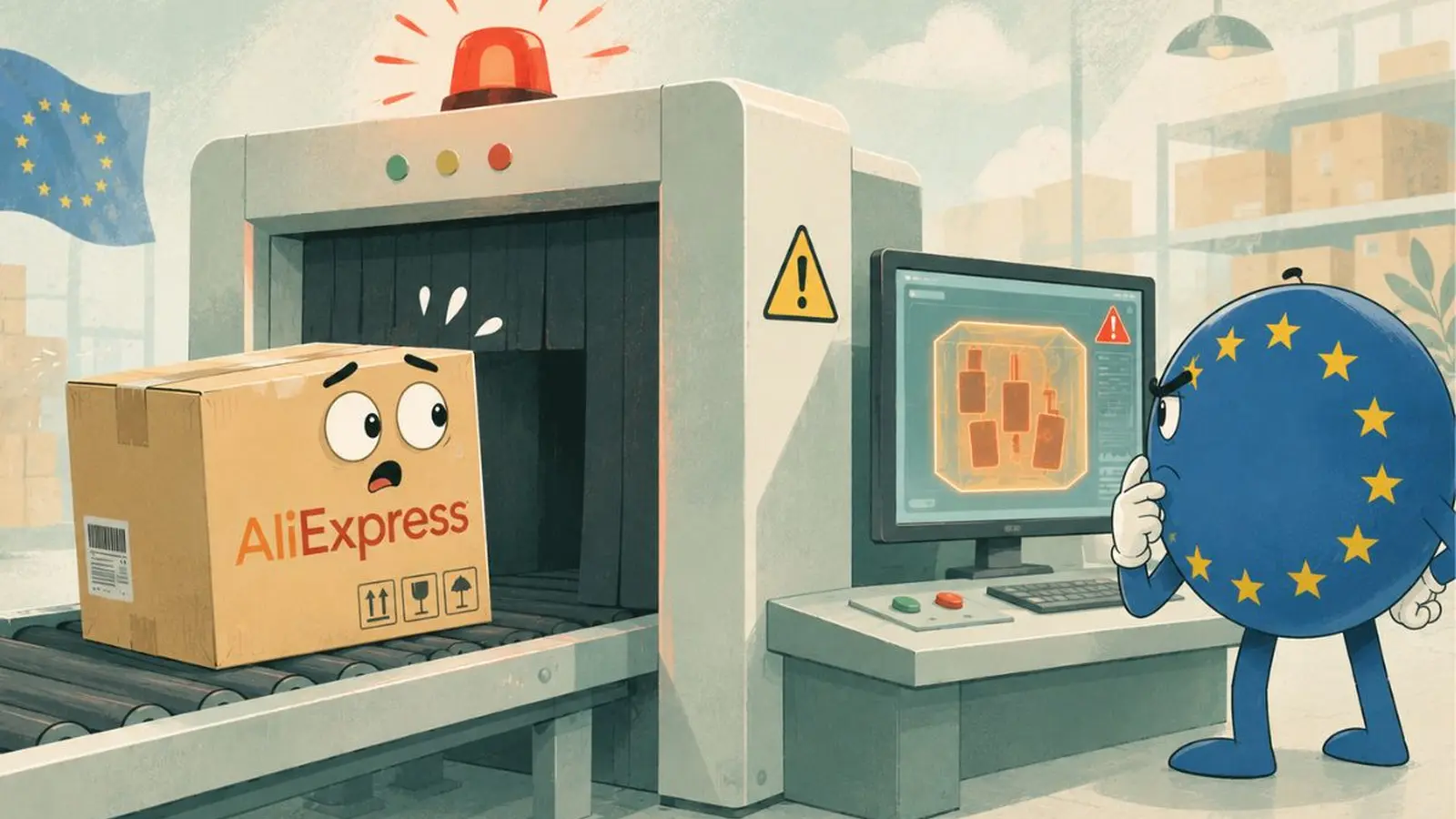
A pile of imitation sneakers, a dozen fake chargers and a stream of sellers who kept relisting prohibited items. That is the picture the European Commission says it found on AliExpress, and it was enough to trigger a €550 million penalty under the Digital Services Act.
The commission’s critique is clinical. Regulators concluded that AliExpress trusted its detection and moderation tools more than those systems deserved. Automated signals were treated as proof of safety. But those signals missed recurring listings and allowed many illegal items to remain visible for weeks. Recommendations and paid placements, the EC said, actually helped some of those products travel further across the platform.
Inside the probe: where the platform fell short
Investigators flagged several weak links. Seller checks were too easy to bypass when merchants mislabelled goods. The brand authorization gate—designed to keep counterfeits out—was under-resourced and porous. Penalty rules existed on paper but were unevenly applied in practice. And crucially, the metrics AliExpress used to measure success were limited; one headline number was relied on, despite failing to capture repeat or disguised violations.
The result was not random errors but systemic gaps: algorithms that amplified risky listings, compliance checks that could be skirted, and moderation practices that left enforcement inconsistent. It is a reminder that automated systems need real-world stress tests and human oversight.

The takeaway is simple: rules without reliable detection and robust enforcement are not enough.
Now AliExpress has until October 20 to submit a concrete action plan to the commission, laying out how it will assess and mitigate the systemic risks the DSA targets. The European Board for Digital Services will review that plan within a month, after which the commission has another month to adopt a final decision and set a reasonable timetable for implementation.
Beyond the fine itself, the episode matters because it tests the DSA’s teeth. Platforms across the globe are watching. Will marketplaces beef up human moderation? Will they redesign recommender engines to reduce the spread of unlawful items? Will brand protection become less of a checkbox and more of an active, monitored process?
Expect the next phase to be technical as much as legal: audits of algorithms, tighter seller verification, improved traceability of listings and clearer sanctioning when rules are breached. For consumers, the promise is safer shopping. For AliExpress, the price is a hefty financial hit and a roadmap forced by regulators rather than market pressure.
The core question remains: can a platform designed for scale refashion itself to prevent bad actors from exploiting scale? Regulators have drawn a line. The company now has to show how it will cross it.


“I love exploring gadgets, apps, and trends that redefine how we connect, work, and play in a digital world.”

Discussion
Leave a Comment
Comments
No comments yet. Be the first.