
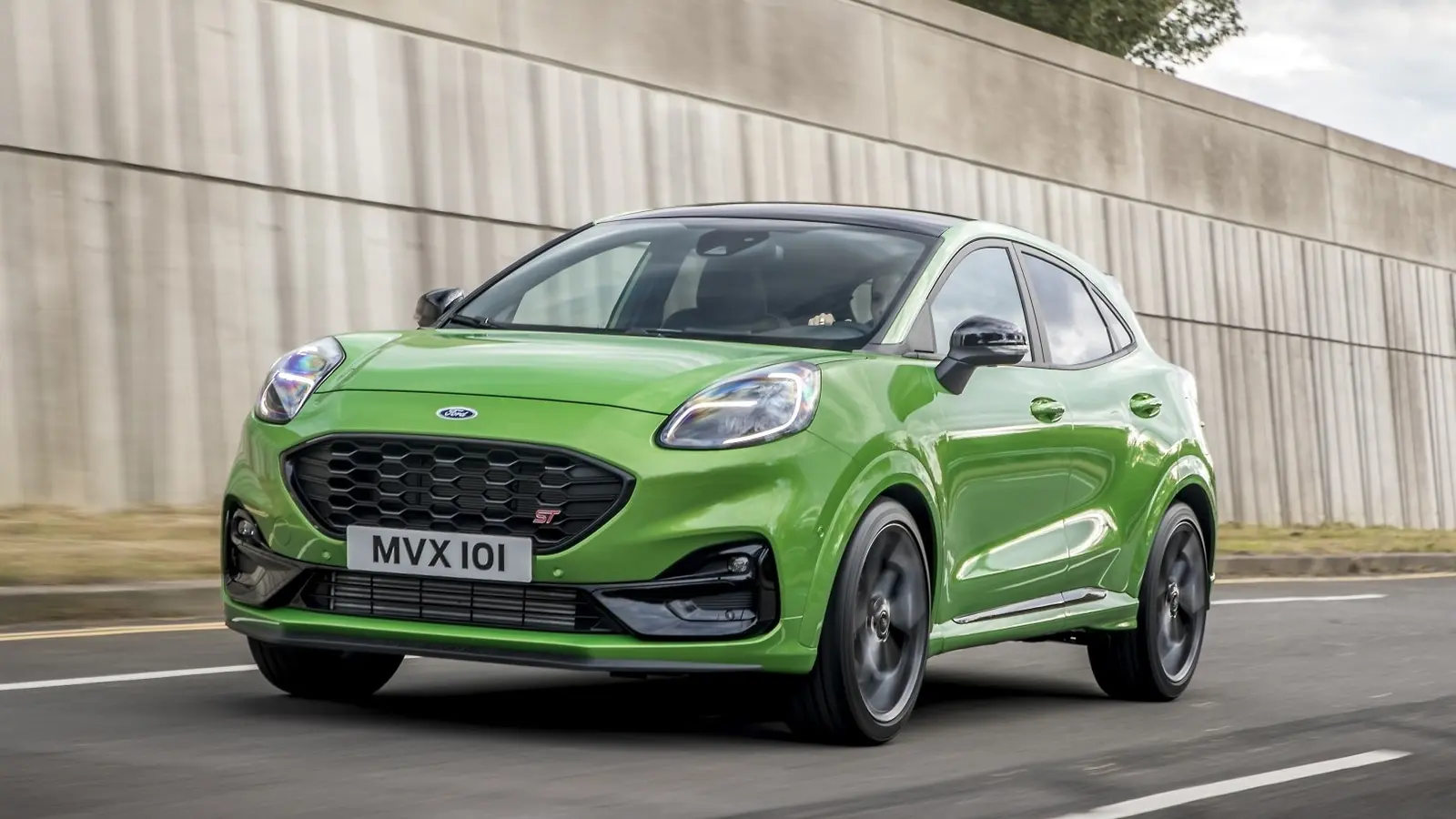
The image of a Spanish factory humming with new energy feels almost cinematic: robots welding, paint booths steaming, and a new badge on the line that owes as much to Gothenburg engineering as it does to Hangzhou ambition. That is the picture unfolding in Valencia, where Ford and Geely are stitching a partnership that could redraw parts of the European car map.
A pragmatic marriage of platforms and factories
Ford will use Geely’s Global Intelligent New Energy Architecture, known simply as GEA, to underpin a multi-energy SUV destined for European showrooms from 2029. GEA is flexible by design: it supports battery-electric, plug-in hybrid, and range-extended drivetrains. In China the platform already underlies a string of household names, and now it’s being adapted for Ford’s tastes and European regulations.
The work will happen at Ford’s Valencia plant, the same facility that currently builds the Kuga in hybrid and plug-in guises. As part of the deal, Centurion Industries, a Geely-owned company, will acquire a 34% stake in the factory for 221 million euros. The investment isn’t just cash: it buys faster access to local assembly, and it helps Geely navigate the tough rules around local content and tariffs.
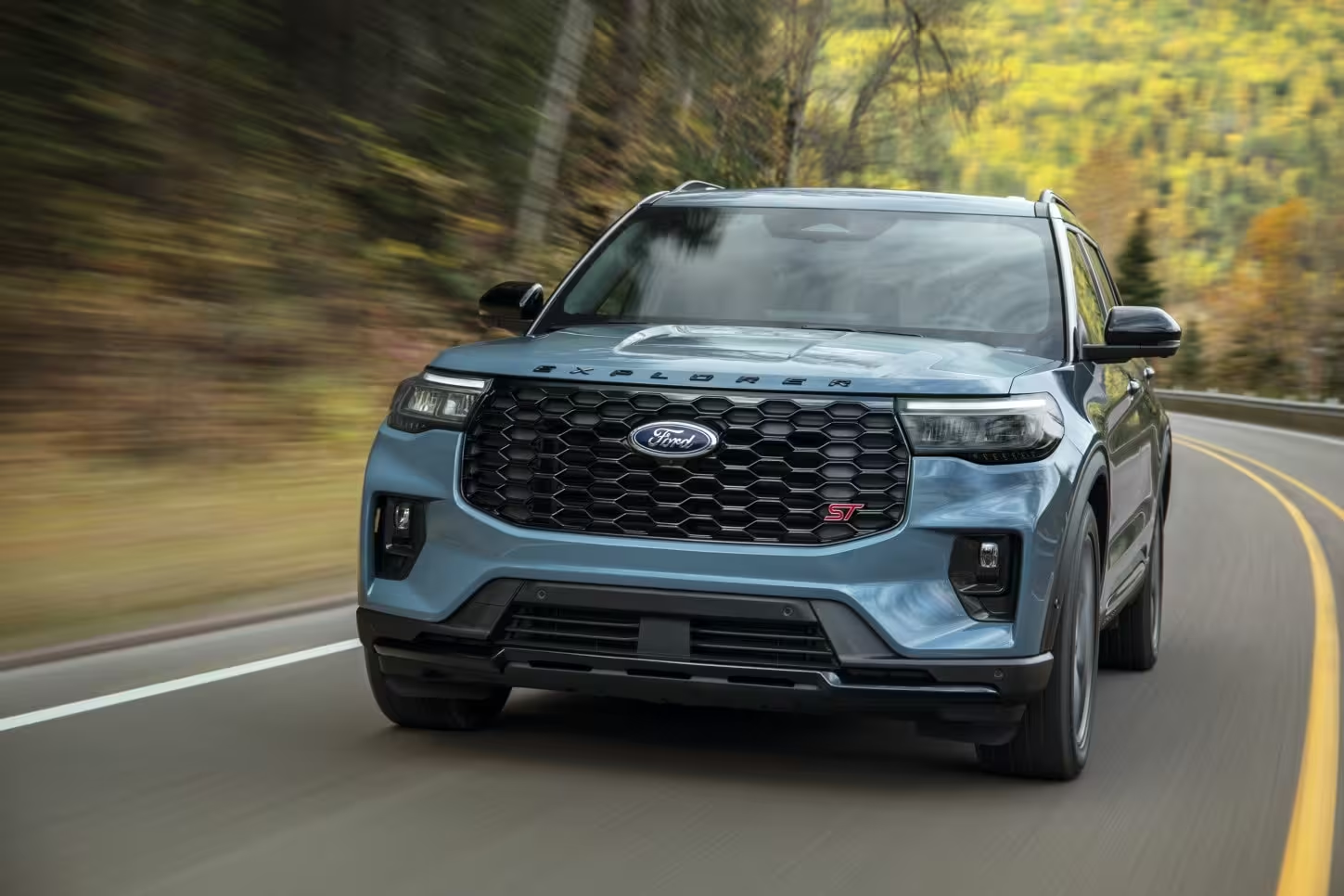
Two electric SUVs wearing Geely badges will start rolling from Valencia a year earlier, in 2028, thanks to a joint venture with Ford. Ford’s own model arrives in 2029, pitched as a multi-energy crossover with styling and driving manners that nod to rally-bred performance — think Escort, RS200, Sierra Cosworth in spirit rather than a parts-bin resurrection.
Why does this matter? Because Europe now demands more than just good batteries. To qualify for state incentives or public procurement, an EV must source at least 70% of its component value inside the EU. That rule, along with a 28.8% tariff on Chinese-built battery-electric cars, makes local production a strategic necessity rather than a convenience.
Geely arrived in Europe through acquisitions and partnerships — Volvo, Polestar, Lotus and other labels have carried its technology across borders. But selling cars under the Geely name remains a work in progress. In 2025, the holding group posted about 381,285 vehicle sales in Europe, the vast majority coming from its established brands. Direct Geely-badged sales were negligible. Building cars inside the EU changes that calculus.
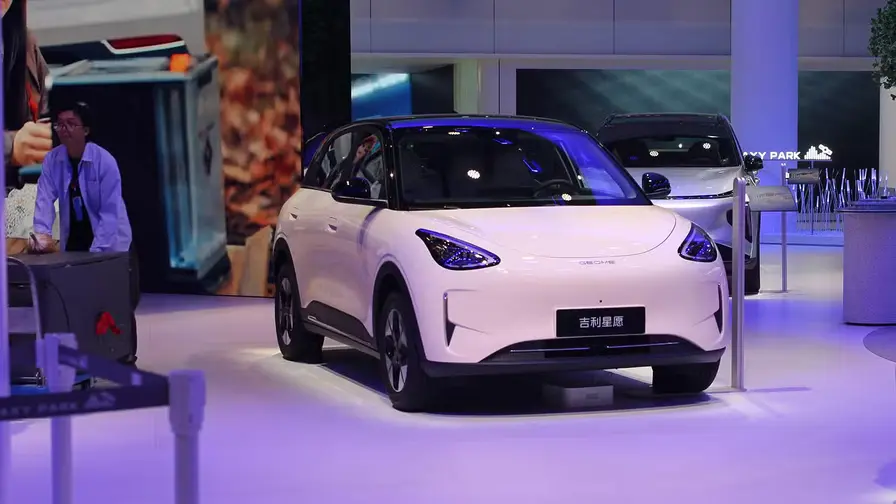

Across the Atlantic the picture is thornier. U.S. restrictions have blocked certain Chinese-built models from entering the market, and some brands have pulled back. Polestar has lost authorization to sell new cars in the U.S. beyond the 2026 model year, and Lotus has abandoned plans to import its Chinese-built electric Eletre SUV and Emeya sedan to America, leaving Lotus with only its gas-powered Emira on the U.S. roster. Those moves make Europe the primary stage for Geely’s next act.
The Valencia deal is both a commercial play and a geopolitical maneuver: local assembly unlocks incentives, avoids punitive tariffs, and gives Geely a clearer path into Europe's mainstream markets.
The cross-company work won’t be a simple transplant. Ford will adapt the GEA platform to meet its safety, emissions and driving-character targets for the European buyer. Taste matters: European customers expect a particular balance of handling, ride refinement, and badge heritage. That’s why the cars will be tuned with a nod to spirited driving, even if their primary objective is to be competitive family SUVs.

There’s another echo of globalization in the deal: Renault will license a tweaked version of the Geely architecture for two models that will be produced in Curitiba, Brazil, from 2028. Platforms are no longer proprietary islands; they’re shared blueprints deployed where they make the most strategic sense.
For Ford, the arrangement offers a fast route to a modern multi-energy architecture without starting from scratch. For Geely, it offers the local footprint needed to play by European rules. For European buyers, it could mean more choice and quicker access to competitive EVs and hybrids built on a globally proven platform.

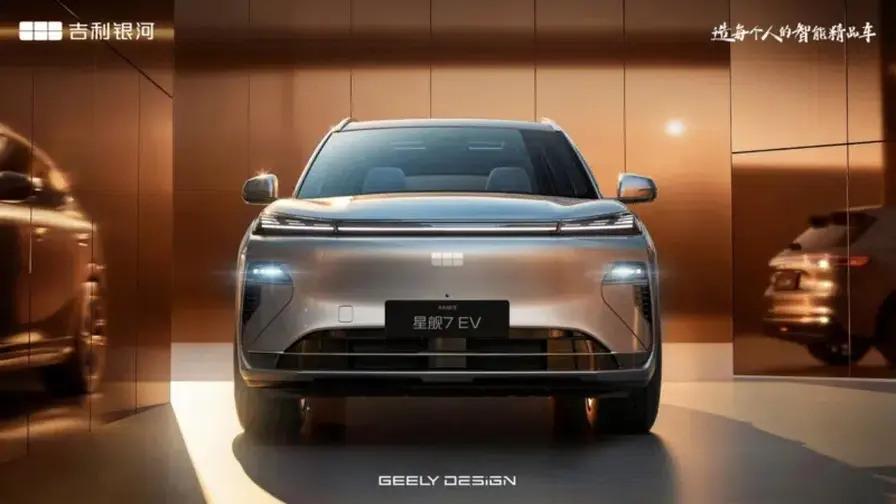
There are risks. Brand perception, supplier integration, and regulatory shifts remain wildcards. But the image of Valencia evolving into a hybridized production hub — a place where Swedish, British, and Chinese engineering converge — is compelling. This is not just a factory investment. It’s a bet on manufacturing geography, regulatory strategy, and the stubborn fact that car buyers still care about how a car feels on the road.

“I cover automotive innovation, electric vehicles, and the future of mobility — where technology meets sustainability.”

Discussion
Leave a Comment
Comments
No comments yet. Be the first.