
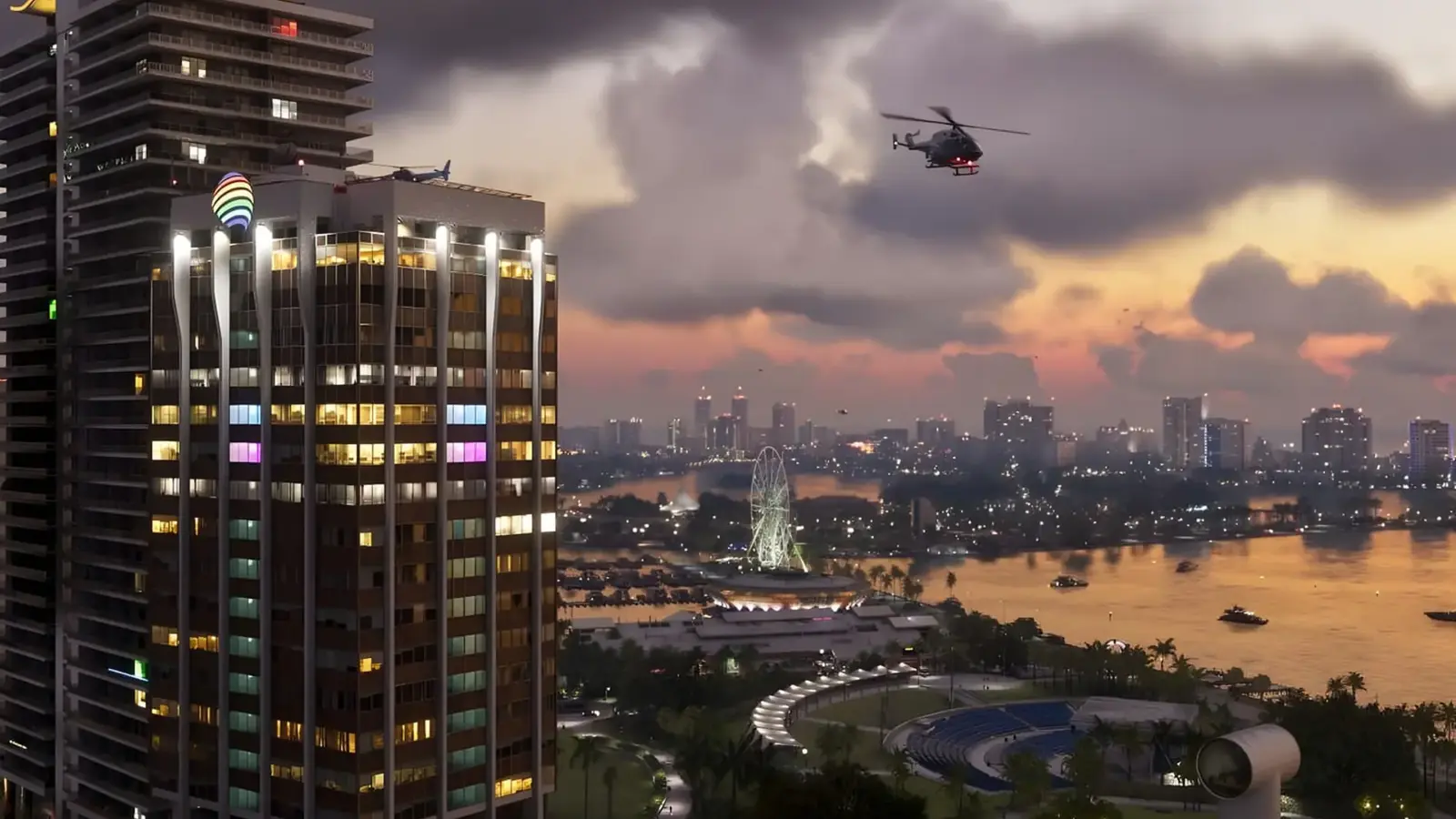
There was a moment during GTA 6's long development when the world inside the game looked like a real neighborhood: shops with aisles, carts to push, items to pick up, and a fridge waiting back at home. The idea felt deliciously immersive. It also almost broke the game.
When realism becomes a chore for players
Rockstar experimented with a grocery mechanic that let protagonists Jason and Lucia buy consumables at dedicated supermarkets and carry them home to refill an actual in-game refrigerator. Designers built stores with varied food items and a system to track those purchases. It was meant to add texture and routine, to make the city feel lived-in.
Then the practical problems appeared. Complexity crept in. Systems multiplied. What began as a flavor detail risked turning into a repetitive task that dominated play sessions. Developers found themselves balancing purchase menus, inventory transfers, and fridge states instead of focusing on moments that make open-world games memorable: missions, emergent encounters, and character-driven choices.

Rob Nelson, a senior director at Rockstar, confirmed the experiment. He explained the team tried the grocery feature during development, but ultimately felt it made gameplay less enjoyable rather than more realistic. The lesson was blunt and clear: not all realism improves the player experience.
Rockstar chose playability over hyper-realism.
Think about it. Players rarely want chores in their entertainment. They want meaningful interactions. A mechanic that requires frequent trips to a virtual supermarket can add atmosphere, yes, but it can also disrupt pacing and turn an open-world escape into a collection of errands.
The removal also reflects a broader design principle in modern game development. Realism is valuable when it deepens choices or consequences. It falters when it becomes busywork. Rockstar's decision to drop the grocery and fridge mechanic shows an awareness that living worlds must serve gameplay, not the other way around.
Will similar ideas reappear? Possibly, in a different form. A streamlined survival element, a one-off mission tied to shopping, or a narrative beat that uses domestic detail could all capture the original intent without bogging down players. For now, GTA 6 keeps its focus on storytelling, spectacle, and the kinds of emergent moments that players talk about long after they turn the console off.
.webp "GTA 6 Release Date Rumours: 2027 Delay Debunked")

“I love exploring gadgets, apps, and trends that redefine how we connect, work, and play in a digital world.”

Discussion
Leave a Comment
Comments
No comments yet. Be the first.