
Stroll past flagship displays in Shanghai and you sense something subtle: fewer bargain banners, more premium placards. The headline number is small yet consequential. Counterpoint Research's preliminary data show China’s smartphone shipments dipped 2 percent year on year in Q2 2026, but that modest contraction masks a reshuffle at the top.
Component inflation is the backstage culprit. Memory and storage costs surged, and manufacturers responded by prioritizing margins over sheer unit growth. That decision rebalanced the market. It favored brands that could sell higher-ticket models without shocking price moves.
Premium phones hold the line
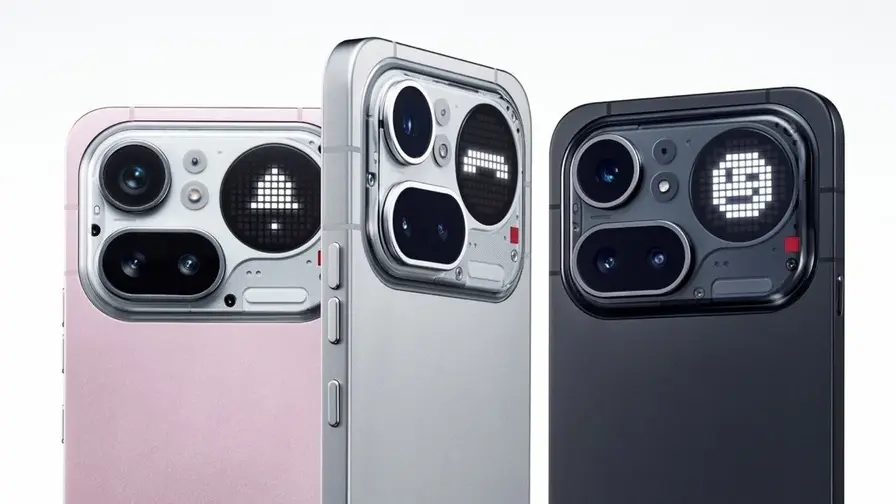
Huawei moved to the front. The company grabbed roughly 23 percent market share in Q2, its strongest position since late 2020, and posted a 24 percent rise in shipments year on year. Demand for the Enjoy 90 Pro Max was steady, and the Pura X Max, with its wide-foldable design, proved there is still untapped appetite in the premium foldable niche.
Apple matched that momentum, also recording about a 23 percent uplift in shipments. While many Android vendors felt compelled to raise retail prices as component costs climbed, Apple kept iPhone 17 pricing comparatively stable. Rumors of a possible iPhone price increase in Q3 nudged some buyers to upgrade sooner rather than later. The result: Apple converted market uncertainty into earlier purchases.

For most Chinese Android makers the quarter was tougher. Oppo, Vivo, and Xiaomi scaled back low-end production, shifting resources toward profitability. They leaned on dependable midrange and mass-market offerings like the Reno 16, Y600 Pro, and Redmi K90 series to soften the blow. It is a strategic pause more than a retreat, but one that changes the competitive map.
Don’t expect relief soon. The industry got through the first half of 2026 using cheaper memory lots bought late last year. As higher-cost components reach assembly lines in the second half of the year, another round of price rises across models is likely. Consumers should prepare for sticker shock to ripple outward.
The squeeze is global. India felt it sharply in Q2, with shipments plunging about 10 percent and average prices jumping 15 percent. Budget phones were the hardest hit while premium devices remained relatively resilient. Vivo stayed on top in India, and Nothing posted a rare surge, growing roughly 105 percent thanks to its Phone (4a). Counterpoint now expects India to shrink about 13 percent this year as affordability becomes a wider constraint.
Expect the next phase of consolidation to be price-driven: component inflation is reshaping product mixes and rewarding brands that can sell premium without rattling buyers.
The takeaway is straightforward. A small overall decline in shipments does not mean the market is broken. It means the market is changing. Manufacturers and consumers alike are reacting to a new cost reality, and winners will be those who navigate pricing, inventory, and product positioning with the clearest heads.

“I cover emerging technologies, digital innovation, and the intersection of tech and everyday life. My goal is to make complex trends accessible and inspiring.”

Discussion
Leave a Comment
Comments (2)
Is this even true? component inflation is a convenient scapegoat, or are we seeing inventory timing and margin plays? feels like brands nudging users to pay up, someone correct me
wow Huawei back in force? didnt expect that. Premium push makes sense, but ouch for budget buyers. Prices gonna sting, midrange folks squeezed… curious how long this lasts