
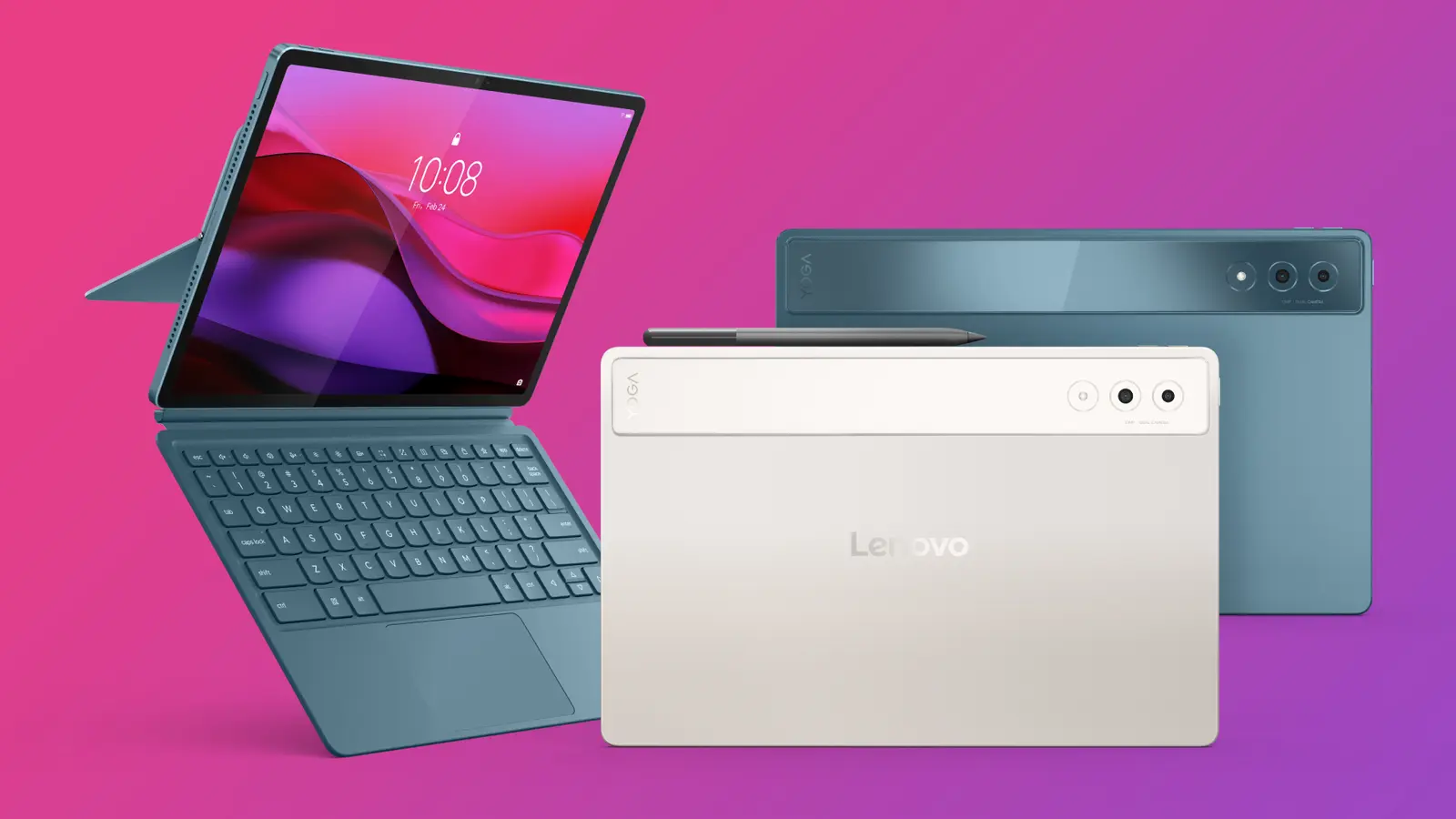
Imagine a tablet that starts as a sketchpad, becomes a portable monitor, then settles into a sofa-friendly streaming companion without missing a beat. That is the story Lenovo is selling at IFA 2026, and it comes with screens so sharp they make last year’s tablets look sleepy.
Lenovo unveiled two new Yoga Tab Gen 2 models that aim to blur the line between creative workstation and entertainment hub. They do it with unusually bold hardware choices for Android tablets: 4K panels, 144Hz refresh rates, and brightness peaks that tackle daylight glare. But the headlines are only part of the argument. What really changes the calculus is Lenovo’s software promise, which treats the tablet as a long-term investment rather than a disposable gadget.
Big panels, faster frames, and long-term support
The smaller Yoga Tab Gen 2 packs an 11.1-inch 4K display and a 144Hz refresh rate, with peak brightness reaching around 1,100 nits. Under the hood sits the MediaTek Dimensity 9500s, paired with 8 or 12 gigabytes of RAM and 128 or 256 gigabytes of expandable storage. Battery life is addressed with a hefty 11,000 milliamp-hour cell and 68-watt fast charging. The chassis is thin, at roughly 8.56 millimeters, and it tips the scales at about 480 grams.

The Yoga Tab Plus Gen 2 stretches to a 13-inch 4K PureSight Pro panel, matching the 144Hz cadence and the same peak brightness figure. Qualcomm’s Snapdragon 8 Elite with an Oryon CPU drives this larger sibling. Memory and storage climb to 12 or 16 gigabytes of RAM and 256 or 512 gigabytes of expandable storage. Lenovo also fits a larger 12,700 milliamp-hour battery, again with 68-watt charging, and outfits the Plus model with six speakers for a fuller soundstage. Camera rigs are practical: a 13-megapixel main shooter backed by a 2-megapixel secondary, plus an 8-megapixel front camera supported by a tiny 0.3-megapixel sensor for depth or presence sensing.
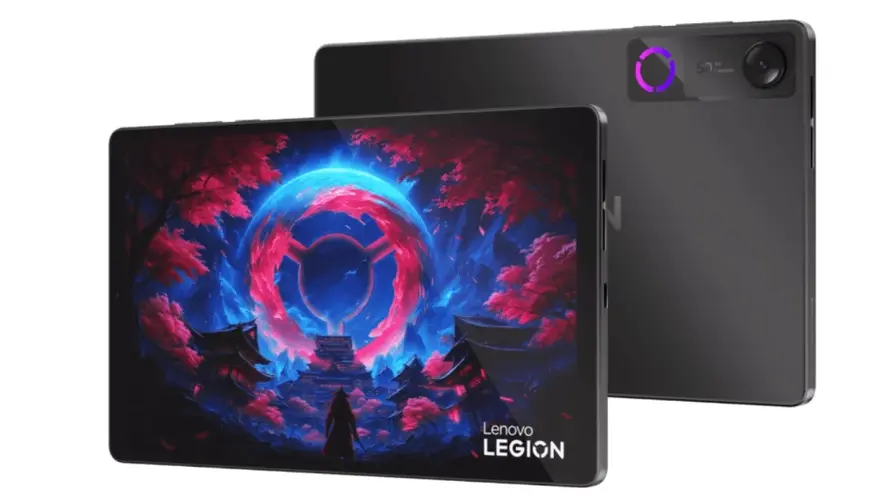
Both tablets embrace modern connectivity: Wi-Fi 7, Bluetooth 6.0, and USB-C 3.2 Gen 1. For professionals and creators, there are optional magnetic keyboards and Lenovo’s Tab Pen Pro 2 stylus with tailored software features for drawing, note-taking, and quick capture. A little design flourish: a rear status light that reacts to music, video, and games, a small touch that makes the device feel alive in a living room rather than strictly technical.
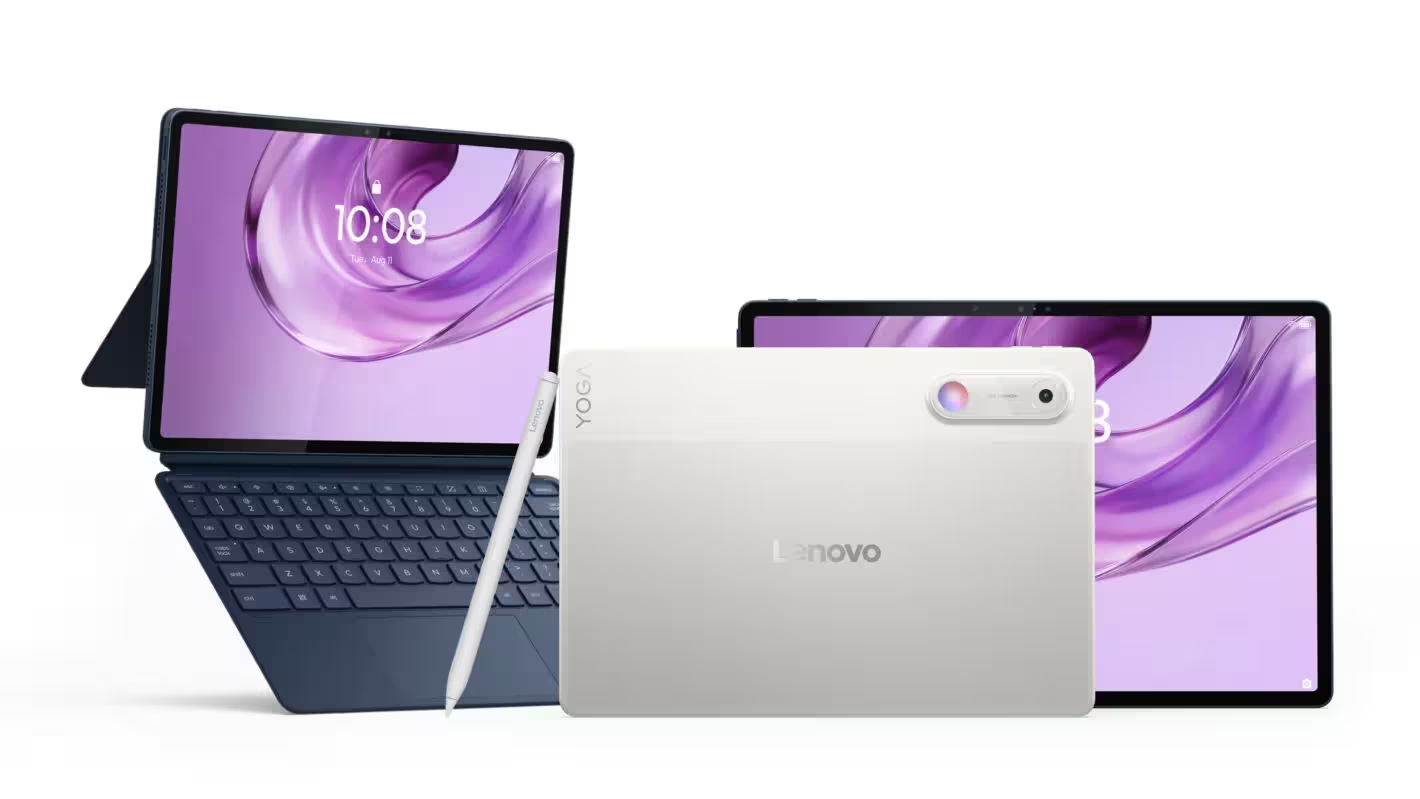
Now the pledge that matters for anyone thinking beyond two years of use: Lenovo promises seven major Android OS upgrades and seven years of security updates. Shipments begin with Android 17 and the company says the update chain will extend through Android 24, with security maintenance continuing until 2033. That’s the kind of lifespan more commonly associated with premium laptops than with tablets.
Why does this matter? Because hardware without sustained software support ages quickly. New apps demand updated APIs, security patches plug vulnerabilities that attackers chase immediately, and OS-level features unlock productivity and AI experiences that can only be relied on when manufacturers commit to long-term updates. Lenovo’s move signals that tablets are maturing into devices users expect to keep, not replace.
On the pricing front, Lenovo positions these as premium propositions. The Yoga Tab Gen 2 starts at about €680, while the larger Yoga Tab Plus Gen 2 begins near €930. Both should arrive for sale this month.
There is a risk. Pushing 4K at 144Hz on a tablet invites trade-offs: battery longevity under heavy loads, thermal behavior, and real-world usefulness of such high refresh rates outside gaming. And while seven OS upgrades sound great, the actual cadence and feature parity of those updates will determine whether users truly get a laptop-like longevity.
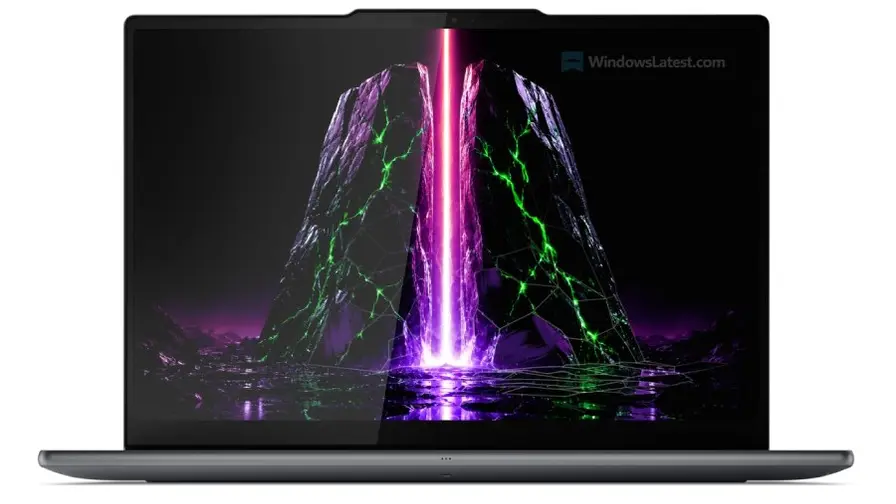
Still, the narrative is clear. Lenovo is betting that buyers will value a tablet that can serve as a creative surface, a media center, and a secured platform for years to come. If the company follows through, these Yoga Tabs could nudge the market toward longer-lived, more capable Android tablets. For anyone who treats a tablet as more than a casual companion, that is a welcome shift.

“I love exploring gadgets, apps, and trends that redefine how we connect, work, and play in a digital world.”

Discussion
Leave a Comment
Comments (2)
Is 4K at 144Hz on a tablet actually useful? Sounds like a battery killer, or is Lenovo hiding some magic cooling? I'm skeptical
wow, a 13-inch 4K tablet with 144Hz and 7 years of updates? Lenovo actually went all in. Battery/thermals worry me tho.. but damn, stylish