
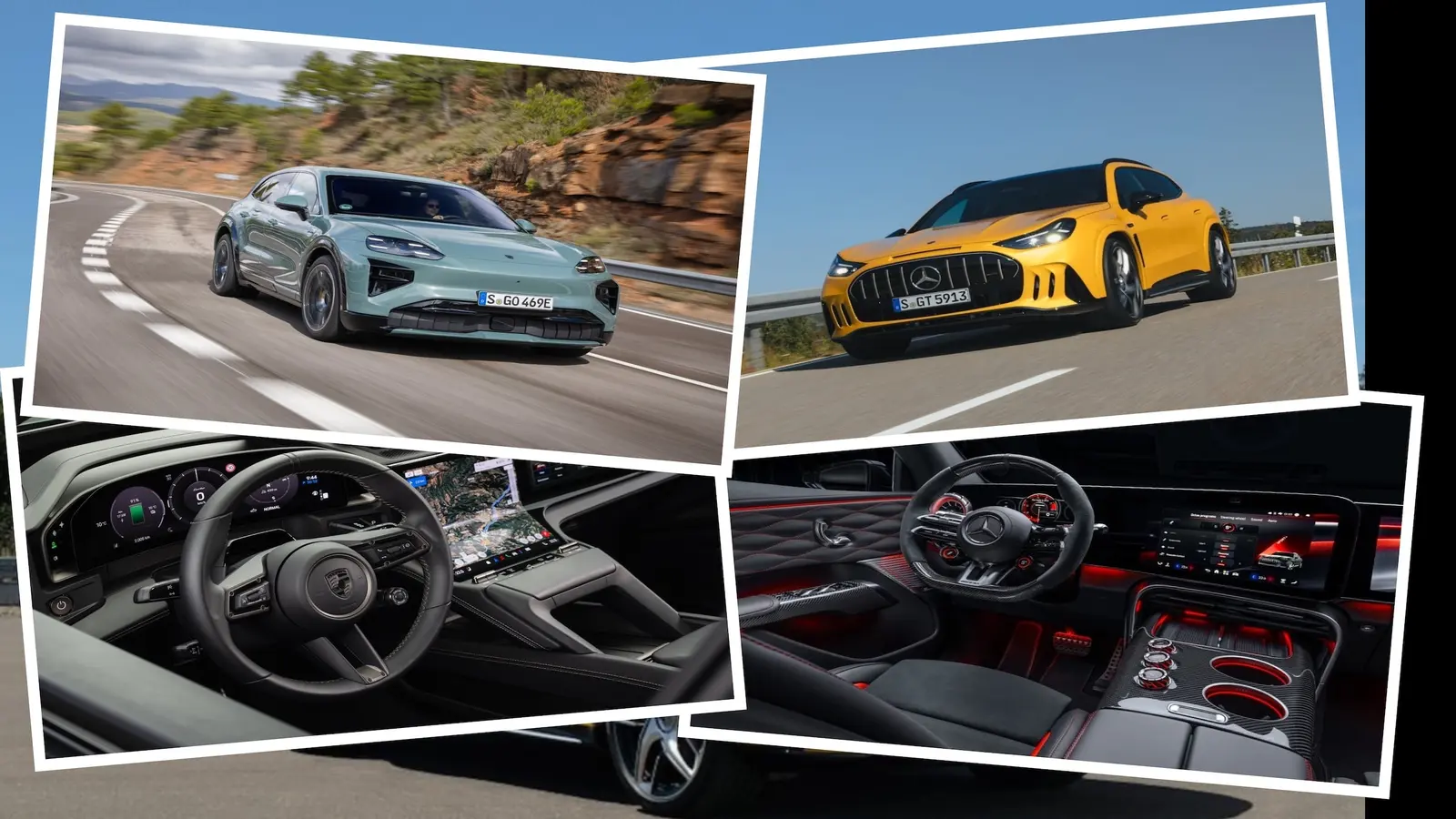
Mercedes-AMG's all-new GT 63 SUV is now rated as the world's most powerful SUV, with a factory figure of 1,153 horsepower, edging the Porsche Cayenne Turbo Electric by 14 horsepower.
Performance and powertrain
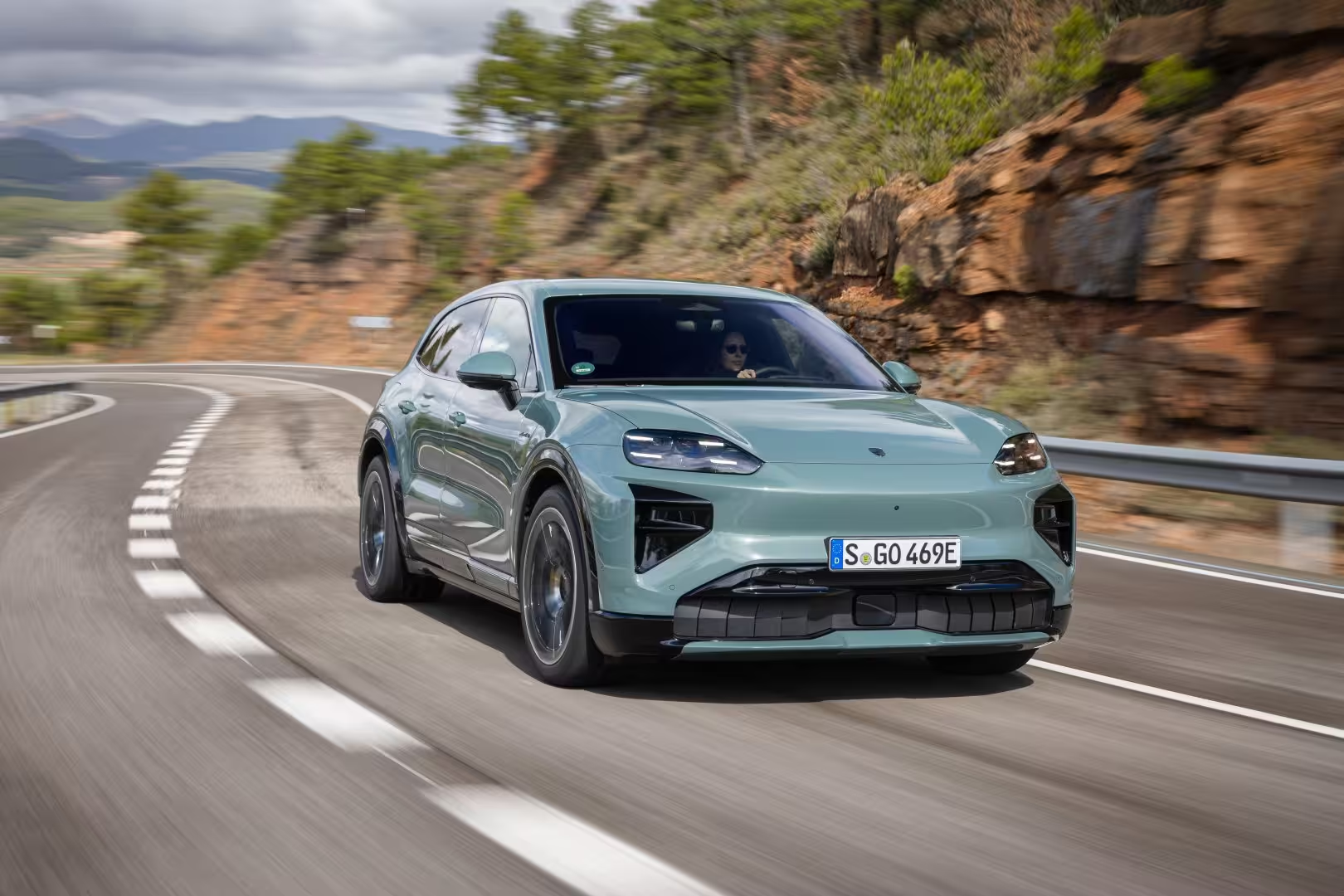
The GT 63 delivers a factory rating of 1,153 horsepower (1,169 metric horsepower) from a tri-motor powertrain using axial flux motors: two rear units packaged together on the rear axle and a single front motor acting as a booster. Porsche's Cayenne Turbo Electric trails by 14 horsepower. Both SUVs use all-wheel drive and produce four-figure power outputs intended to compete with hypercar-level acceleration.
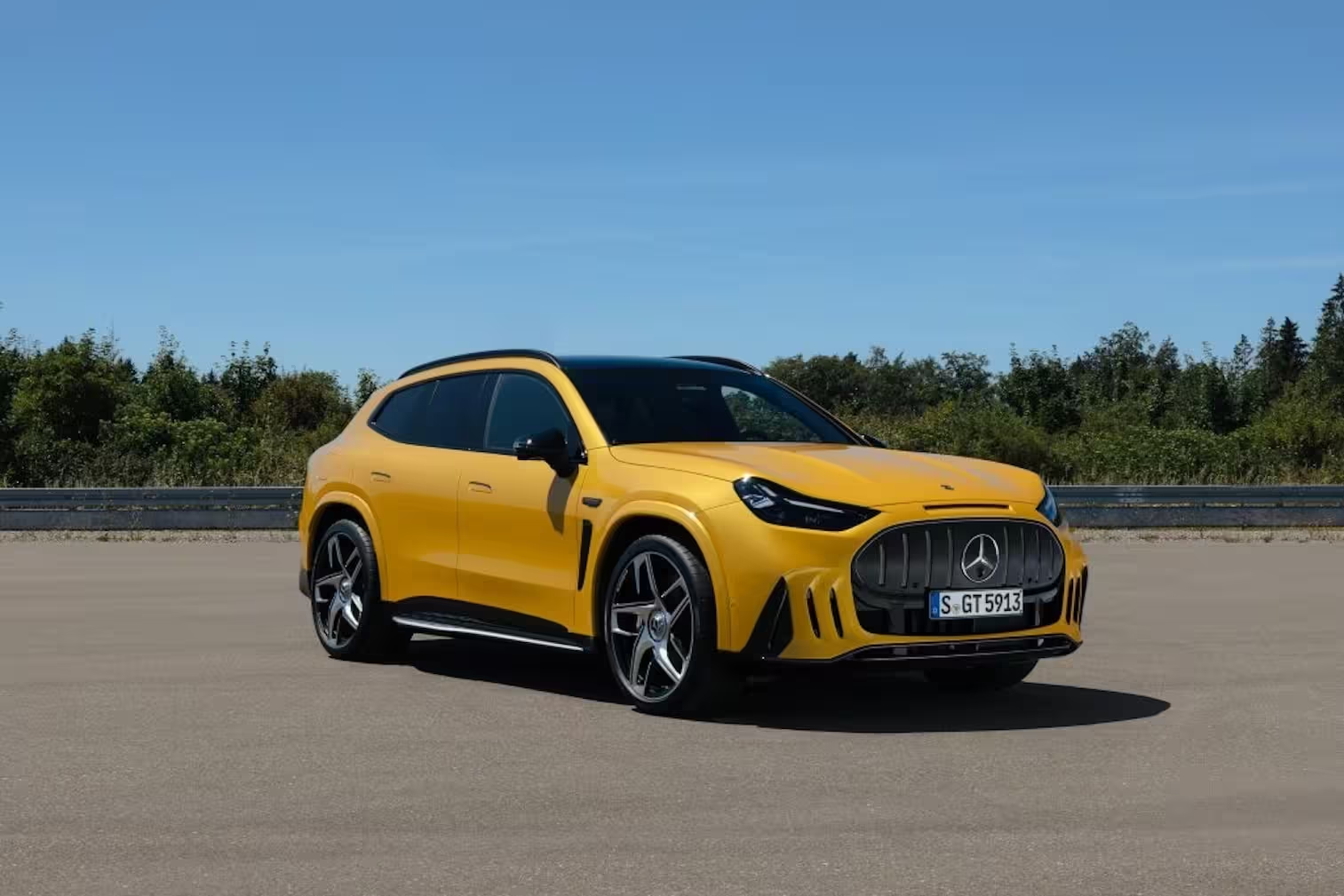
- Mercedes-AMG GT 63: 1,153 hp (1,169 metric hp)
- Porsche Cayenne Turbo Electric: 14 hp less than the GT 63
- Lucid Gravity GT-S: 1,070 hp (1,085 metric hp)
- Tesla Model X Plaid: 1,020 hp (1,034 metric hp)
- GMC Hummer EV: 1,000 hp (1,014 metric hp)
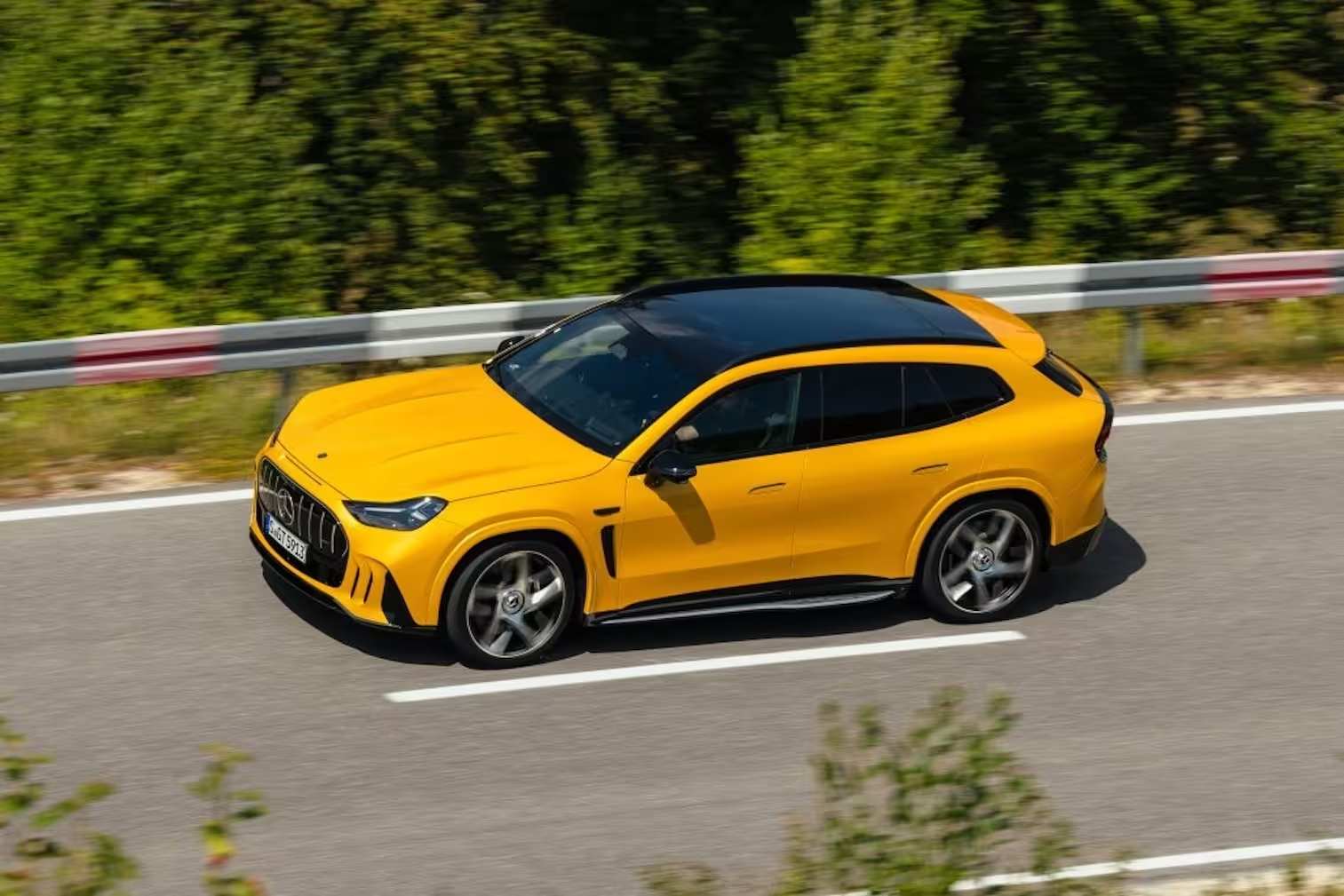
Both the Mercedes-AMG GT 63 and the Porsche Cayenne Turbo Electric are quoted at 0 to 60 mph in 2.4 seconds. Top speed for the Mercedes is 168 mph (270 kph); the Porsche’s digital speedometer is limited to 162 mph (260 kph). The two SUVs are heavy: the Mercedes weighs 5,941 pounds (2,695 kilograms) and the Porsche 5,831 pounds (2,645 kilograms). Mercedes says the GT SUV is the first AMG SUV entirely developed in Affalterbach and built in Sindelfingen.
Battery, range and packaging
Both models use a skateboard layout with high-voltage battery packs integrated into the floor between the axles. Mercedes equips the GT 63 with a 128-kWh battery pack and quotes a WLTP range of up to 435 miles (700 kilometers); Mercedes warns the EPA test could cut that figure by as much as 100 miles. Porsche fits a 113-kWh battery pack with a WLTP range up to 387 miles (623 kilometers) and an EPA-equivalent figure of roughly 330 miles (531 kilometers).
Mercedes says the GT 63 gains range from its larger battery and from an aggressive front-axle disconnect strategy that reduces energy use when cruising.
Interior, dimensions, equipment and pricing
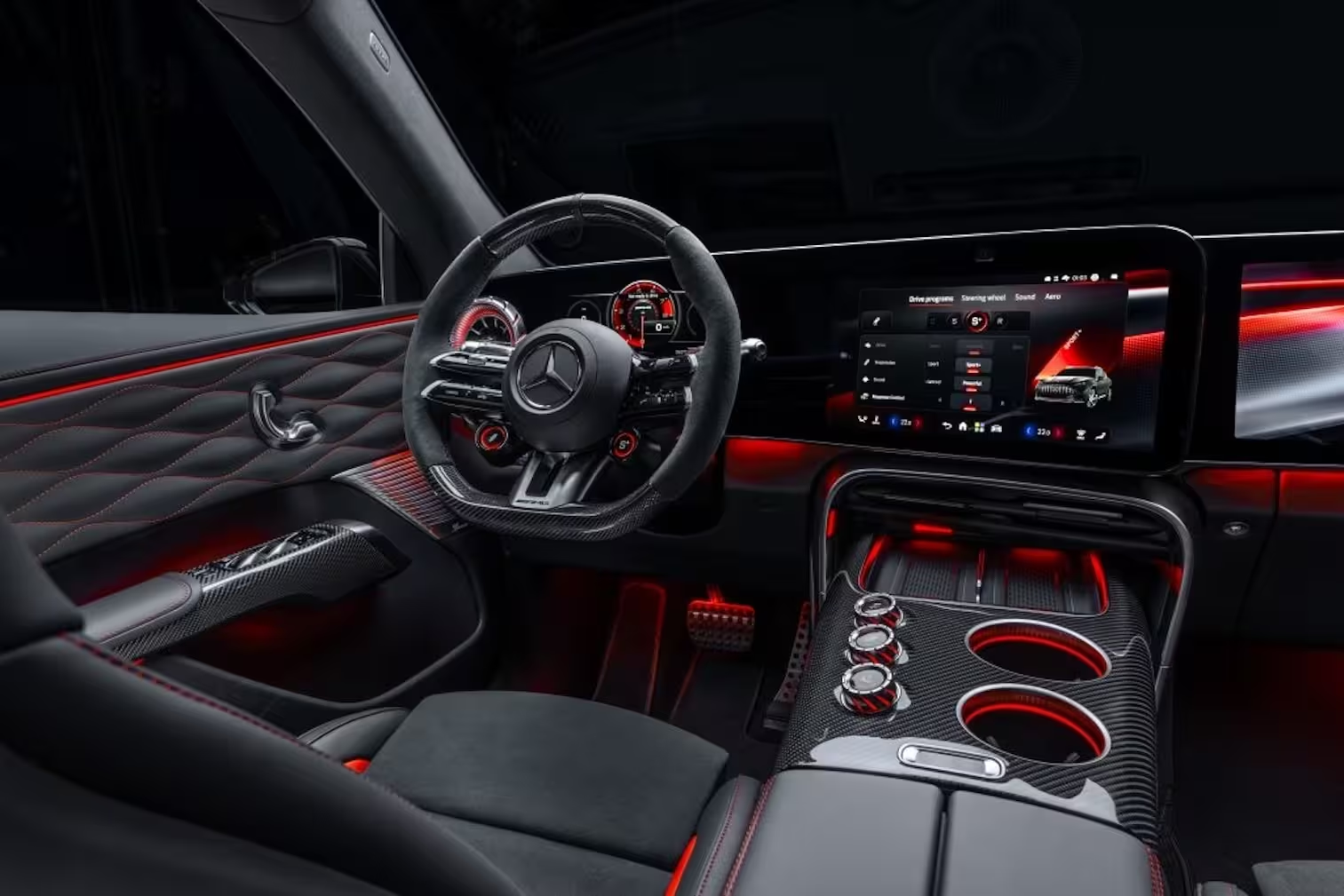
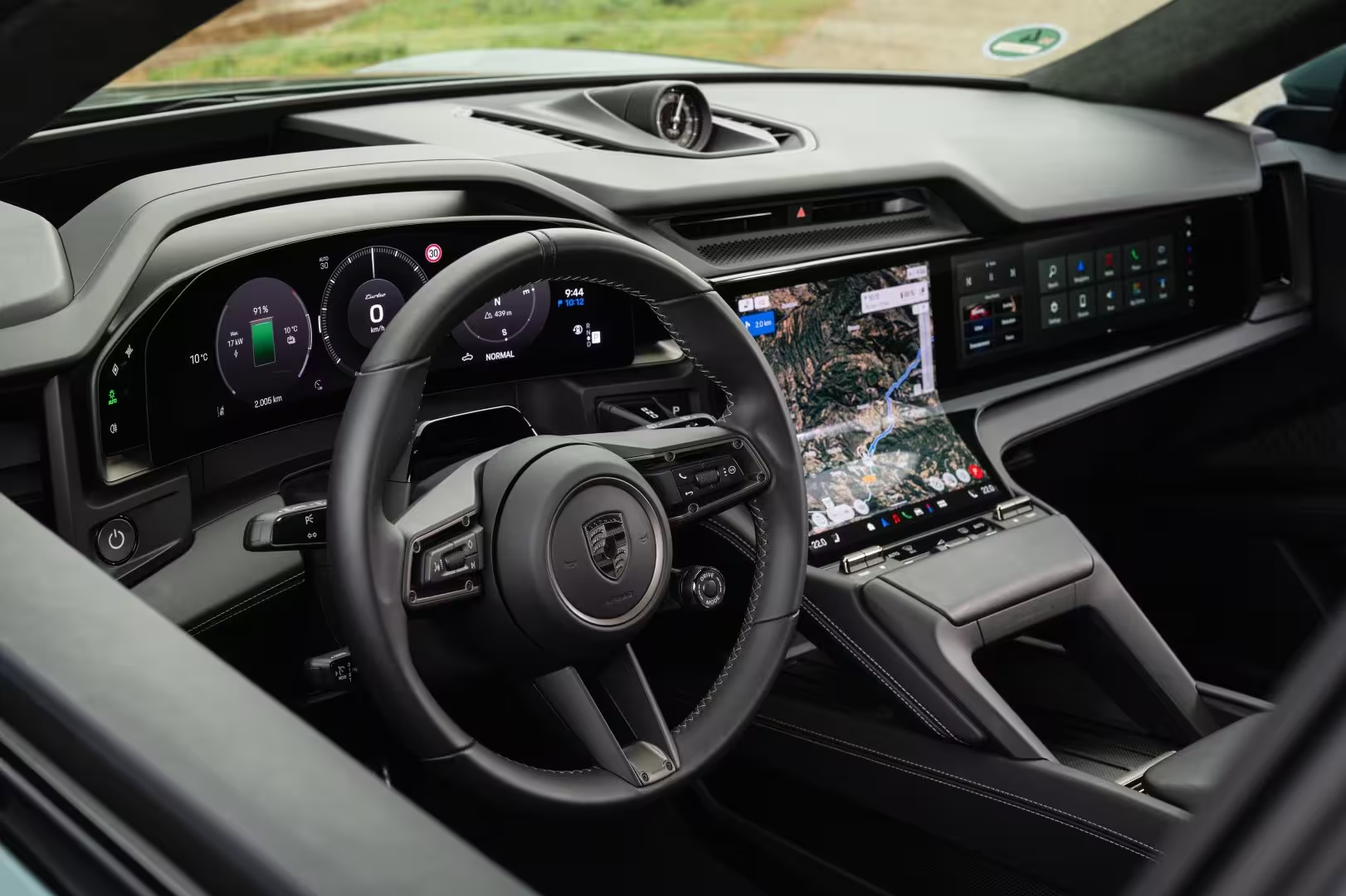
The Cayenne Turbo Electric offers a larger screen area, including a 14.25-inch curved OLED instrument cluster, a 12.25-inch curved center touchscreen and an optional 14.9-inch display with streaming and gaming features. The AMG GT 63 places driving data on a 10.2-inch digital instrument cluster and uses a 14.0-inch center display; it also offers a 14.0-inch passenger screen. Mercedes has described the GT 63’s cabin as having an ultra-low, grand-tourer-like seating position, while Porsche retains a higher, more traditional SUV view over the hood.
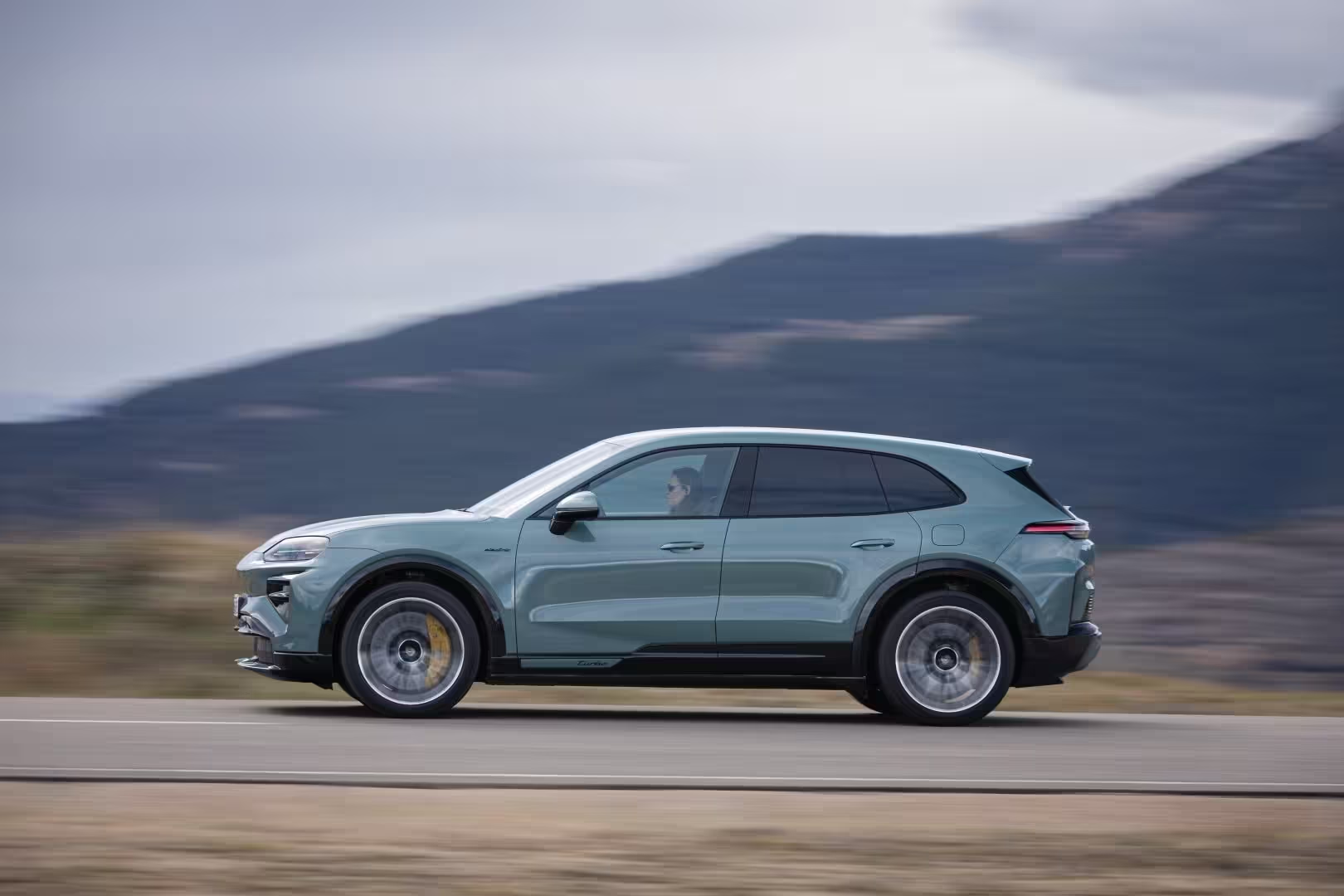
Exterior and chassis differences include wheel options and ride systems. Porsche lists 22-inch wheels from the factory; Mercedes offers up to 23-inch wheels. The AMG GT 63 measures 200.2 inches (5,084 millimeters) long with a 119.7-inch (3,040 millimeter) wheelbase; the Cayenne is 196.3 inches (4,985 millimeters) long with a 119.0-inch (3,023 millimeter) wheelbase. Mercedes fits AMG Active Ride Control+, which replaces conventional anti-roll bars with triple-stage adjustable air springs and active hydraulic elements. Porsche’s Active Ride produces large independent vertical forces at each wheel, leans the vehicle into corners to offset lateral forces and raises ride height by 2.16 inches (55 millimeters) when the doors unlock.
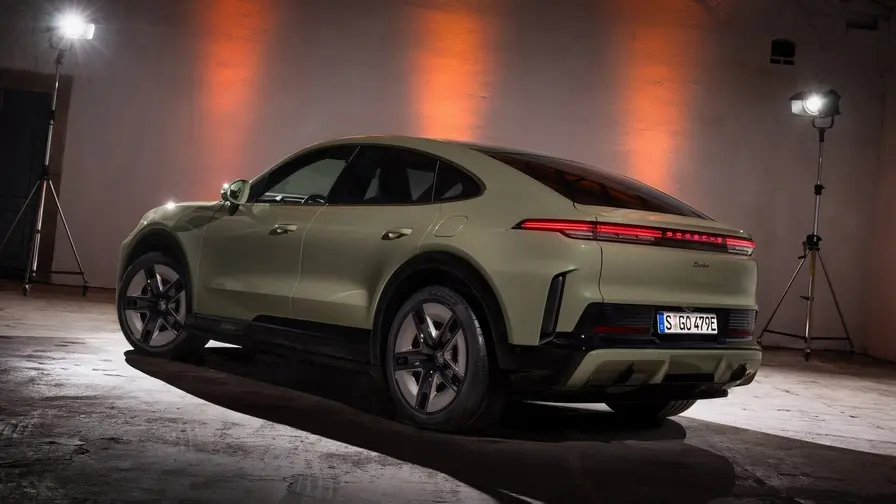
Pricing is disclosed for the Porsche: the Cayenne Turbo Electric starts at $163,000 in the United States, and the Coupe version starts at $172,700. Mercedes has not yet announced pricing for the AMG GT 63 or its GT 55 and GT 53 siblings; the range-topping GT 63 is expected to reach about $200,000 before fees and options.

“I cover automotive innovation, electric vehicles, and the future of mobility — where technology meets sustainability.”

Discussion
Leave a Comment
Comments
No comments yet. Be the first.