
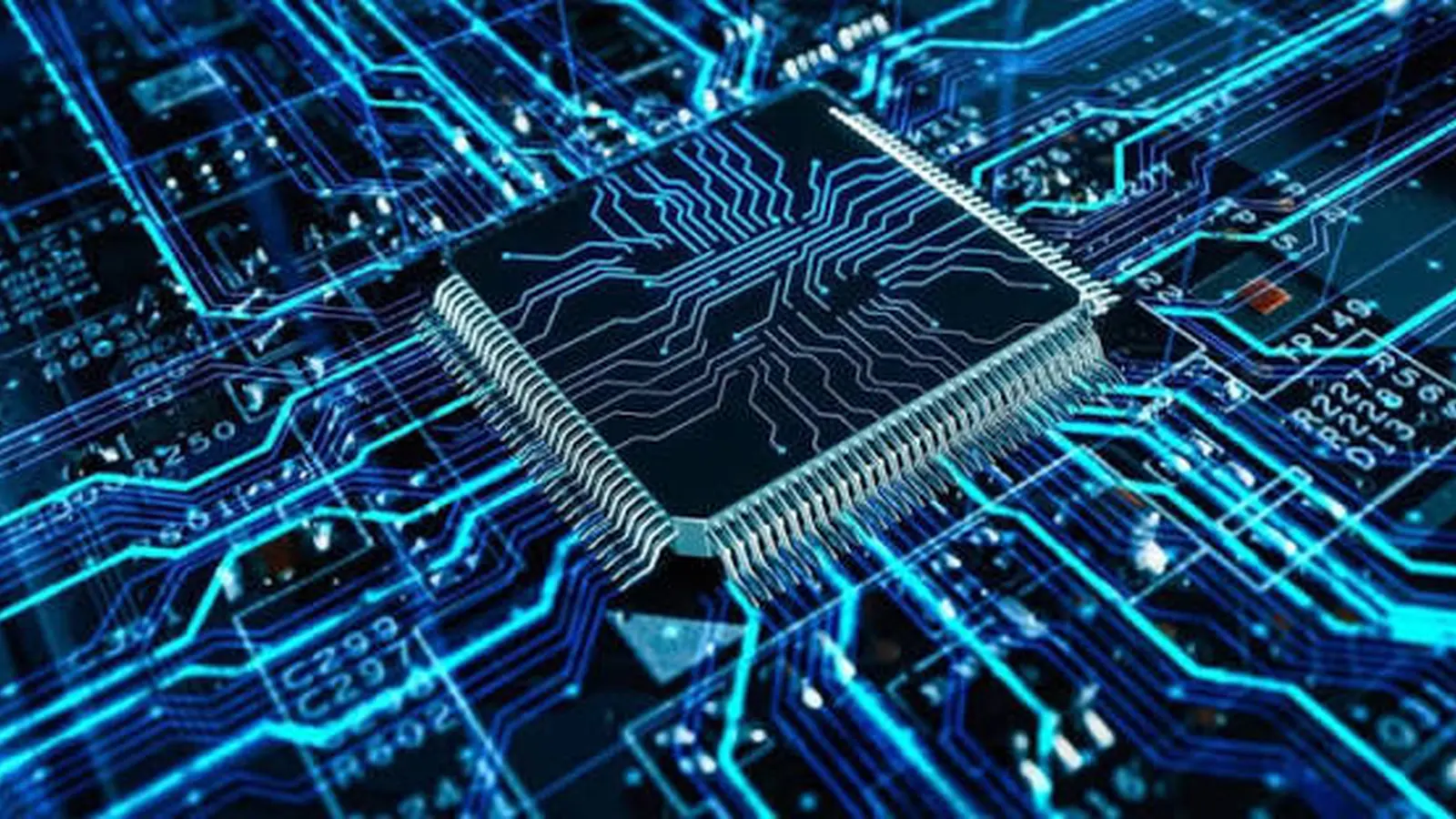
The image of a tech giant quietly shelving a moonshot is jarring. Meta bought a promising startup to cut its dependence on external GPUs, but the project seems to have run into a brick wall.
Last year Meta acquired Rivos for about €1.85 billion, a move meant to seed the company with custom silicon knowhow. Six months after the deal closed, sources say the integration has faltered. More than a quarter of the Rivos staff who joined Meta were let go, and development of the chip intended to train Meta’s AI models has been put on pause.
When ambition collides with scale
Rivos was built around RISC-V, an open instruction set that promises flexibility. The startup had raised roughly €345 million before the purchase and even shipped a CUDA-compatible processor to TSMC for trial manufacturing. That sounds concrete on paper. Reality is messier.
Why did it stall? Several hard truths. Designing a competitive AI training chip is not just about silicon. You need a cohesive software stack, tight integration with data center infrastructure, compilers that translate high-level frameworks, and years of performance tuning. Meta’s teams had to align hardware, low-level software, and sprawling infrastructure across a company that already runs some of the world’s largest machine learning workloads. Alignment proved much harder than expected.

There is also the compatibility problem. Meta wanted chips that work with existing CUDA-based tooling to ease adoption. Building hardware that behaves like established GPUs while delivering efficiency and better cost per training cycle is technically demanding and risky. Add manufacturing partners, validation testing, and the blunt realities of timelines. Delays follow.
Strategically, the idea was sensible. Custom chips promised lower long-term costs and more control compared with buying commoditized GPUs. But cost savings only materialize if the hardware hits performance and reliability targets. That is a high bar when the alternative, suppliers like Nvidia, continue to push forward with new generations of accelerators.
So what happens next? For now, the work is paused rather than dead. Meta can regroup. It could narrow the project scope, double down on partnerships, or reassign talent to nearer-term infrastructure wins. It might also keep some RISC-V experiments alive while relying on proven accelerators for production workloads.
Meta’s custom silicon push has encountered serious friction, but the pause reflects the difficulty of matching software, hardware, and scale rather than a simple change of heart.

“I love exploring gadgets, apps, and trends that redefine how we connect, work, and play in a digital world.”

Discussion
Leave a Comment
Comments
No comments yet. Be the first.