
Imagine opening your calendar and finding a short, clear plan for the day already waiting for you. No frantic toggling between apps. No notes scattered across tabs. Just a smart assistant that knows your schedule and can act on it.
Meta wants its AI to do more than chat
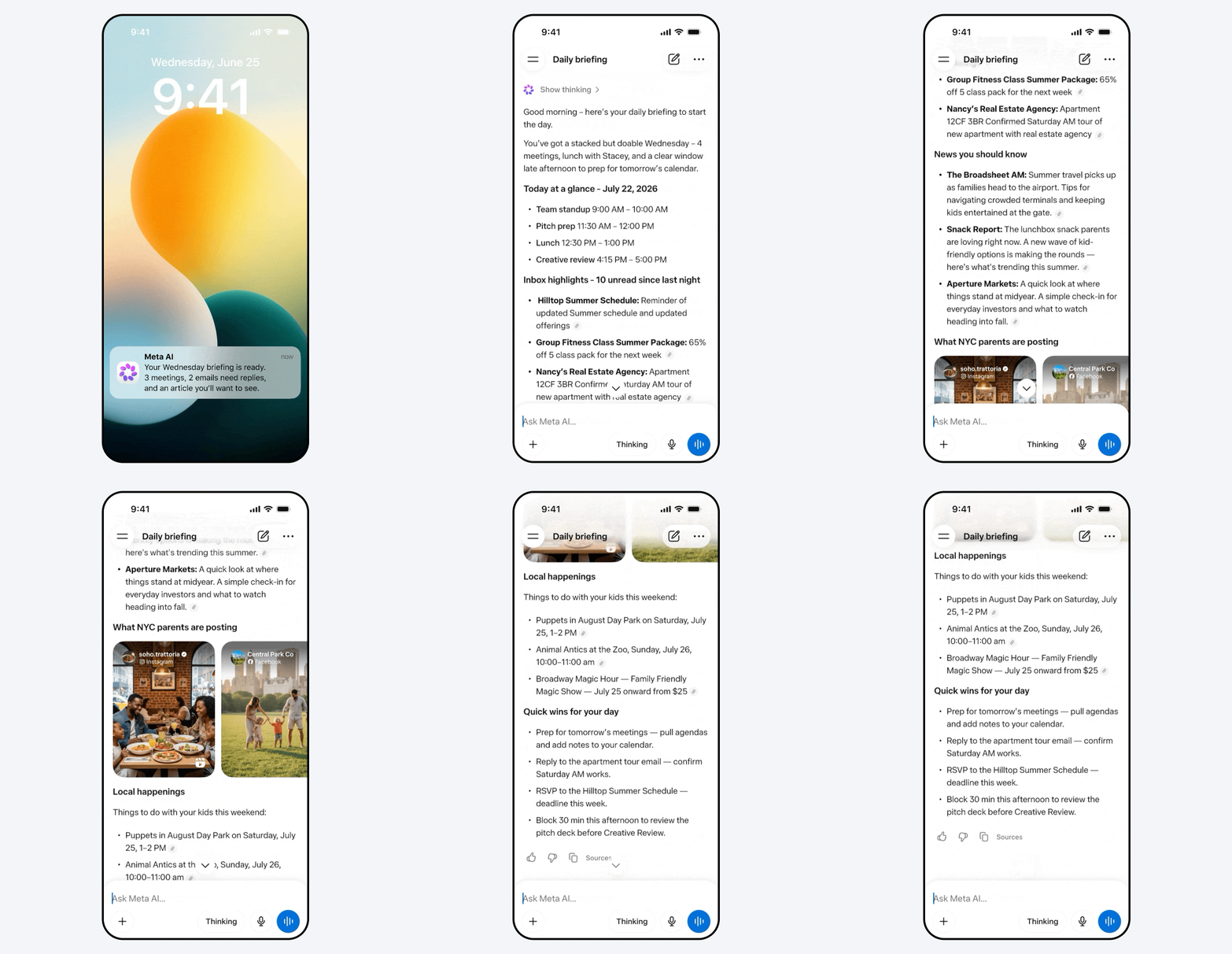
Meta has upgraded its AI assistant with calendar access, guided deep research, and routine automation. Built on the new Muse Spark 1.1 model, the update lets Meta AI read your calendar, suggest the best day for an event, hunt down secondhand furniture in Facebook Marketplace that fits a renovation budget, and even shortlist restaurants that match your plans. It can generate daily summaries, assemble research into reports or presentations, and follow threaded instructions so it performs ongoing tasks without being reminded every time.
That shift feels deliberate. Until recently, Meta's product leaders framed the company around entertainment and social connection rather than productivity. Now the company is quietly leaning into tools that take real work off your plate. The idea, according to Meta, is a step toward what CEO Mark Zuckerberg has called a personal superintelligence: an assistant that understands context and carries out complex, multi-step tasks on your behalf.
What stands out is autonomy. Tell the assistant once to track your weekly meal plan, keep an eye on inventory for a small business, or produce a morning briefing, and it will surface updates without repeated prompts. Want the final output in slide form or a short memo? It can reformat the same information into different deliverables. Need to change course while it works? You can nudge the response pathway mid-generation, steering the research or the tone much like interactive options available in other advanced chat models.
Yes, there are echoes of competitors. Many of the capabilities will feel familiar to users of ChatGPT, Gemini, or Anthropic's Claude. But Meta is packaging those features into the places people already use: the Meta AI app and the web interface at launch, with a wider rollout planned to more countries and integrations such as WhatsApp in the coming weeks.

From a product perspective this is meaningful. It moves Meta away from purely social use cases and toward utility. The assistant is not just responding to questions; it is anticipating needs, organizing information, and acting on signals pulled from your account when you permit it. That raises obvious questions about privacy and control. Meta says these capabilities will roll out in selected markets first, giving users time to explore and provide feedback.
There is also a human factor. Productivity tools live or die by how naturally they fit into daily routines. A calendar-aware assistant that suggests meeting times is useful only if the suggestions feel sensible, and a shopping assistant that hunts listings must match what people actually want to buy. Meta's bet is that tighter integration with Facebook's ecosystem and the ability to execute multi-step tasks will make its assistant feel less like a novelty and more like a personal tool.
Whether this marks the start of a new phase for Meta will depend on adoption and trust. The technology is capable. Muse Spark 1.1 brings better text generation, image creation, and question answering to the table. Implementation will determine whether users welcome an assistant that plans, researches, and follows through—or whether they treat it as another feature they try and forget.


“I love exploring gadgets, apps, and trends that redefine how we connect, work, and play in a digital world.”

Discussion
Leave a Comment
Comments (2)
feels overhyped but kinda handy. Facebook integration is clever tho, gotta trust it with my data first. Will it actually free up time or just add noise?
Is Meta really gonna babysit my calendar? Sounds useful, but who gets to snoop on my meetings... privacy feels fuzzy, and what about accidental auto-actions?