
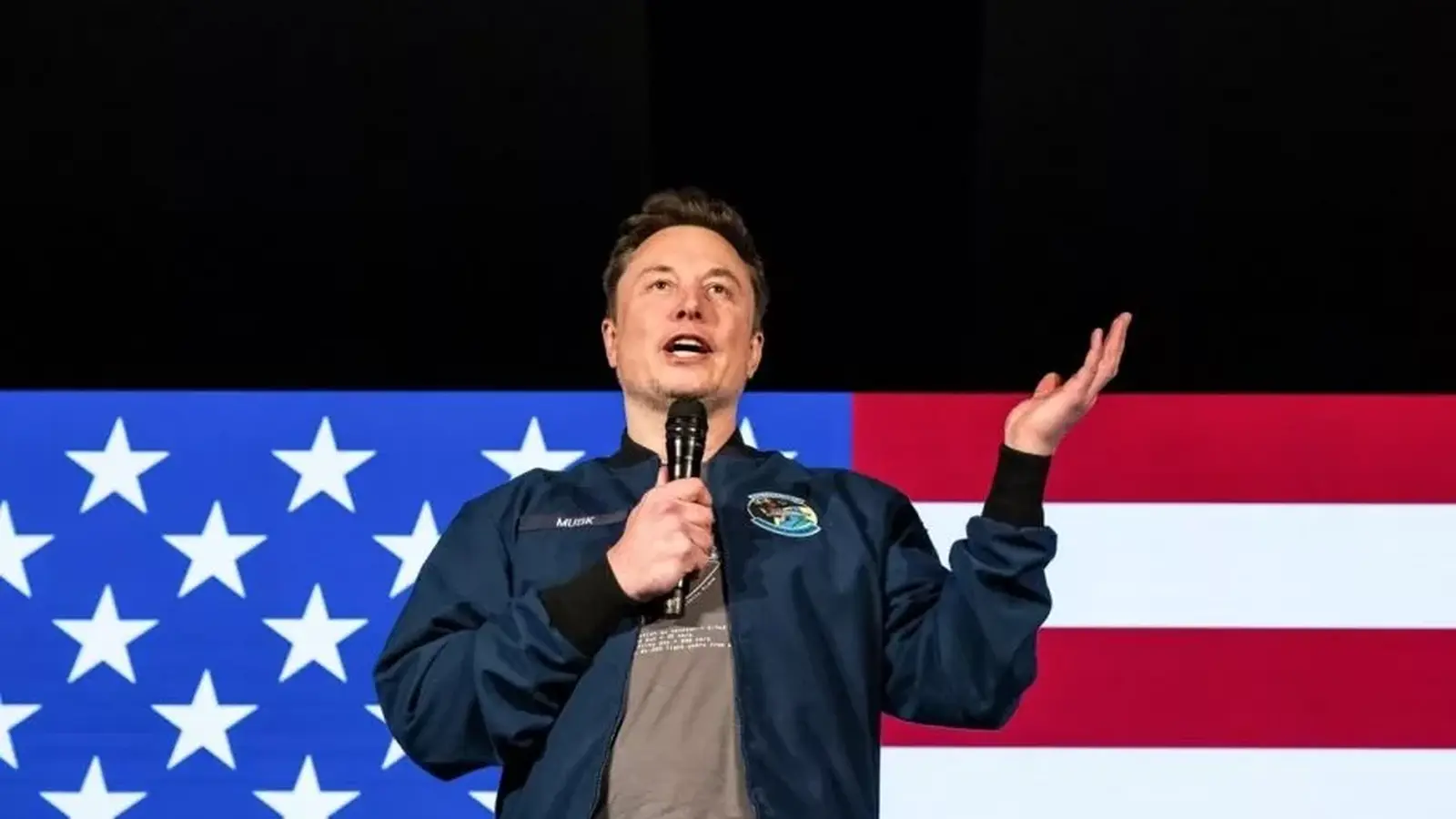
Imagine waking up to an unexpected deposit from the Treasury. No forms. No qualifiers. Just money landing in your bank account. That image is the cornerstone of a recent proposal from Elon Musk, who has suggested that the U.S. Treasury start sending cash directly to citizens to blunt the economic fallout from artificial intelligence and robotics.
Musk, who has been in the headlines as the world's newly minted first trillionaire, floated the idea on X. His argument is simple, if unsettling: as machines make more goods and services faster and cheaper, the supply side of the economy could surge while purchasing power lags. When production grows faster than the money supply, inflation is not the threat he worries about. Instead, the worry is a collapse in demand and a stagnant labor market as automation replaces jobs.
When tech wealth and public policy collide
The proposal did not appear in a vacuum. It was partly a direct reply to concerns raised by J. D. Vance, the U.S. vice president, in a recent podcast appearance. Vance warned that some tech leaders, including Musk and OpenAI chief Sam Altman, may be painting apocalyptic AI scenarios as a marketing strategy for their ventures. He also voiced a political worry: if the leading AI firms capture enormous value in the decades ahead, that bounty may not trickle down to ordinary workers.
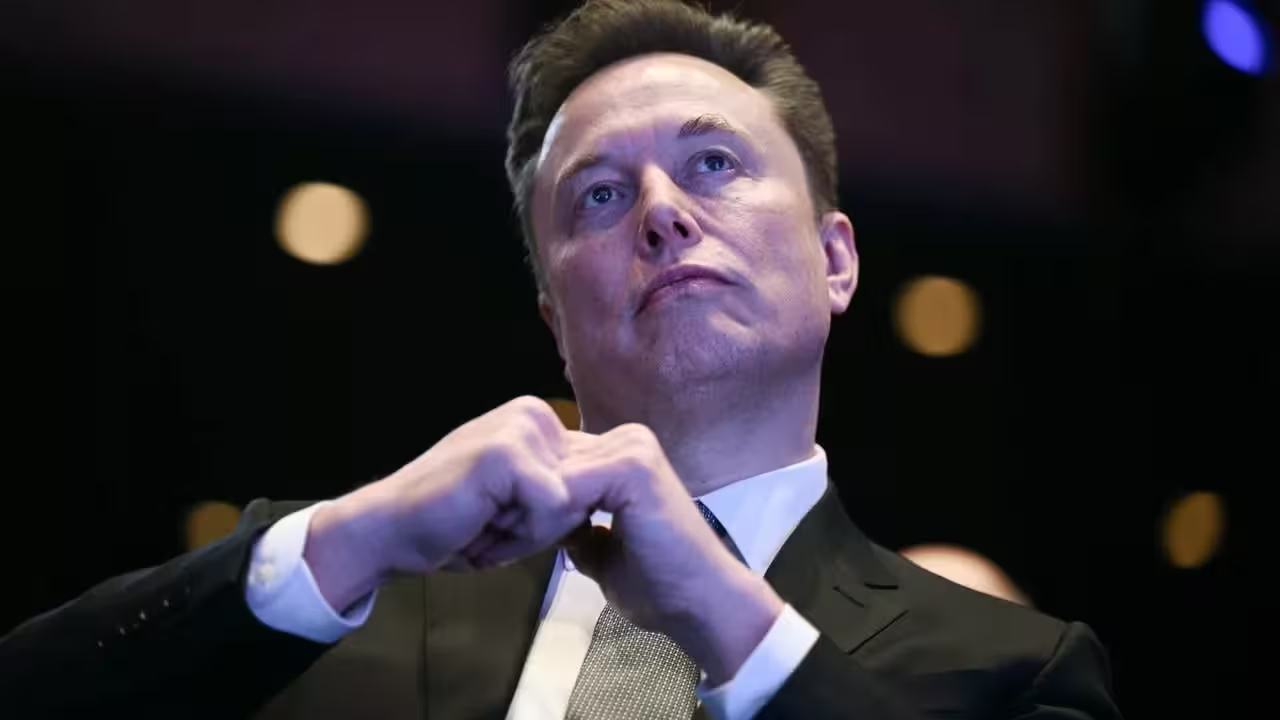
Vance and others in the current administration are exploring ways to avoid a future where wealth concentrates unchecked in a handful of companies. One idea on the table has been for the government to take equity stakes in pioneering AI firms and use those holdings to finance a kind of national wealth fund. If those companies grow into enterprises worth trillions of euros, the state would share in the gains and deploy proceeds to support public welfare.
That approach sits alongside Musk's simpler, more immediate suggestion: direct transfers from the Treasury. He reasons that keeping cash circulating with households will preserve demand for goods, prevent deep recessions, and soften the social impact of automation. Critics say this skirts broader questions about employment, meaningful work, and who controls the technologies reshaping society.
The debate raises a host of practical and philosophical questions. How would direct payments be sized and timed? Would they become permanent entitlements or emergency measures? Could state equity in AI companies create perverse incentives or political complications? And who decides when technology's gains should be redistributed?
There are trade-offs either way. Direct cash can be quick and visible, a blunt instrument to shore up demand. Equity stakes aim for long-term shared benefit, but they are complex to negotiate and manage. The conversation is also about politics as much as economics: cash in people's hands shifts power, not only prices.
Whatever the path chosen, the central fact is this: AI is not just a technical problem. It will force societies to rethink how wealth and work are distributed.
Expect more proposals, sharper rhetoric, and experimental policies. The coming decade will test whether democratic institutions can adapt fast enough to channel the gains of automation into widely shared prosperity, or whether wealth will remain concentrated in a shrinking corner of the economy.


“I love exploring gadgets, apps, and trends that redefine how we connect, work, and play in a digital world.”

Discussion
Leave a Comment
Comments (2)
Quick thought: cash could stop shocks short term. But it's a band aid, not a fix. State equity might be smarter, just messy to pull off
Is this even real? Free cash from Treasury sounds tempting but who sets the rules, who pays long term?? Govt programs get bloated, and state owning AI seems risky... if that’s real then