
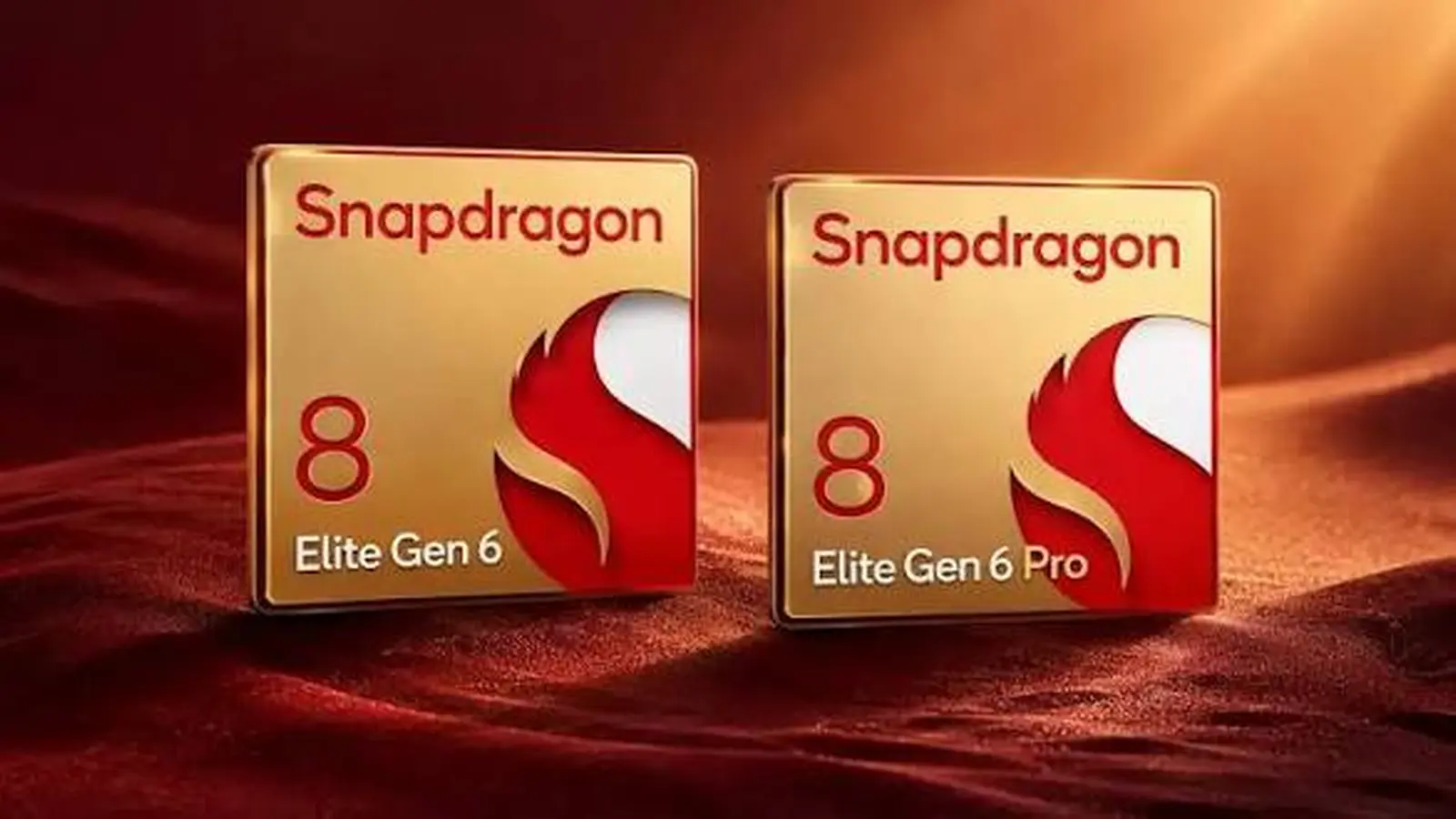
A single line on X set the rumor mill alight: When Two Changes the Game. Short. Suggestive. Enough to confirm what everyone had been whispering for months — Qualcomm plans to unveil not one, but two Snapdragon 8 Elite Gen 6 system-on-chips at its summit on September 22.
Why two matters
Think of it as a two-track approach to flagship silicon. One chip aims for the broad performance crown. The other pushes peak capabilities — higher sustained throughput, more neural horsepower, and likely a bigger billing for high-end camera and gaming features. Qualcomm has not spelled out model names, but the market is already treating the pair as Snapdragon 8 Elite Gen 6 and Snapdragon 8 Elite Gen 6 Pro.
There is a leak worth paying attention to. An AnTuTu 11 benchmark alleged to be from the Pro variant scored 4,835,412 points. That number, if real, signals a step change in raw throughput. It also aligns with expectations that both dies will be manufactured on a 2nm process node, which should bring efficiency gains alongside higher clock and NPU headroom.

Why now? Because the industry is pivoting toward on-device AI and more demanding workloads that mix sustained CPU performance with energy-aware NPU acceleration. A single top-tier SKU no longer cuts it for vendors trying to balance battery life, thermals, and peak performance across different device classes.
Qualcomm’s teaser leaned into that narrative, referencing an agentic AI era. That phrasing is deliberate. Device-makers want silicon that can host more autonomous AI features locally — from smarter assistants to live video processing — without parking everything in the cloud. Two variants let OEMs choose which trade-offs to make.
Competition will feel the heat. Apple and MediaTek have both tightened their game, and a dual-variant flagship lineup gives Qualcomm more flexibility to serve premium phones, foldables, and performance-focused handhelds. Expect the Pro to be aimed at power users and gaming phones, while the standard Elite will anchor flagship mainstream devices.
What to watch between now and September 22: official specs for cores, GPU configuration, NPU TOPS, modem features, and real-world power numbers. Also watch pricing and OEM pairings. Those two data points will determine how widely each chip lands in the market and whether this split approach becomes the new normal for flagship silicon.
The teaser removed any suspense about plurality. The rest — performance balances, battery trade-offs, and which phones get which chip — will be decided on stage at the Snapdragon Summit.

“I love exploring gadgets, apps, and trends that redefine how we connect, work, and play in a digital world.”

Discussion
Leave a Comment
Comments
No comments yet. Be the first.