
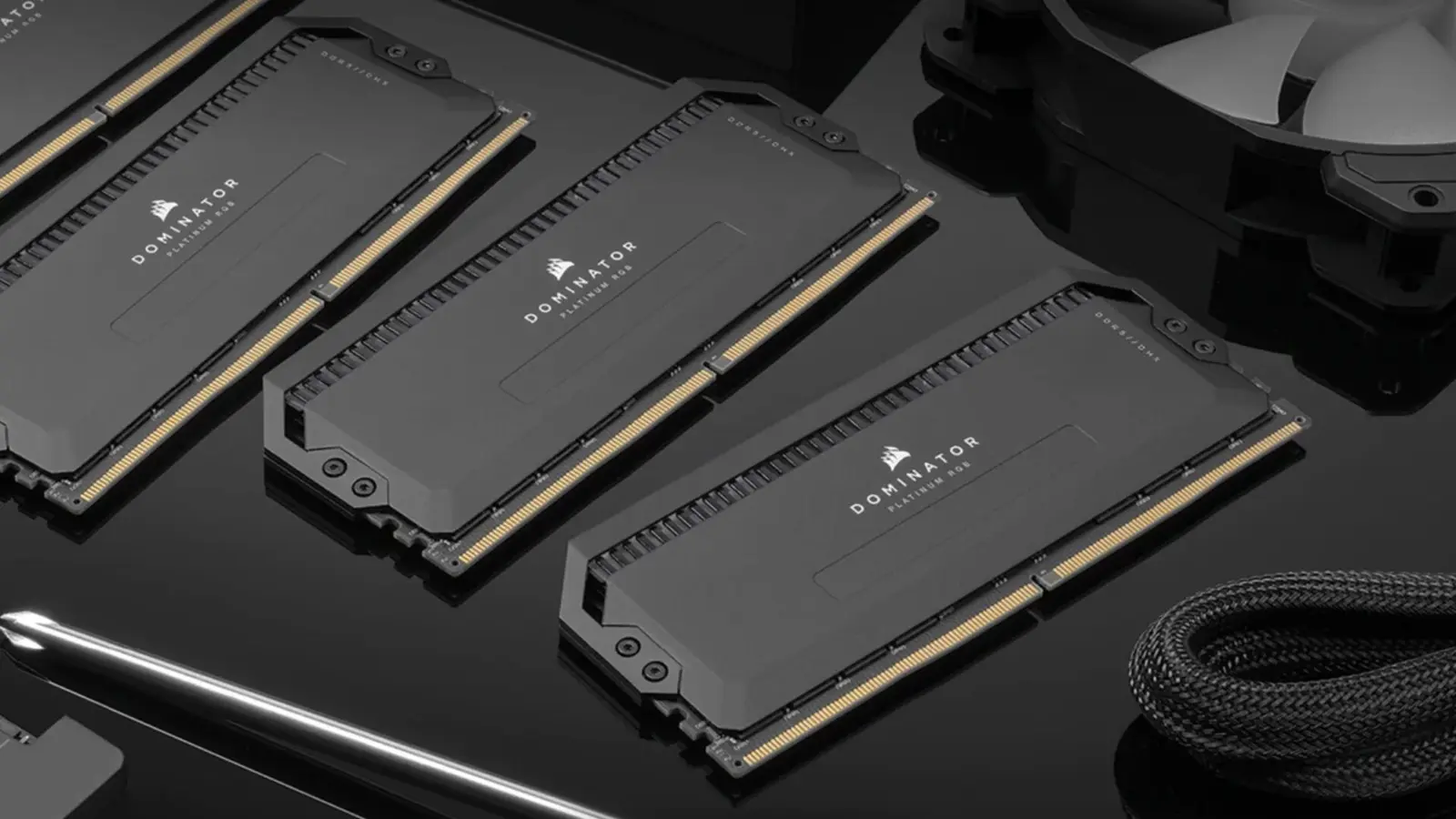
You wake up excited to buy a new laptop. Then you see the price and it stings. That sticker shock has a backstory: the memory market is shifting, and everyday devices are getting squeezed by a boom elsewhere.
When data centers become ravenous
Samsung, the largest memory maker, is asking customers for an average DRAM price increase of up to 20 percent in Q3 2026. That request lands after dramatic moves earlier this year: DRAM prices surged more than 90 percent in Q1 and jumped another 50 percent in Q2. SK Hynix and other suppliers are following suit. Shortages are the headline. But the reason is more revealing.
Manufacturers have shifted capacity toward high-bandwidth memory, the specialist chips that feed AI models in cloud data centers. Those chips pay better. They also take time and fabs to make. The result: less silicon left for the memory inside phones, laptops and PCs.
Who bears the burden? Consumers, mostly. Apple has quietly started reflecting higher chip costs in MacBook and iPhone pricing. Some PC makers are resurrecting older platforms like DDR4 to control costs. Others are trimming features or delaying upgrades. In short, the consumer market is a pressure valve for an industry pouring resources into AI.

Analysts aren’t optimistic. TrendForce and Lenovo suggest elevated prices could persist for years. Lenovo has even described the situation as a new normal, implying prices may not return to pre-2025 levels for a long time—possibly until 2030. That timeline matters for anyone budgeting a device upgrade.
Strategic bets are widening the gap. Samsung’s pivot to higher-margin AI memory is sharpening supply-side scarcity. Reports also indicate talks between Samsung and Anthropic on custom AI chips, which highlights how memory supply is increasingly driven by bespoke server demand rather than mass-market needs.
Short sentences now. Expect higher costs. Expect trade-offs. Gamers, power users and smartphone buyers will feel it first. Device makers may slow refresh cycles or offer lower-spec models to keep price tags attractive. Sales could soften as devices become less affordable, potentially denting smartphone volumes by a noticeable margin.
If you’re shopping in the second half of 2026, plan on paying more for RAM and devices that depend on it.
The market is being rewritten by AI server demand. That rewrite is intentional and profitable for vendors. It is not accidental. For shoppers, the lesson is practical: buy what you need now, watch component trends closely, and don’t expect a quick return to bargain memory prices.


“I love exploring gadgets, apps, and trends that redefine how we connect, work, and play in a digital world.”

Discussion
Leave a Comment
Comments
No comments yet. Be the first.