

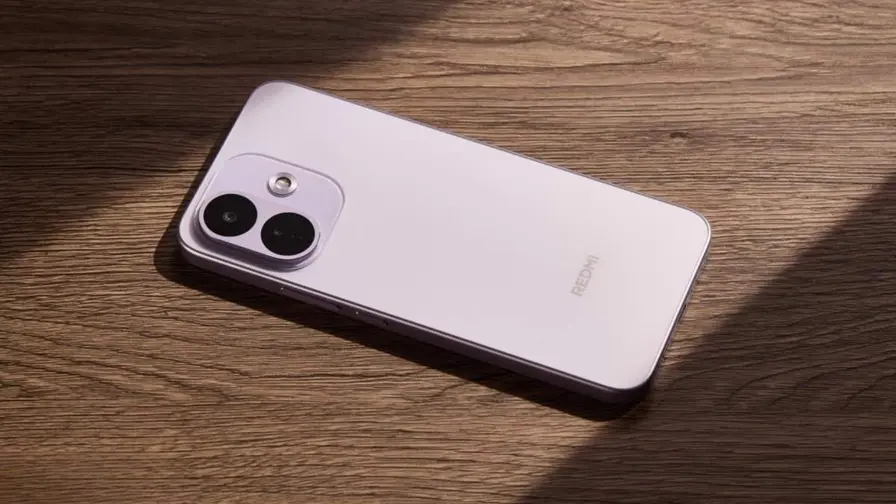
Xiaomi has quietly rewritten one page of the affordable flagship playbook. The new Redmi Note 17 Pro and Pro Max swap last generation's 200MP camera race for something else entirely: raw endurance and more efficient silicon. Short version? These phones last longer and charge faster, and they do it without feeling like a compromise.
Battery math: capacity meets charging speed
If battery capacity is the headline, the details are the subplot that actually matters. The Redmi Note 17 Pro ships with an 8,340mAh Silicon-Carbon pack, up from the 6,580mAh cell in the Note 15 Pro. Xiaomi claims 28 hours of continuous video playback. The phone supports 67W HyperCharge, which can refill to roughly half in about 34 minutes, and it also offers 22.5W reverse charging for topping other gadgets.
 |  |  |  |
The Pro Max doubles down. It carries a 9,210mAh Si/C battery with 16 percent silicon content and official runtimes like 37 hours of video playback, 19 hours of gaming, or 13 hours of continuous recording. To tame that capacity, Xiaomi fitted 100W HyperCharge on the Max, promising a day of use in about 20 minutes, plus 27W reverse charging.
Numbers on a spec sheet are one thing. Real-world endurance and thermal behavior are another. Still, between the larger cells and faster charging, Xiaomi is clearly betting that most buyers prefer all-day—and then some—battery over megapixel wars.
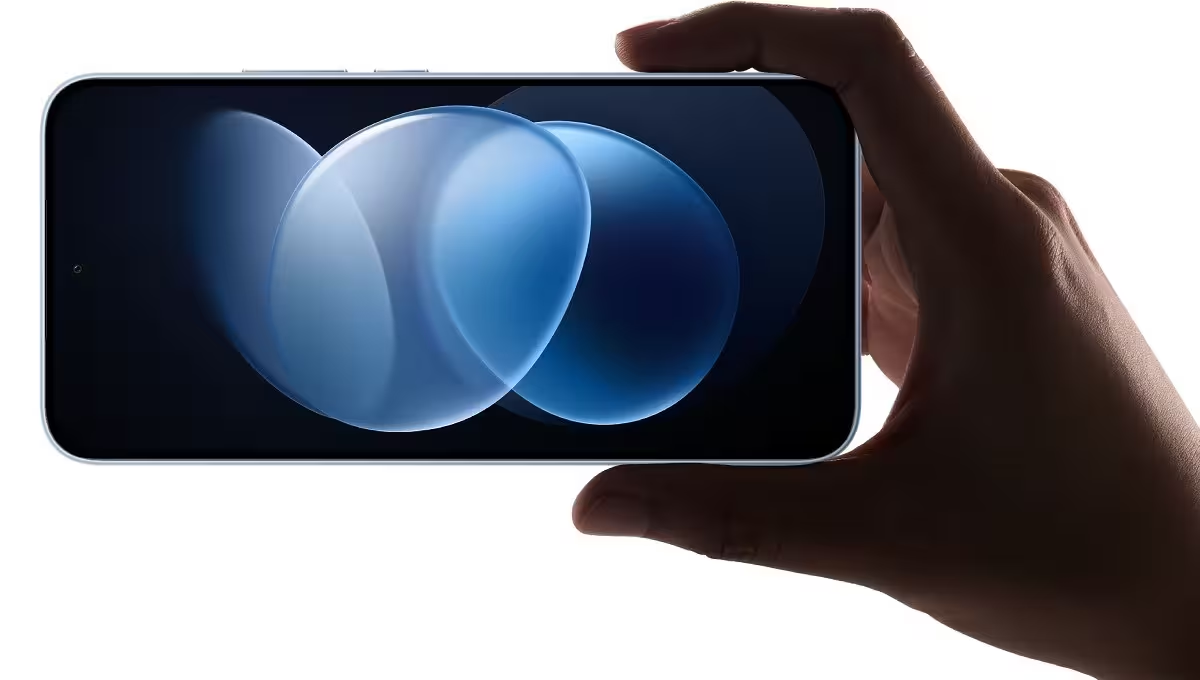
The two devices keep the same 6.83-inch OLED canvas. Think 1,280 by 2,772 pixels, a 120Hz refresh rate and 12-bit color rendering. Peak brightness hits up to 3,500 nits and Gorilla Glass Victus 2 protects the glass. In short: the display is flashy where it counts, and brighter than the last generation.
Under the hood, the Pro uses the Snapdragon 6s Gen 4, while the Pro Max gets the newer Snapdragon 6 Gen 5. Both stick to an octa-core pattern of four Cortex-A78 and four A55 cores, but the Gen 5 chips gain a slight clock and GPU edge, and the Max benefits from the TSMC 4nm process node rather than Samsung's 4nm node. Storage and memory options vary: the Pro comes in 6, 8 or 12GB of LPDDR4X RAM with up to 512GB storage, and most trims use UFS 3.1 except the 128GB version which retains UFS 2.2.
The Pro Max steps up to UFS 4.1 for 256GB and 512GB models, promising far higher sequential throughput—helpful when moving large video files or installing big apps—while its 128GB trim is still on UFS 2.2. RAM choices on the Max are 8GB or 12GB, also LPDDR4X.

Both phones are surprisingly similar in size and feel despite the different batteries: thickness sits at 8.6mm and weight is about 223g for the Pro and 225g for the Max. Xiaomi even claims improved water resistance: both carry IP66 and IP68 ratings, and Xiaomi says they can withstand up to 72 hours under 3 meters of water, compared to the shorter tolerances of the previous generation.
The audio and connectivity story is uneven. Stereo speakers with Dolby Atmos are standard, but the Max gets the louder tuning with a 400 percent boost versus the Pro's 300 percent claim. The Pro Max also adds Bluetooth 6.0 and Wi-Fi 6, while the Pro sticks with Bluetooth 5.1 and Wi-Fi 5. Both support NFC, dual-SIM with an eSIM option, and there is no 3.5mm jack.

Camera-wise Xiaomi trimmed the headline-grabbing 200MP sensors. Both 17 Pro models now center on 50MP main shooters with optical image stabilization plus an 8MP ultra-wide. The Pro Max gains the advantage through a larger sensor and optics: 0.8µm pixel size versus 0.6µm on the Pro, and a brighter f/1.5 aperture compared with f/1.8. Selfie cameras are 32MP on the Max with 4K video support, and 16MP on the regular Pro.
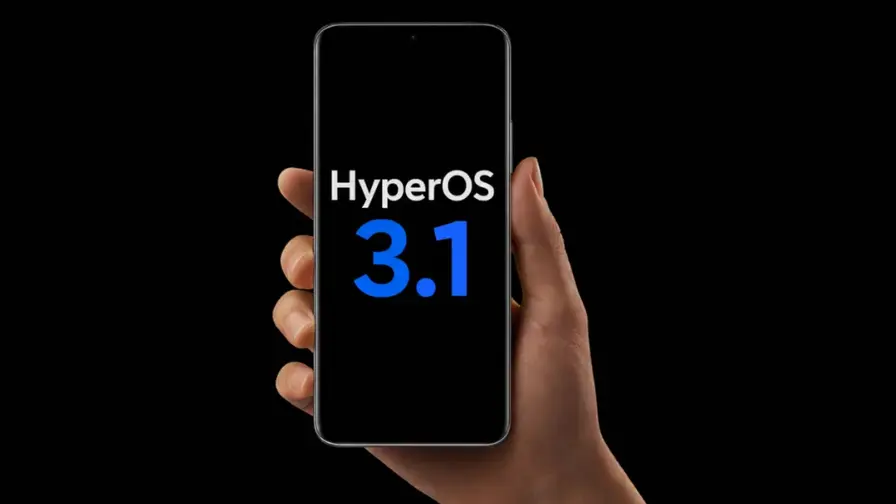
They ship with Xiaomi's HyperOS 3 and a long security promise: six years of updates. That makes these models interesting for buyers who value longevity and software care as much as raw specs.
Pricing starts at about €370 for the Redmi Note 17 Pro across five storage options and four finishes: Sky Blue, Satin Orange, Purple and Black. The Redmi Note 17 Pro Max begins around €460 with four storage tiers; it keeps Purple and Black and introduces Cloud Blush and Green as alternate colorways.

There are trade-offs. The Pro line abandons the megapixel spectacle and leans into battery engineering and pragmatic upgrades: better charging, faster mid-range silicon, brighter OLEDs, and more durable hardware. For many buyers that will beat chasing huge camera numbers. For others who prioritize zoom or ultra-high-res shots, this generation may feel like the one that got away.
Either way, Xiaomi is signaling a shift: endurance and efficiency over headline camera counts. It is a neat reminder that progress in smartphones can be as much about quiet engineering as about flashy megapixels.

“I love exploring gadgets, apps, and trends that redefine how we connect, work, and play in a digital world.”

Discussion
Leave a Comment
Comments (2)
Interesting move but is 6 years of updates really global? curious about thermal throttling with those huge Si/C cells, and UFS 2.2 on base trims feels cheap. hmm..
wow didn't expect xiaomi to ditch the 200MP flex for battery... actually kinda hyped, 9,210mAh and 100W? if that's real, that's wild. how big is the phone tho, feels heavy?